


ASEAN-India Economic Cooperation Meeting

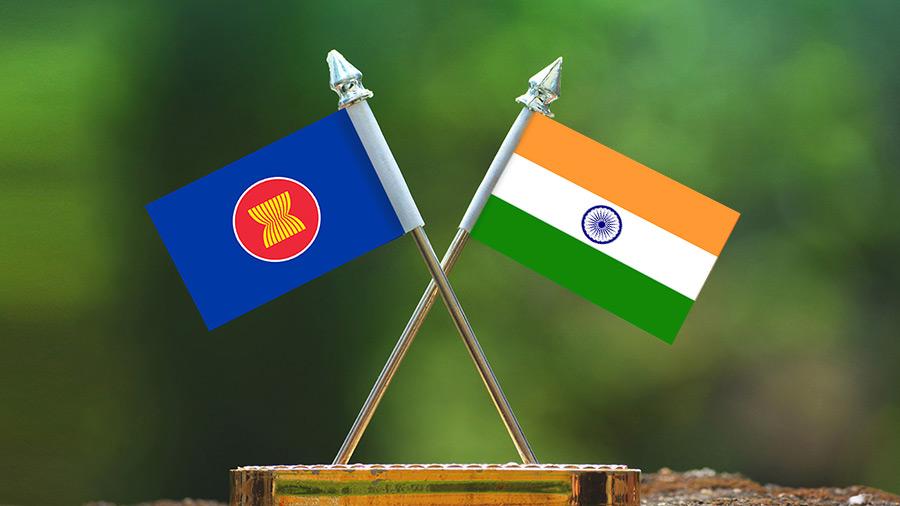
ASEAN-India Economic Cooperation received fresh attention as India participated in two important regional economic meetings in Manila, Philippines, from September 22 to 24, 2026. India joined the 14th East Asia Summit Economic Ministers’ Meeting and the 23rd ASEAN-India Economic Ministers Consultation to discuss trade, investment, regional economic growth and future cooperation.
Thank you for reading this post, don't forget to subscribe!The Indian delegation was led by Nitin Kumar Yadav, Additional Secretary in the Department of Commerce. The meetings brought together economic representatives from ASEAN countries and East Asia Summit partners, including India, Australia, China, Japan, New Zealand, South Korea, Russia and the United States.
East Asia Summit Economic Ministers’ Meeting
The 14th East Asia Summit Economic Ministers’ Meeting provided a platform for countries in the wider East Asian region to discuss economic developments and cooperation. The East Asia Summit itself was established in 2005 as a leaders-led forum, while the economic ministers’ meeting supports wider discussions on regional economic issues.
The meeting focused on the changing economic environment in Asia and the need for stronger cooperation in areas such as trade, investment, energy security and industrial development. Countries also discussed the regional and global economic outlook and the expected direction of trade and investment flows in the coming years.
ASEAN currently has 11 member states: Brunei, Cambodia, Indonesia, Laos, Malaysia, Myanmar, the Philippines, Singapore, Thailand, Timor-Leste and Viet Nam. The group plays an important role in regional trade and economic cooperation in Southeast Asia.
ASEAN-India Economic Cooperation
ASEAN-India Economic Cooperation has developed over several decades. India’s dialogue partnership with ASEAN began in 1992, and relations have gradually expanded to include trade, investment, connectivity and other areas of economic cooperation.
The ASEAN-India Free Trade Area provides a framework for economic engagement between India and ASEAN. It covers trade in goods, services and investment. One of the major agreements under this framework is the ASEAN-India Trade in Goods Agreement, known as AITIGA.
AITIGA came into force in 2010 and provides rules related to tariff reduction and trade facilitation. The agreement has remained an important part of India’s trade relationship with the ASEAN region.
India and ASEAN have continued discussions on improving economic ties as global trade patterns change. Issues such as supply chains, market access, investment and regional connectivity have become increasingly important for businesses and governments.
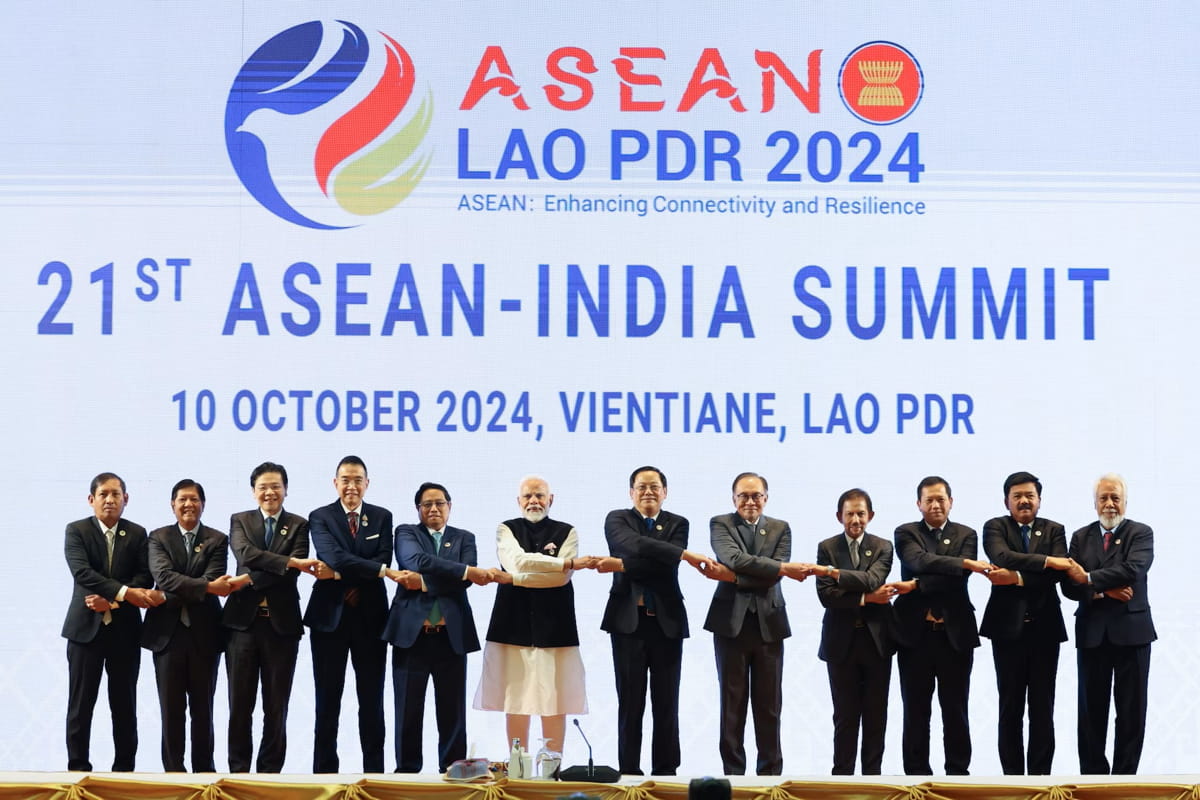
India-ASEAN Trade Reaches $128.38 Billion
Trade remains a major part of ASEAN-India Economic Cooperation. According to the figures discussed around the meetings, India’s bilateral trade with ASEAN reached USD 128.38 billion in 2025-26.
ASEAN accounted for 10.55% of India’s total global trade during the period. The figures show the importance of Southeast Asian markets for Indian businesses and the wider Indian economy.
Preliminary ASEAN statistics showed two-way trade between India and ASEAN at USD 114.1 billion in 2025. Indian foreign direct investment inflows into ASEAN were reported at USD 7.1 billion during the same year.
These trade and investment figures highlight the close economic links between India and Southeast Asian countries. Businesses in sectors such as manufacturing, services, technology and other industries can benefit from stronger regional economic connections.
Focus on Regional Economic Growth
The meetings also looked at the economic outlook for 2027. The ASEAN Secretariat briefed participants on developments affecting regional and global trade and investment.
The discussions came at a time when Asian economies are dealing with changes in global supply chains, investment patterns, energy requirements and international trade. Regional cooperation is therefore becoming important for maintaining economic growth and improving business connections.
The Economic Research Institute for ASEAN and East Asia, or ERIA, also presented a paper titled “Powering the EAS Region’s Next Wave of Growth: An Integrated Approach to Energy Security and Industrial Clusters.”
The paper focused on energy security and industrial clusters as important areas for future growth. Reliable energy supplies and stronger industrial networks can support manufacturing, investment and economic development across the East Asia Summit region.
India’s Business Engagements in the Philippines
India’s participation was not limited to government-level discussions. On September 22, the Indian delegation also met Indian businesses operating in the Philippines.
The interaction provided an opportunity to understand the experiences and concerns of Indian companies working in the Philippine market. Business discussions are an important part of ASEAN-India Economic Cooperation because companies play a direct role in increasing trade and investment between countries.
The Indian delegation also participated in the ASEAN-India Business Forum 2026 on September 23. The forum brought business and economic stakeholders together to discuss opportunities connected with India-ASEAN relations.
Such business-level engagement can help companies explore new markets, partnerships and investment opportunities. It also supports stronger connections between the private sectors of India and ASEAN countries.
India and ASEAN Strengthen Regional Economic Links
India’s participation in the Manila meetings reflects the continuing importance of its economic relationship with ASEAN and the wider East Asian region. Trade, investment, energy security, industrial development and business cooperation are becoming important areas of regional economic discussions.
With India-ASEAN trade already reaching a significant level, future discussions are expected to remain focused on improving market access, strengthening supply chains and creating more opportunities for businesses.
The East Asia Summit Economic Ministers’ Meeting and the ASEAN-India Economic Ministers Consultation therefore provided platforms for India and its regional partners to discuss economic challenges and opportunities. ASEAN-India Economic Cooperation continues to cover a wide range of areas, from trade agreements and investment to business engagement and regional growth.