



Gollala Gudi Gets National Status

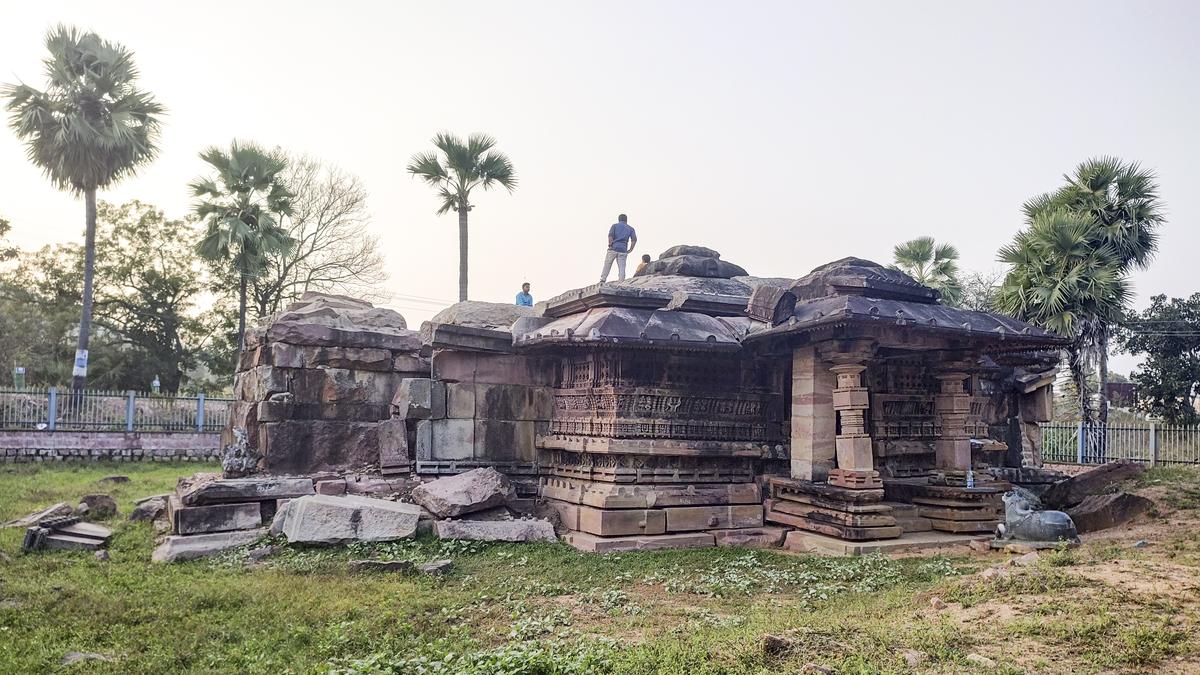
Gollala Gudi Temple in Telangana has been declared a monument of national importance by the Government of India. The Union Ministry of Culture and Tourism issued a gazette notification on September 1, 2026, giving the historic temple greater legal protection and bringing it under the conservation framework for nationally important monuments.
The temple, also known as Gollalagudi Temple or Gollala Gudi, is located in Palampet village in Mulugu district. With this declaration, the number of monuments protected by the Archaeological Survey of India (ASI) in Telangana has increased to 10. The move is expected to support the conservation of the temple and protect its historic architectural features for the future.

Gollala Gudi and Kakatiya Architecture
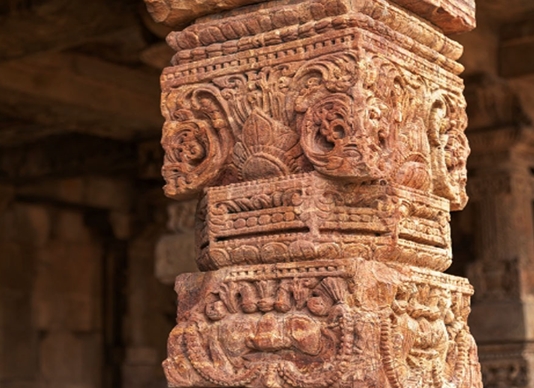
Gollala Gudi is associated with the Kakatiya period, which played an important role in the development of temple architecture in present-day Telangana. The temple is broadly dated to the 12th–13th centuries CE, although its exact construction date and original religious dedication require further archaeological and epigraphic research.
The temple is identified as a Trikutalaya, meaning a temple with three sanctums. Its main structure includes an east-facing mandapa connected with three garbhagrihas, or sanctum areas.
The three-sanctum design is an important feature of the temple and reflects architectural traditions that developed in the Deccan during the medieval period. The structure adds to the wider collection of Kakatiya-era heritage sites found across Telangana.
National Monument Protection
The declaration of Gollala Gudi as a monument of national importance means that the site will receive protection under the Ancient Monuments and Archaeological Sites and Remains Act, 1958.
Under this legal framework, nationally important monuments are protected from activities that could damage or alter their historical character. The Archaeological Survey of India is responsible for the conservation and maintenance of such protected monuments.
The ASI also regulates activities around protected heritage sites and works to ensure that important historical structures are preserved while allowing controlled public access.
ASI to Begin Conservation Work
Following the new status, the Archaeological Survey of India, Hyderabad Circle, is expected to take charge of the site and begin conservation-related activities.
The initial plans include minor repairs and measures to address waterlogging around the temple. A proper pathway for visitors is also planned to improve access to the site while reducing the possibility of damage to the surrounding area.
Waterlogging can be a serious concern for old stone structures because prolonged exposure to moisture can affect foundations, walls and other architectural elements. Conservation work at Gollala Gudi will therefore focus on protecting the existing structure while maintaining its historical character.
Notification Issued Earlier in 2026
The national importance process for Gollala Gudi began earlier this year. A preliminary notification was issued on March 7, 2026, covering Gollala Gudi and a nearby Shiva temple.
The preliminary notification allowed members of the public to submit objections and feedback during a two-month period. After the required process, the Union government issued the final gazette notification on September 1.
The process shows how heritage structures can move from regional recognition to formal national protection through a legal and administrative procedure.
Telangana’s Growing Heritage Protection
The addition of Gollala Gudi increases the number of ASI-protected monuments in Telangana to 10. The state has a large collection of temples, forts, inscriptions and other structures connected with different periods of Deccan history.
Kakatiya-era monuments are particularly important to Telangana’s cultural heritage. Structures such as the Ramappa Temple have already received international recognition for their architectural value.
The protection of additional Kakatiya-era sites can help researchers understand the development of temple design, construction methods and cultural practices in medieval Telangana.
Importance of the Temple’s Architecture
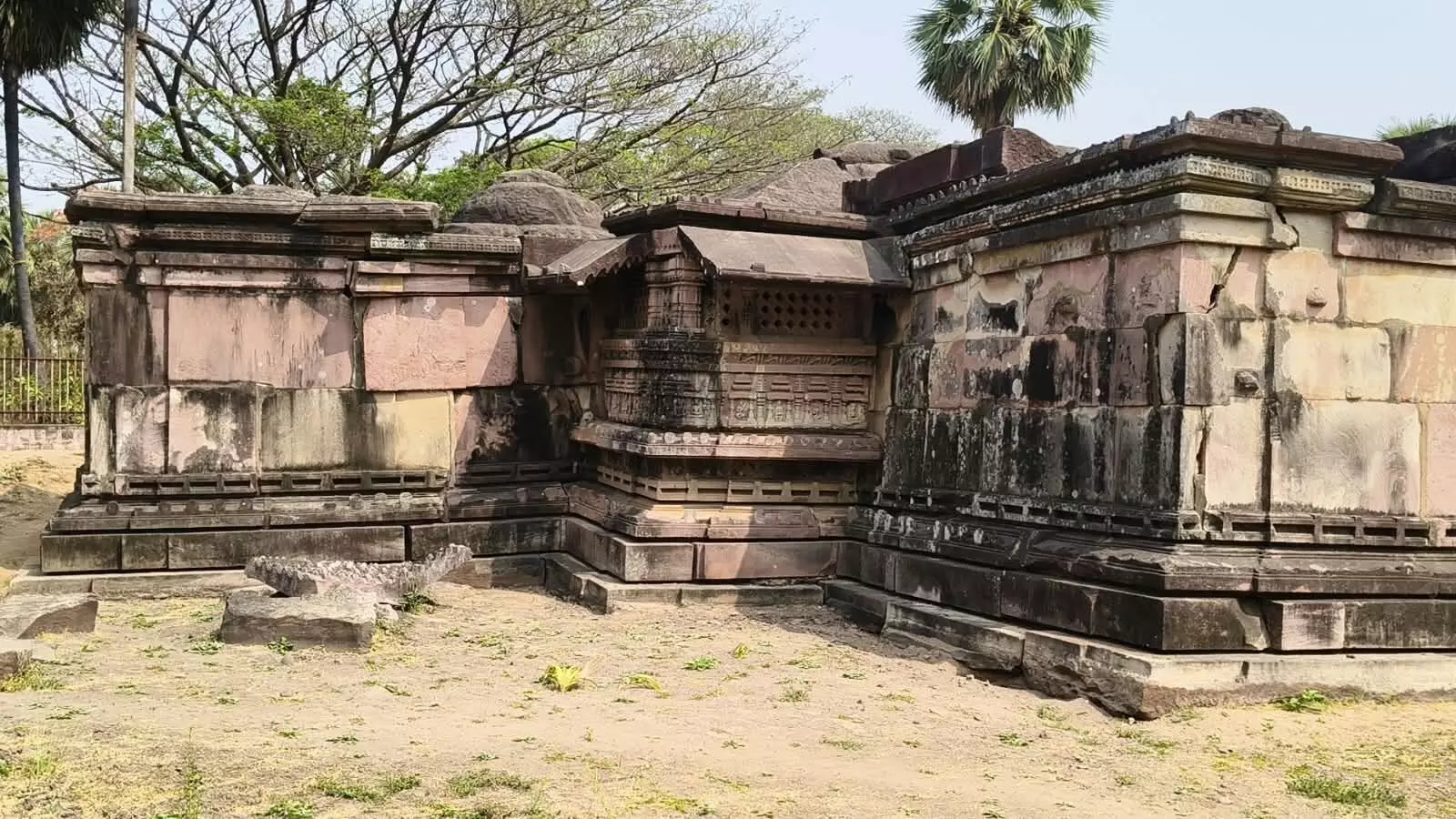
The architectural design of Gollala Gudi makes it significant beyond its religious importance. Its Trikutalaya layout provides an example of the architectural styles used during the Kakatiya period.
The mandapa and three sanctums form the central architectural arrangement of the temple. Detailed study of its structure, inscriptions and construction techniques may provide more information about the period in which it was built.
Archaeologists and conservation experts can also use such sites to compare different Kakatiya-era structures across Telangana and neighbouring regions.
Better Protection for a Historic Site
The national monument status gives Gollala Gudi a stronger conservation framework at a time when many historic structures face challenges from weather, water damage, vegetation and changing land use around heritage areas.
The involvement of the ASI is expected to bring technical conservation expertise to the site. Planned improvements such as drainage measures and visitor pathways can help protect the monument while making it easier for people to access the historic structure.
The recognition also places Gollala Gudi within India’s wider network of nationally protected heritage sites, giving greater attention to an important example of Telangana’s medieval architectural heritage.