



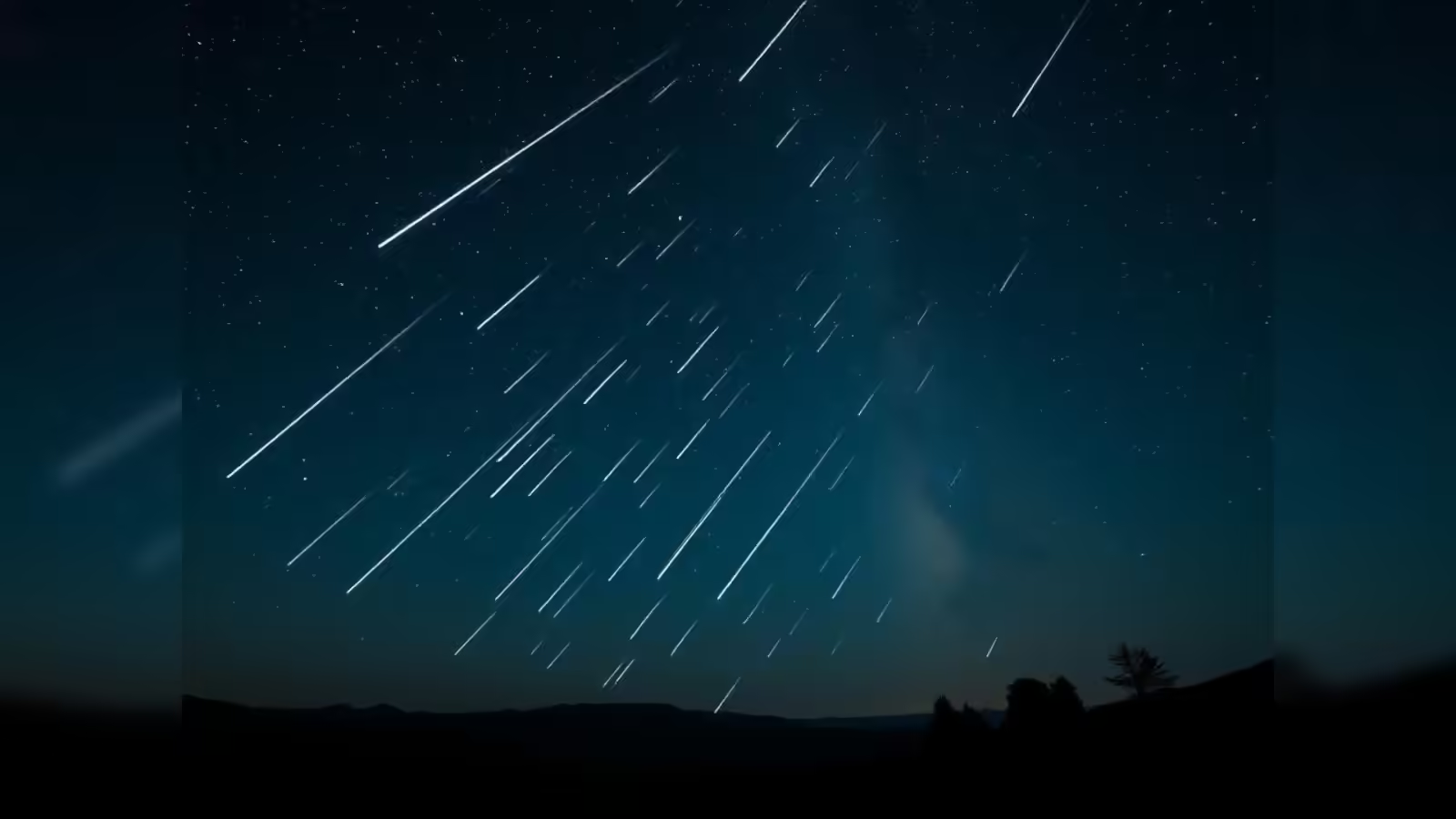
Perseid Meteor Shower Peaks in 2026

Perseid Meteor Shower reached its peak on the night of August 12-13, 2026, giving skywatchers across the Northern Hemisphere a chance to see bright meteors streak across the night sky. This year’s event was especially interesting because the peak occurred close to a New Moon, meaning there was very little moonlight to interfere with observations. The Perseids are active every year from around July 17 to August 24 and are one of the most popular meteor showers of the year.
Thank you for reading this post, don't forget to subscribe!Why the Perseid Meteor Shower Is Special in 2026
The 2026 Perseid Meteor Shower offered particularly favourable conditions for people looking at the night sky. The Moon reached its New Moon phase on August 12, leaving the sky much darker than it would be during a bright lunar phase. Dark skies make it easier to see faint meteors, especially from places away from city lights.
The Perseids are best viewed from the Northern Hemisphere. During the peak, the number of visible meteors depends on location, weather, light pollution and the position of the radiant. The International Meteor Organization expected lower-than-usual activity in 2026, with a zenithal hourly rate of roughly 30 to 50 meteors under ideal conditions, rather than the often-quoted rate of around 100.
The Comet Behind the Meteor Shower
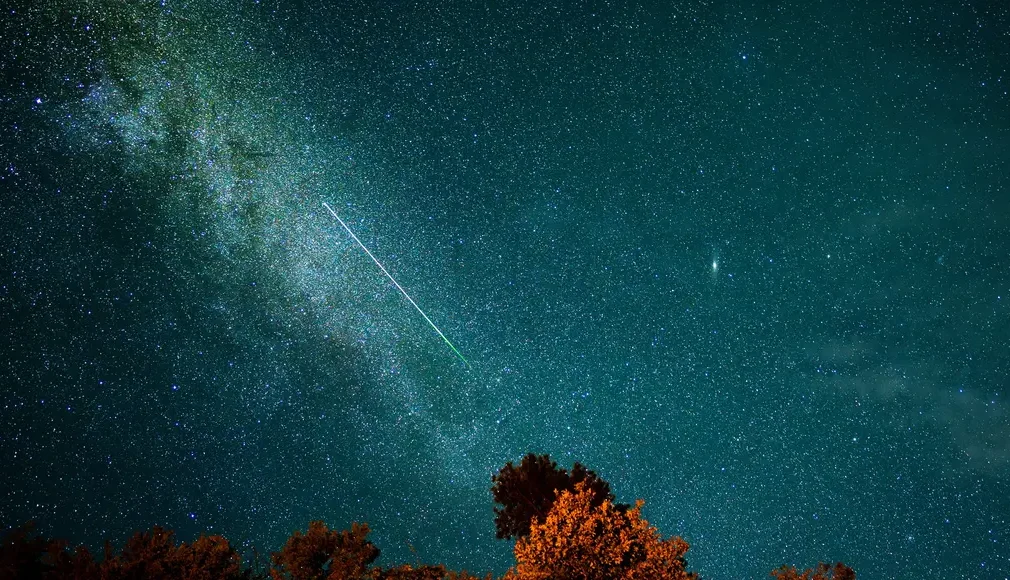
The Perseid Meteor Shower is linked to Comet 109P/Swift-Tuttle, a large periodic comet that travels around the Sun. As the comet moves through space, it leaves behind tiny particles of dust and debris along its orbital path.
Every year, Earth passes through this debris stream. When the tiny particles enter Earth’s atmosphere at very high speeds, they heat up and glow. These bright streaks are what people call meteors or “shooting stars.” The particles are generally very small, but their high speed makes them visible for a brief moment.
The shower gets its name from Perseus, the constellation from which the meteors appear to come. This point in the sky is called the radiant. However, viewers do not need to look directly at Perseus because meteors can appear across different parts of the sky.
Best Time to Watch the Perseids
The Perseids can be seen during the night, but the best opportunities generally come after midnight and towards dawn. This is because the radiant rises higher in the sky as the night progresses. In dark locations, observers can simply lie back and watch a wide area of the sky rather than focusing on one small region.
For people trying to observe the shower, moving away from bright city lights can make a major difference. It can also take around 15 to 20 minutes for human eyes to adjust properly to darkness. Avoiding bright phone screens during this period can help preserve night vision.
Perseids and Other Major Sky Events
The 2026 Perseid peak came during a particularly active period for skywatchers. The same New Moon that created dark conditions for the meteor shower was also associated with a total solar eclipse on August 12. This created an unusual combination of major astronomical events within the same period.
The Perseids continue after their peak, but the number of meteors normally falls as the shower moves towards the end of its active period on August 24. Therefore, the nights around August 12-13 offered the strongest opportunity for observing the annual display.
How to Watch the Meteor Shower
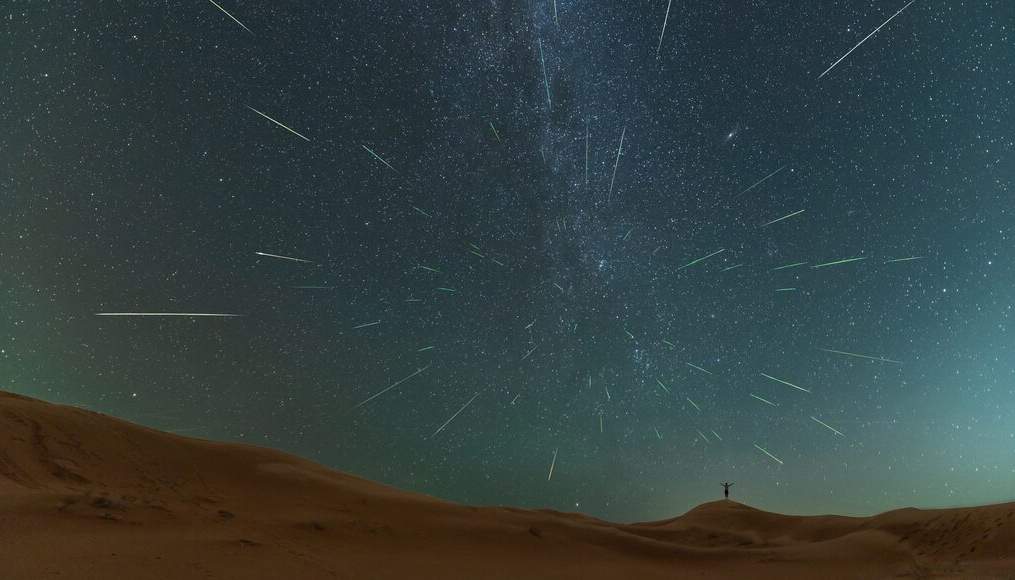
Watching the Perseid Meteor Shower does not require a telescope or special equipment. A clear sky, a dark location and patience are usually enough. A comfortable chair or blanket can make long periods of skywatching easier.
Weather conditions are also important. Clouds can completely block the view even when meteor activity is high. People should choose an open location with a wide view of the sky and stay away from artificial lights as much as possible.
The Perseids are also a reminder that spectacular astronomical events can be observed without expensive equipment. As Earth continues its yearly journey around the Sun, it repeatedly crosses the dusty path left by Comet Swift-Tuttle, creating this familiar August display.