



Blinkit Mumbai Store Faces FDA Action

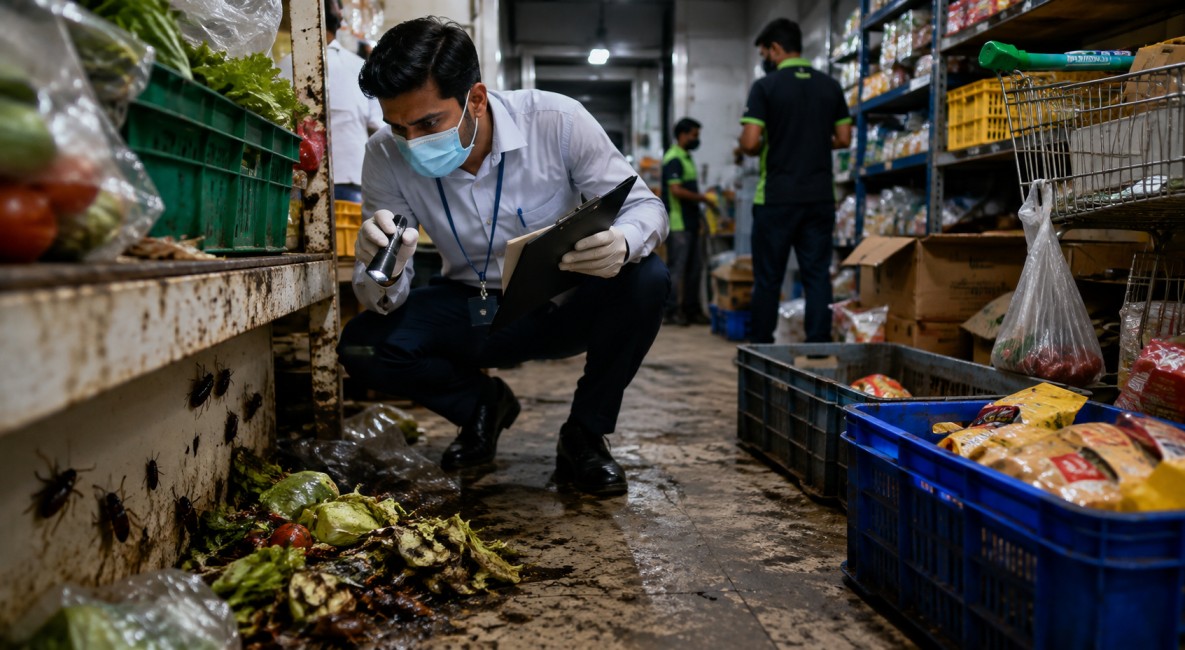
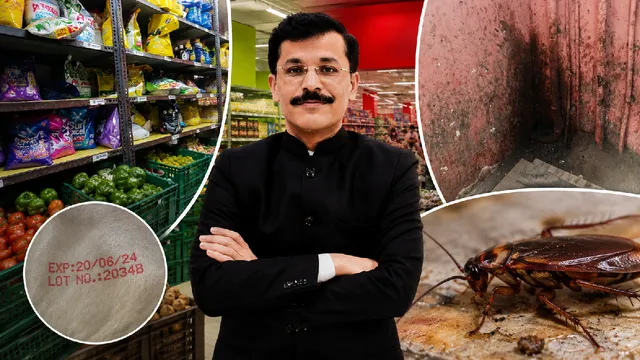
Blinkit Mumbai Store has come under regulatory action after Maharashtra’s Food and Drug Administration (FDA) found serious hygiene and food safety violations during an inspection at a dark store in Malad West, Mumbai. Officials reported a heavy cockroach infestation, expired food products and poor cleanliness at the facility.
Thank you for reading this post, don't forget to subscribe!Following the inspection, the food licence of Blink Commerce Private Limited, the company operating Blinkit, was suspended for the inspected facility. The action has raised fresh questions about food storage and hygiene standards at quick-commerce warehouses, where groceries and other food products are stored before being delivered to customers.
The regulatory action is limited to the specific Malad West facility inspected by officials. It does not mean that Blinkit’s entire food business or all of its dark stores across India have been suspended.
FDA inspection finds serious hygiene problems Blinkit Mumbai Store
The inspection was carried out on August 7, 2026, at Blinkit’s facility on Ramchandra Lane in Malad West. During the inspection, officials found conditions that they considered unsuitable for a food-handling facility.
One of the major findings was a heavy presence of cockroaches. Officials reportedly found cockroaches around stored fruits and vegetables. Such pests can create food contamination risks because they can come into contact with food, storage surfaces and equipment.
The inspection team also found expired food stock inside the facility. Expired products can pose safety and quality concerns, particularly when they are stored alongside products intended for sale and delivery.
The condition of the premises was another major concern. Officials described the facility as extremely unclean, indicating that basic sanitation and housekeeping requirements were not being properly maintained.
Why hygiene matters in quick-commerce stores
Quick-commerce companies have changed the way consumers purchase groceries and food products. Customers can now order vegetables, packaged foods, dairy products, snacks and other household items through mobile applications and receive them within a short period.
This model depends on a network of small warehouses, commonly called dark stores. Unlike traditional supermarkets, these facilities generally do not operate as normal retail shops where customers walk in. They are designed mainly for storing products, processing online orders and handing them over to delivery workers.
Because food moves through these facilities quickly, proper storage, cleaning, pest control and stock monitoring are important. A failure in any of these areas can affect food quality and potentially expose consumers to health risks.
The Mumbai inspection highlights the need for quick-commerce operators to maintain food safety standards throughout the supply chain, from receiving products to storing, picking and delivering them.
Expired food stock raises concern
The discovery of expired food products was another important part of the FDA’s inspection. Food businesses are expected to maintain systems that identify products approaching or passing their expiry dates.
Digital inventory systems can help companies monitor large quantities of products across warehouses. However, technology alone cannot replace physical inspections and regular checks by trained staff.
Products with different expiry dates also need to be managed carefully. Older stock generally needs to be identified and removed before newer stock is placed for sale. If such systems fail, expired products may remain in storage and could potentially be picked for customer orders.
The FDA’s action therefore brings attention to the importance of inventory management along with physical cleanliness.
Cockroach infestation and contamination risk
The presence of cockroaches around stored fruits and vegetables was one of the most serious findings reported from the Malad West facility.
Fresh produce is particularly important from a hygiene perspective because fruits and vegetables are often handled directly by consumers. Although many products are washed or cleaned before consumption, contamination can occur during storage and handling.
Effective pest control normally involves regular monitoring, proper waste management, sealing possible entry points and maintaining clean storage areas. Food facilities also need systems to prevent pests from reaching products.
The inspection findings suggest that pest-control and sanitation measures at the facility required immediate attention.
Action limited to one Blinkit facility
The regulatory action should be understood in its proper scope. Maharashtra’s FDA suspended the food licence associated with the inspected Malad West dark store.
The action does not represent a blanket suspension of Blinkit’s food operations across Mumbai or India. Other Blinkit facilities are not automatically covered by the action simply because one location has been found to have violations.
This distinction is important because quick-commerce companies operate large networks of dark stores in different cities and neighbourhoods. Food safety authorities generally inspect individual licensed establishments and take action based on the conditions found at those premises.
The concerned facility will need to meet the required food safety and hygiene standards before normal food operations can resume, subject to regulatory procedures.
Maharashtra steps up food safety checks
The incident comes as food safety remains an important public concern in Maharashtra. The state FDA regularly conducts inspections and takes action against establishments where food safety requirements are not followed.
The department’s work covers a wide range of food businesses, including restaurants, manufacturers, retailers, warehouses and other establishments involved in the food supply chain.
Recent food safety incidents involving other businesses have also drawn attention to the importance of regular inspections. In a separate case, the FDA reportedly inspected a Reliance store in Buldhana district after a complaint alleged the presence of live insects in kaju katli.
Such inspections are intended to identify problems before unsafe food reaches consumers.
Growing scrutiny of quick-commerce platforms
Quick-commerce has become an important part of India’s rapidly changing retail sector. Platforms compete on delivery speed, product availability and convenience. The expansion has also created a growing network of local warehouses located close to residential areas.
With this expansion comes greater responsibility for maintaining food safety.
Dark stores may handle hundreds or thousands of products, including fresh produce, packaged foods and temperature-sensitive goods. Maintaining appropriate storage conditions can be challenging when the number of products and customer orders increases rapidly.
Food safety authorities and consumers are therefore paying greater attention to how these facilities manage cleanliness, pest control, expiry dates and product storage.
Consumer awareness also matters
The Mumbai case also highlights the role consumers can play in food safety. Customers who receive expired, damaged or visibly contaminated food can report the issue through the appropriate company or food safety channels.
Consumers should also check expiry dates, packaging condition and product quality when receiving food deliveries. Fresh products should be examined for signs of spoilage or contamination.
For companies, complaints can provide an early warning about problems within individual stores. For regulators, complaints can help identify facilities that may require inspection.

Food safety and the future of online grocery delivery
India’s online grocery market is continuing to grow as consumers increasingly use mobile applications for everyday shopping. Quick-commerce platforms are expanding beyond basic groceries into medicines, household products, personal care items and other categories.
For food products, however, speed cannot come at the cost of safety.
The FDA’s findings at the Malad West facility underline the importance of maintaining basic food safety practices even in highly technology-driven businesses. Automated inventory systems, rapid delivery networks and digital ordering can improve efficiency, but physical hygiene, pest control, stock checks and proper storage remain essential.
The suspension of the Blinkit food licence at the inspected facility puts the focus on how quick-commerce companies manage food safety behind the scenes, where customers normally cannot see the storage conditions before their orders arrive.