


Lithium Gallium Pact Signed in Andhra Pradesh

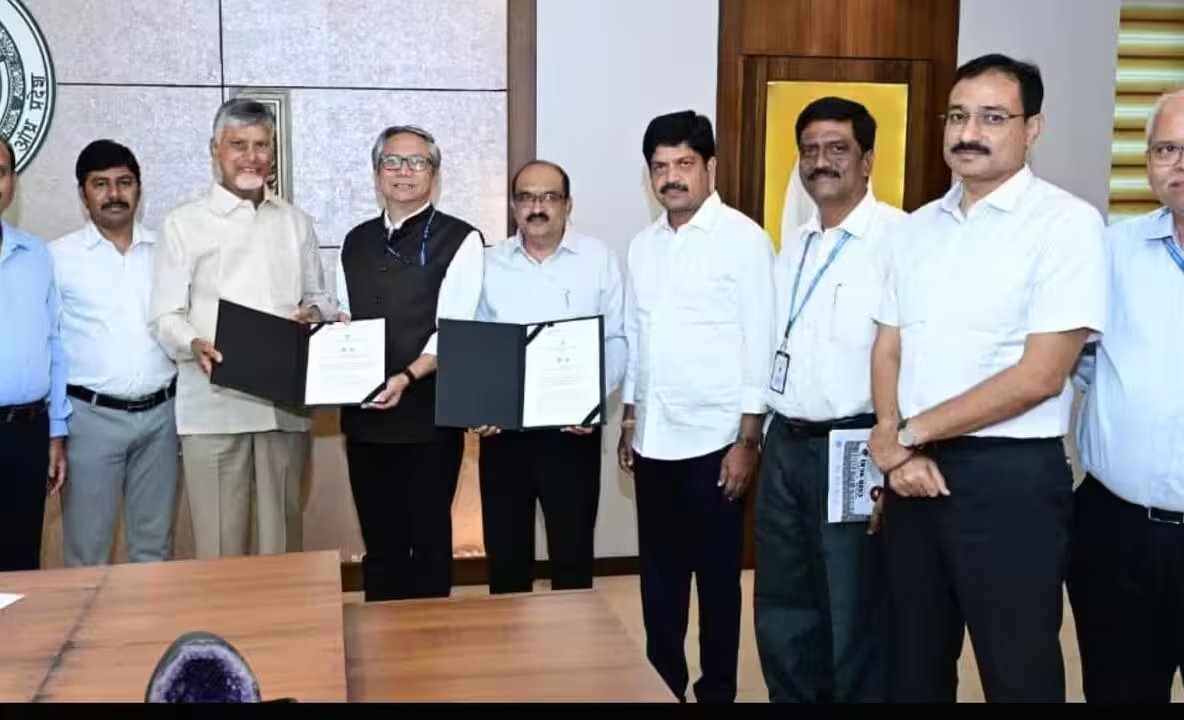
Lithium Gallium Pact has been signed in Andhra Pradesh to explore deposits of two important critical minerals in the Kadapa Basin. The Andhra Pradesh Department of Mines and Geology signed a Memorandum of Understanding with the CSIR-National Geophysical Research Institute (CSIR-NGRI) on 12 August 2026.
Thank you for reading this post, don't forget to subscribe!The agreement focuses on geological exploration for lithium and gallium in the Vempalle and Thummalapalle areas of the Kadapa Basin. The MoU was signed at the State Secretariat in Vijayawada in the presence of Andhra Pradesh Chief Minister N. Chandrababu Naidu and Mines Minister Kollu Ravindra.
The project comes at a time when countries are paying greater attention to critical minerals because of their importance in batteries, electronics, renewable energy and advanced manufacturing.
Why Lithium and Gallium Matter
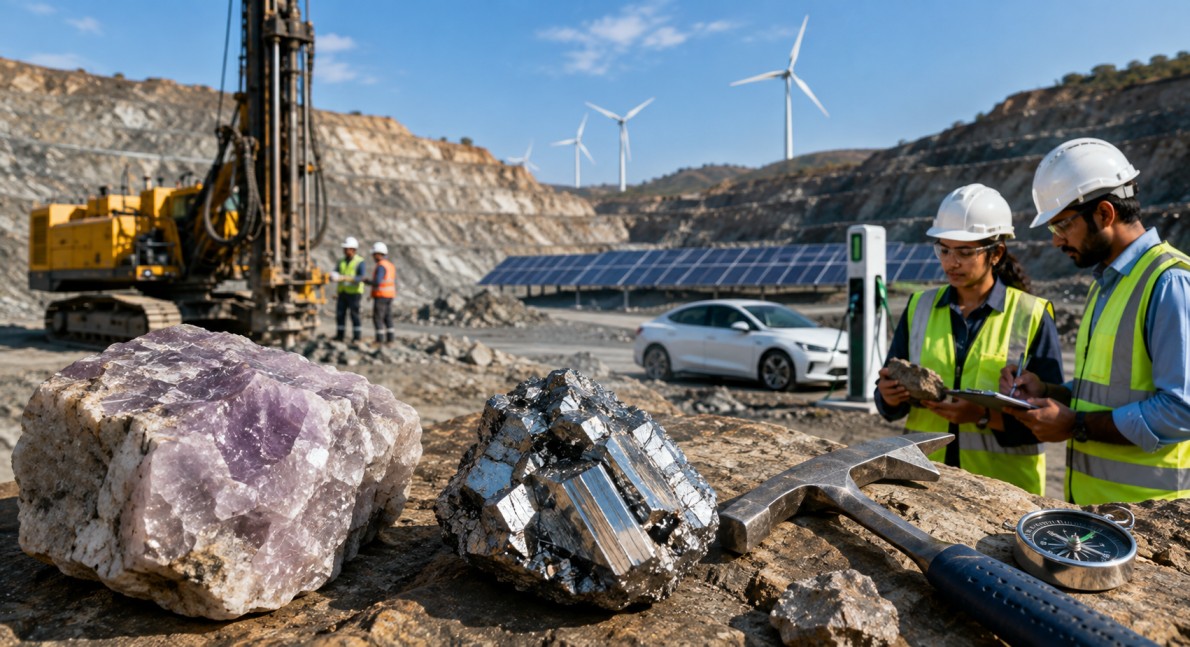
Lithium is one of the most important materials used in modern rechargeable batteries. It is widely associated with electric vehicles, energy-storage systems and portable electronic devices. It is also used in ceramics, lubricants and certain metal alloys.
Gallium has an important role in the electronics and semiconductor industries. It is used in technologies such as light-emitting diodes, integrated circuits and some solar applications.
Both minerals are considered strategically important because global supply chains can be concentrated in a limited number of countries. Finding and developing domestic sources can therefore help India strengthen its mineral security and reduce dependence on imports.
Exploration in the Kadapa Basin
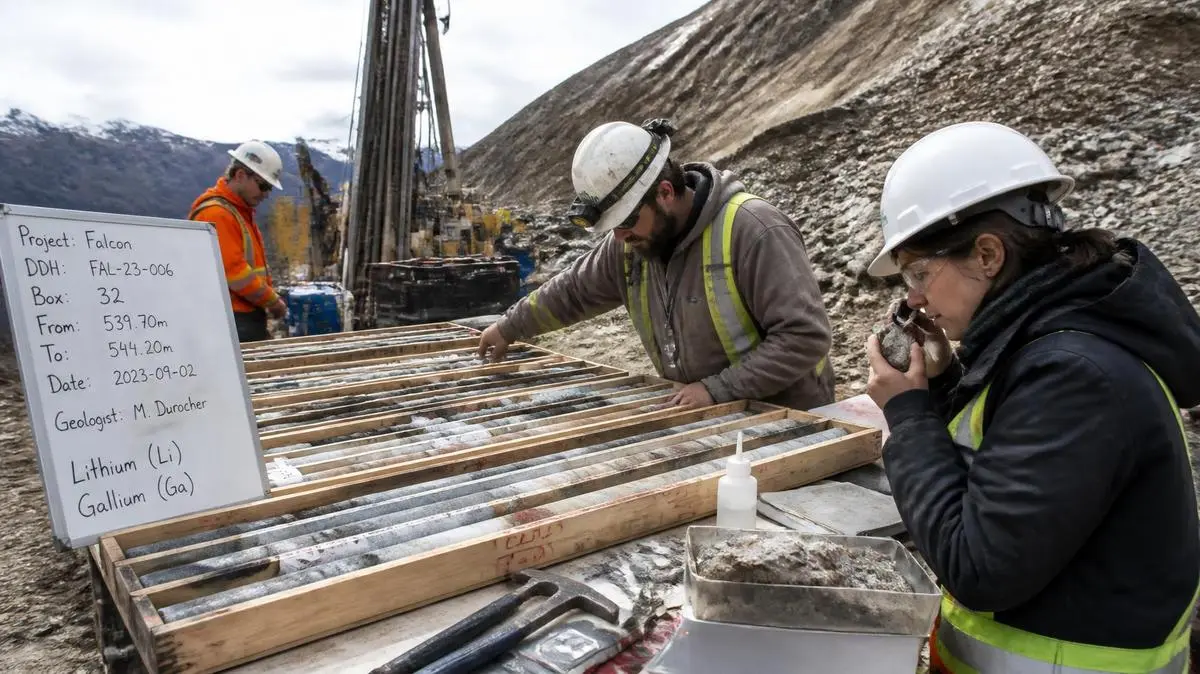
The new exploration programme will cover selected areas of the Kadapa Basin, particularly Vempalle and Thummalapalle. Preliminary investigations have indicated the presence of lithium and gallium in these areas.
According to the information provided for the project, preliminary studies found lithium concentrations of up to 1,000 parts per million and gallium concentrations of up to 250 parts per million.
These early findings do not automatically mean that commercially recoverable deposits have been established. Detailed geological surveys, sampling and further exploration are required to determine the size, quality and economic potential of the mineral resources.
The Kadapa Basin is known for its mineral-bearing geological formations. The Thummalapalle region is also known for uranium mineralisation, making the area significant for geological and mineral research.
₹140 Crore Exploration Project
The exploration programme has an estimated budget of ₹140 crore. The project will be funded entirely through the National Mineral Exploration Trust (NMET).
NMET was created under India’s mining law to support mineral exploration activities. Funding such projects allows government agencies and scientific institutions to investigate areas where important mineral resources may be present.
The involvement of CSIR-NGRI is also significant because the institute has expertise in geophysical surveys, earth sciences and mineral exploration. Scientific techniques can help researchers understand underground geological structures and identify areas that require more detailed investigation.
Focus on Critical Mineral Security
India has been increasing its focus on critical minerals as industries such as electric mobility, renewable energy, electronics and semiconductor manufacturing continue to grow.
Lithium is particularly important for battery technology. As India expands electric vehicles and energy-storage systems, reliable access to battery minerals is becoming increasingly important.
Gallium is linked to advanced electronics and semiconductor technologies. Its use in specialised semiconductor materials makes it valuable for high-performance electronic applications.
The Andhra Pradesh exploration project is therefore part of a wider effort to identify domestic mineral resources that could support India’s growing technology and clean-energy industries.
New Mining Technology Centre Planned
The Andhra Pradesh government also signed another agreement on 12 August with IIT (ISM) Dhanbad-TEXMiN for mining technology and skill development.
Under the agreement, a Centre of Excellence for Mining is planned in Andhra Pradesh. The proposed centre is expected to support research, technology development and skill-building related to the mining sector.
This initiative could complement the mineral exploration programme by creating stronger links between scientific research, mining technology and workforce development.
What the Exploration Could Mean for Andhra Pradesh
Successful exploration could increase knowledge about the mineral resources available in the Kadapa Basin and help authorities decide whether further development is technically and economically possible.
However, mineral exploration is a long process. Initial geological indications must be followed by detailed drilling, resource estimation, environmental assessment and other studies before commercial mining can be considered.
The latest agreements place Andhra Pradesh among the states taking active steps to study critical mineral resources. As demand for batteries, semiconductors and clean-energy technologies continues to grow, domestic exploration of lithium, gallium and other strategic minerals is becoming an increasingly important part of India’s industrial and energy plans.