



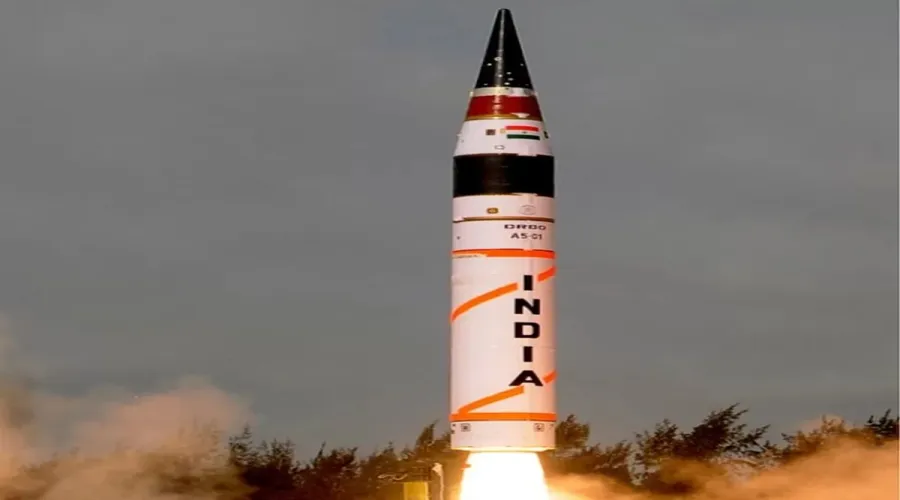
Agni-VI Strategic Defence Leap Strengthens India’s Missile Power

India’s defence system is moving towards a major upgrade with the planned development of the Agni-VI missile. The focus keyword Agni-VI Strategic Defence Leap highlights how the country is preparing to boost its long-range strike strength and modern warfare capability. The Defence Research and Development Organisation (DRDO) has shown full readiness to begin work on this advanced missile programme, awaiting final government approval.
Thank you for reading this post, don't forget to subscribe!DRDO Ready for Agni-VI Programme
The Defence Research and Development Organisation has confirmed that all technical preparations are complete for Agni-VI. DRDO Chairman Samir V Kamat stated that the organisation is capable of starting the project immediately once policy approval is granted. This shows that India already has strong research and development support for next-generation missile systems.
Agni-VI Strategic Defence Leap and Advanced Features
The Agni-VI missile is expected to be more powerful than earlier Agni series missiles. It will likely be an intercontinental ballistic missile (ICBM) with a range beyond 5,500 km. This will give India the ability to strike targets at much longer distances with better accuracy. The Agni-VI Strategic Defence Leap will improve India’s deterrence strength in a rapidly changing global security environment.
Growth in Hypersonic Weapon Technology
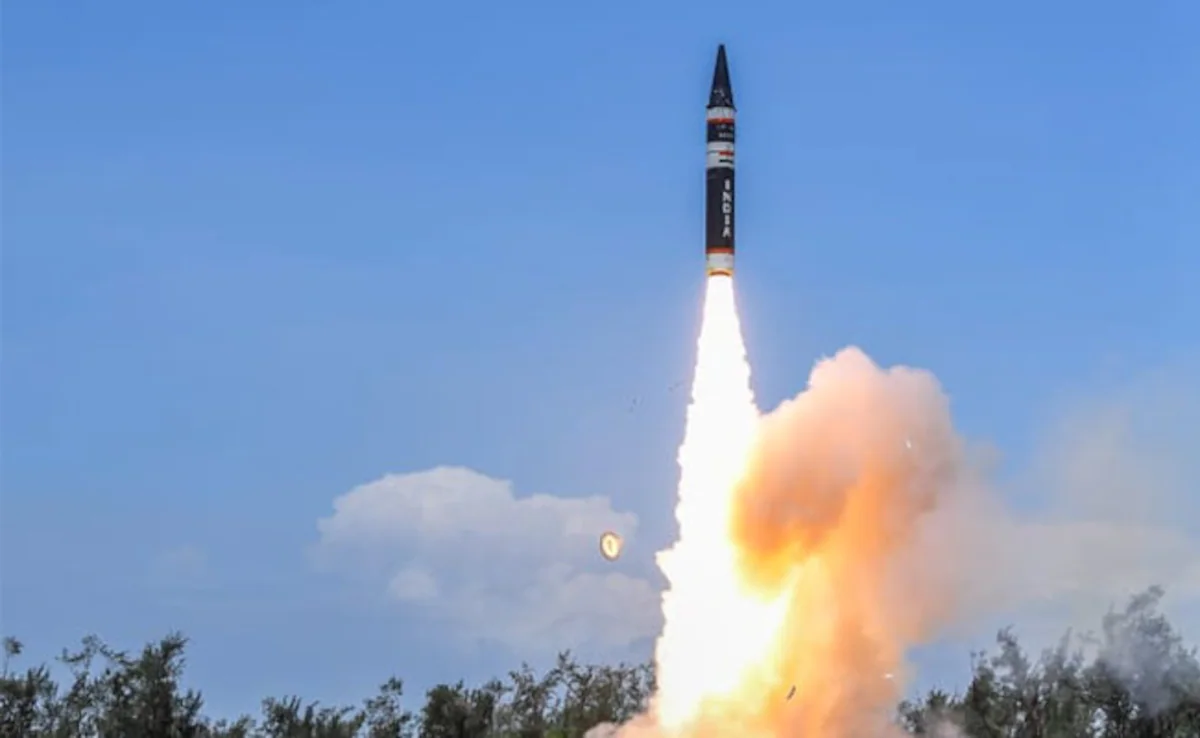
India is also making fast progress in hypersonic weapons. These missiles travel at speeds greater than Mach 5, making them very difficult to track and intercept. The Long-Range Anti-Ship Missile (LR-AShM), based on hypersonic glide vehicle technology, is in an advanced stage and may be tested soon.
Hypersonic glide missiles work differently from cruise missiles. They use rocket boosters to gain high speed and then glide towards the target without continuous propulsion. On the other hand, cruise missiles depend on scramjet engines for sustained speed during flight.
Expanding Conventional Missile Strength
Along with strategic weapons, India is also focusing on building a strong conventional missile force. This includes short, medium, and long-range missiles up to 2,000 km. The addition of cruise and hypersonic systems will give more flexibility during combat situations.
The short-range ballistic missile Pralay missile is close to being inducted into the armed forces. This shows steady progress in strengthening battlefield-level capabilities. Some existing missile systems may also be modified for tactical use, further enhancing operational readiness.