Korea-US Air Drill: Buddy Squadron Exercise Strengthens Allied Air Power

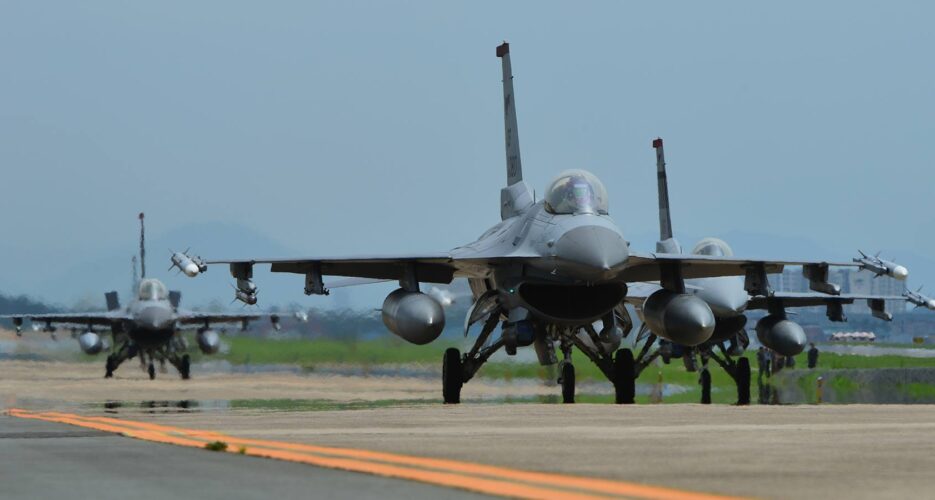
The Korea-US Air Drill has once again highlighted the close defence partnership between South Korea and the United States. The two allies have launched a joint aerial exercise known as Buddy Squadron at Osan Air Base, located in Pyeongtaek. This major air drill is taking place as part of ongoing efforts to strengthen combined defence readiness amid changing regional security conditions.
Thank you for reading this post, don't forget to subscribe!The exercise brings together air force units from South Korea and the United States, focusing on deeper cooperation, smoother coordination, and stronger operational capabilities. Scheduled to run through the week, the drill reflects the growing importance both countries place on joint training and real-time preparedness.
Expanded Scale of the Korea-US Air Drill
This year’s Korea-US Air Drill stands out due to its expanded scale. Compared to previous editions, the number of aircraft participating in each training session has more than doubled. In addition, the total number of flight missions, known as sorties, has increased significantly.
Military officials explained that this expansion is deliberate. A larger number of aircraft and more frequent flights allow pilots and ground crews to operate in conditions that are closer to real combat scenarios. The aim is to build confidence and efficiency when responding to fast-changing situations.
The increased scale also improves coordination between units. With more aircraft in the air at the same time, pilots must rely heavily on communication, timing, and shared procedures. This helps both air forces identify gaps and improve teamwork during complex missions.
Integrated Tactical Training at the Core
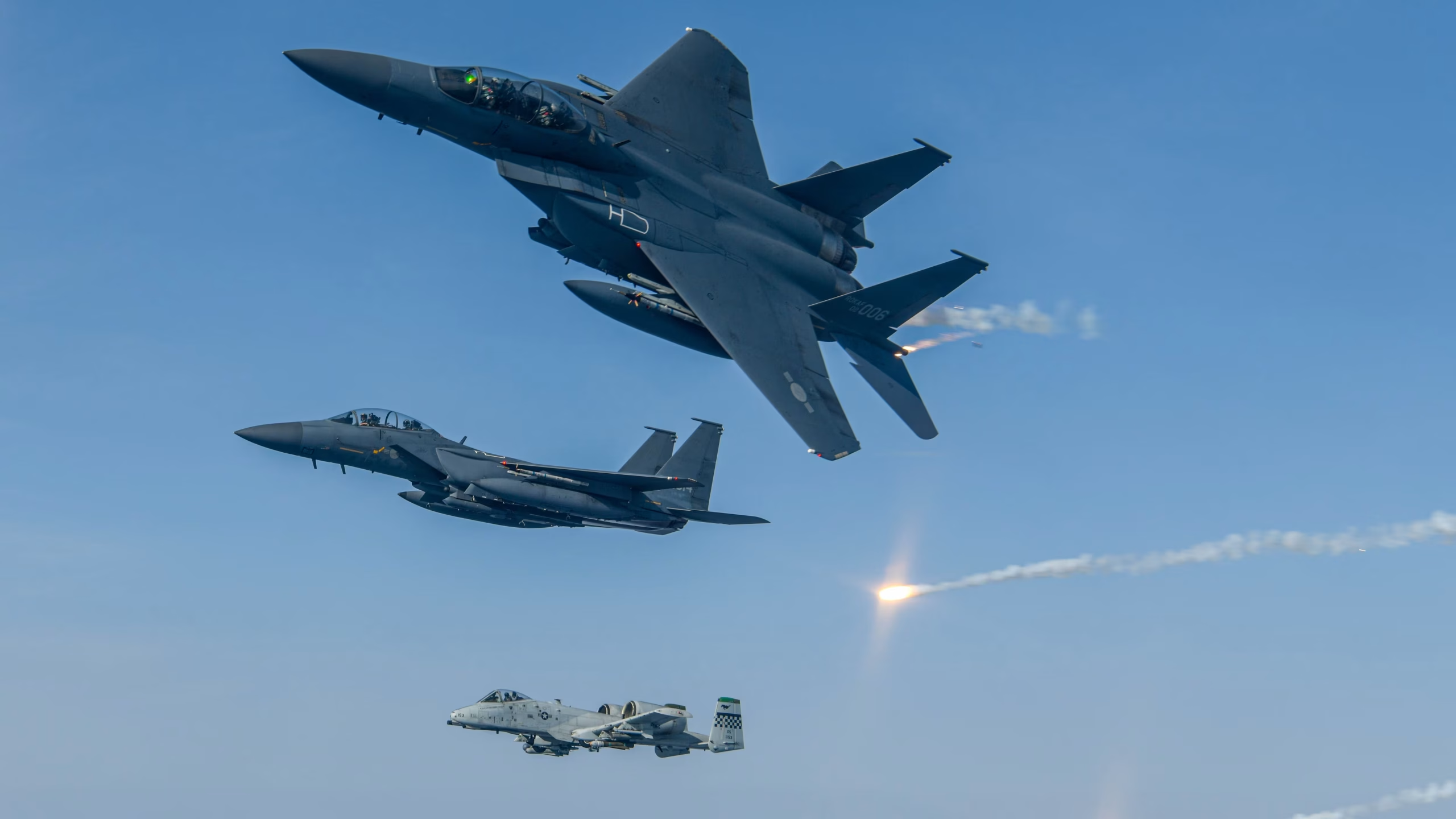
At the heart of the Korea-US Air Drill is integrated tactical training. Buddy Squadron is designed as a battalion-level exercise, meaning it involves full operational units rather than small groups. These units rotate between South Korean and US squadrons, allowing personnel to train closely with their counterparts.
The drill includes both fourth-generation and fifth-generation fighter jets. This mix is important because it reflects the variety of aircraft that could be used together in real operations. Training across different platforms helps pilots understand each other’s strengths and limitations, leading to better cooperation in joint missions.
During the exercise, pilots practice air-to-air manoeuvres, formation flying, and coordinated strike missions. They also test communication systems and decision-making processes under pressure. These activities ensure that, in a real-world situation, both air forces can operate as a single, well-coordinated team.
Strategic Role of Osan Air Base
Osan Air Base plays a key role in the Korea-US Air Drill. As one of the most important allied air bases on the Korean Peninsula, it serves as a hub for joint air operations. Its location allows for quick deployment and efficient coordination between South Korean and US forces.
Hosting the Buddy Squadron exercise at Osan highlights its strategic value. The base is equipped with advanced infrastructure that supports high-tempo air operations. This makes it ideal for large-scale drills involving multiple aircraft and complex mission profiles.
The use of Osan Air Base also sends a clear message about alliance readiness. Regular training at such a strategic location demonstrates the commitment of both countries to maintaining strong defensive capabilities.
Strengthening the Korea-US Defence Alliance
The Korea-US Air Drill is more than just a training event. It is a symbol of the long-standing defence alliance between South Korea and the United States. By training together regularly, both countries ensure that their forces remain compatible and ready to act together if needed.
The expanded nature of this year’s drill reflects a shared understanding of evolving security challenges in the region. As military technologies advance and threats become more complex, close coordination between allies becomes even more important.
Joint air exercises like Buddy Squadron also help build trust at the operational level. Pilots, commanders, and support crews gain firsthand experience working together, which strengthens professional relationships and improves overall effectiveness.
Message of Stability and Deterrence
Beyond training value, the Korea-US Air Drill carries a broader strategic message. Regular and visible joint exercises signal unity and preparedness. They show that both nations are committed to maintaining peace and stability in the region through strong defence cooperation.
By increasing the scale and intensity of the drill, South Korea and the United States demonstrate their ability to respond quickly and effectively to potential challenges. This readiness acts as a deterrent, reducing the likelihood of miscalculation by any potential adversary.
The focus on interoperability ensures that both air forces can act seamlessly, reducing response times and increasing mission success during emergencies.
What the Exercise Means Going Forward
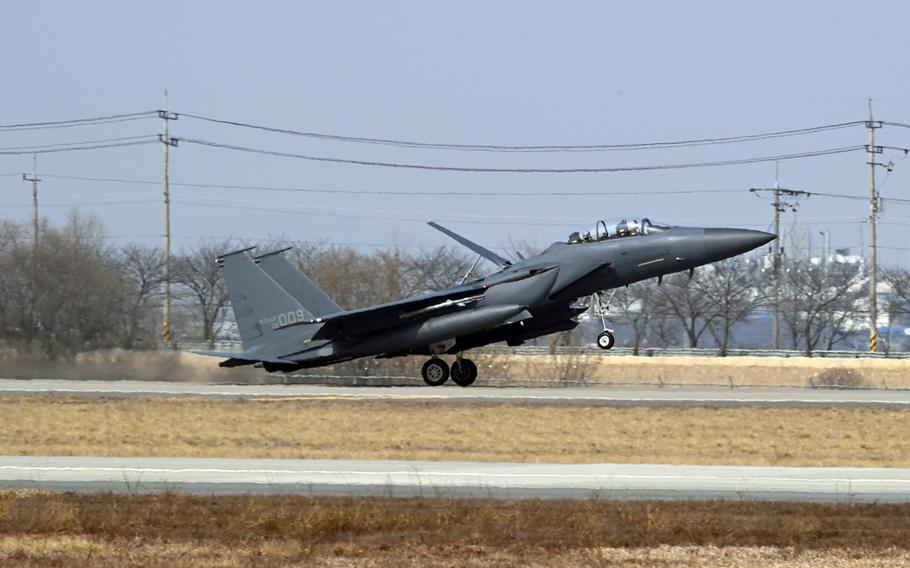
The Buddy Squadron drill reflects a continued emphasis on realistic and demanding training. Lessons learned from this Korea-US Air Drill are expected to influence future joint exercises, leading to even more advanced levels of integration.
As regional security dynamics continue to evolve, sustained joint training will remain a cornerstone of the alliance. The experience gained from operating together under challenging conditions strengthens not only military capability but also strategic confidence.
Through exercises like Buddy Squadron, South Korea and the United States reaffirm their shared commitment to collective defence, readiness, and long-term stability.