




Scarlet Dragonfly Rediscovered In Kerala

In a remarkable discovery that has thrilled naturalists and conservationists alike, the rare scarlet dragonfly (Crocothemis erythraea) has been rediscovered in the high-altitude valleys of Munnar, Kerala. This unexpected sighting in the cool southern reaches of the Western Ghats marks an important milestone in understanding species diversity and adaptation in India’s most biodiverse mountain range.
Thank you for reading this post, don't forget to subscribe!Scarlet Dragonfly Rediscovered In Kerala: A Rare Return to the Western Ghats
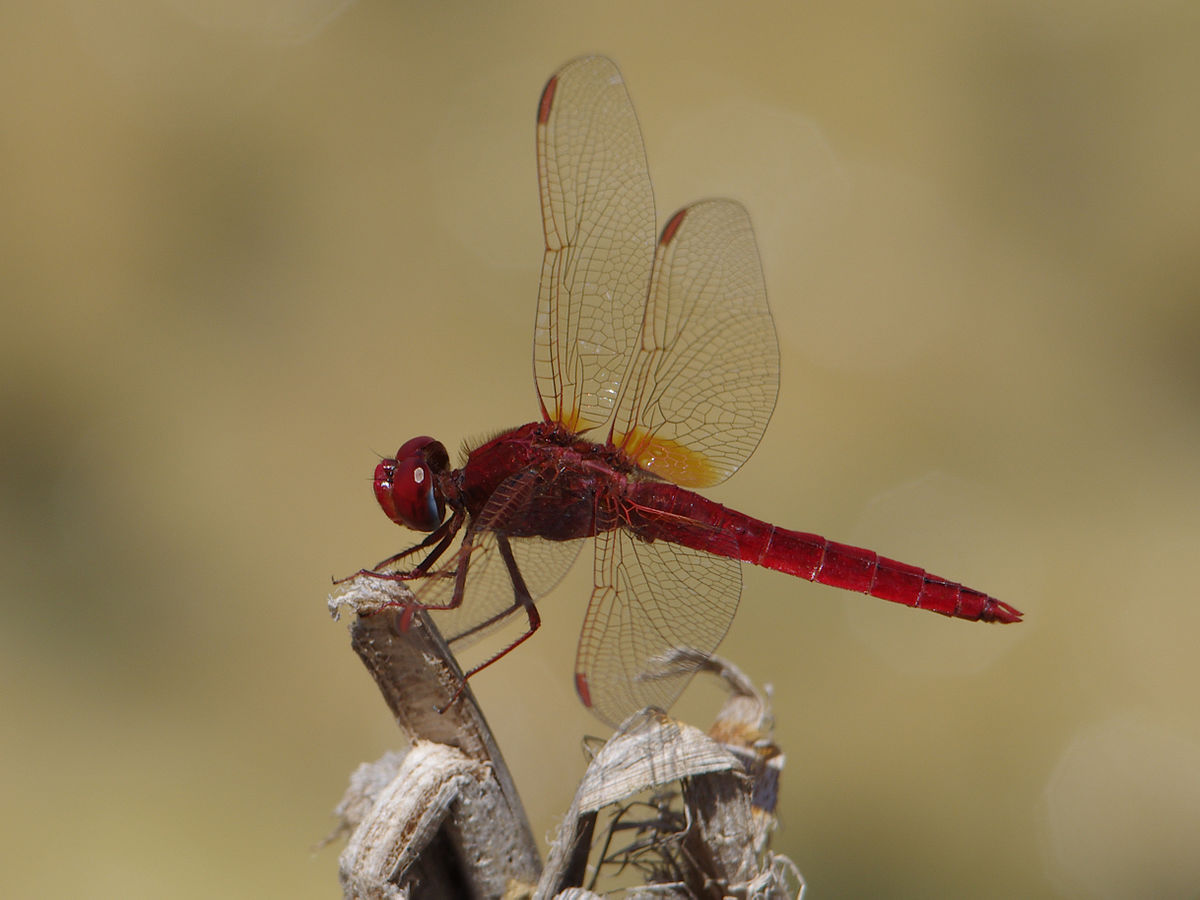
The scarlet dragonfly, also known as the scarlet darter or broad scarlet, is a species better known for its presence in warmer, lowland regions. Males of this species are easily identifiable by their vibrant crimson-red coloration, while females and juveniles display more subdued shades of yellow to brown with pale streaks. Typically, these dragonflies are found near ponds, lakes, and slow-moving rivers, where they breed and hunt for smaller insects.
The rediscovery of this species in Munnar a location characterized by its cool climate and elevated terrain has therefore come as a surprising and scientifically significant event. The observation challenges previously understood ecological patterns and opens new questions about species distribution, adaptability, and the influence of environmental changes.
Scarlet Dragonfly Rediscovered In Kerala: Why the Discovery Matters
What makes this finding remarkable is its ecological and climatic implications. The Western Ghats, a UNESCO World Heritage Site, is recognized as one of the world’s eight “hottest” biodiversity hotspots. Yet, it continues to reveal new and rediscovered species, reflecting both the richness and the fragility of its ecosystems.
Finding a typically warm-climate dragonfly in a cool, high-altitude valley indicates that the species may be adapting to shifting temperatures or changing habitats. Scientists suggest that this could be a response to climate change, as species adjust their ranges to cope with rising global temperatures and altered precipitation patterns.
Moreover, the rediscovery draws attention to the critical role of long-term ecological monitoring. Without consistent surveys and expert identification, such sightings could easily go unnoticed or misclassified, obscuring important data about species presence and movement.
Scarlet Dragonfly Rediscovered In Kerala: From Doubt to Confirmation
Interestingly, the scarlet dragonfly was first photographed in Munnar during a faunal survey in 2018. The images, initially reported in 2021, sparked interest but also skepticism. Experts questioned whether the identification was accurate, leading to its temporary removal from official biodiversity records.
However, recent fieldwork by a team of odonatologists (dragonfly experts) has confirmed that the species is indeed present in the region. Through detailed photographic comparisons and morphological analysis, researchers were able to validate the identification beyond doubt. The confirmation has now reinstated the scarlet dragonfly in Kerala’s biodiversity listings, a success story that underscores the importance of scientific persistence and verification.
Scarlet Dragonfly Rediscovered In Kerala: Life in the Sunlit Waters
Scarlet dragonflies thrive in open, sunlit landscapes, particularly near wetlands and slow-moving water bodies. Unlike forest-dwelling species, they prefer clear banks and grassy edges where they can bask in the sun and hunt efficiently. Their fast, darting flight patterns and brilliant coloration make them favorites among nature photographers and wildlife watchers.
In Munnar, these dragonflies were spotted during early morning and late afternoon, periods when sunlight and humidity levels create favorable conditions for activity. Their return to this cooler region hints that the local microclimates and vegetation patterns might be creating suitable habitats even at higher elevations.
Conservation and Tourism Implications
Beyond scientific excitement, the rediscovery carries broader implications for conservation and ecotourism. Munnar, already known for its lush tea estates and scenic hills, now adds another chapter to its ecological narrative. The presence of the scarlet dragonfly enhances its appeal as a biodiversity destination, encouraging responsible tourism centered around nature appreciation and education.
However, experts warn that rediscovery should not be mistaken for recovery. The species’ presence is a positive sign, but it also serves as a reminder of the delicate balance in mountain ecosystems. Wetland degradation, pesticide use, and unregulated tourism continue to threaten insect populations in the Western Ghats. Protecting these habitats through sustainable management, community awareness, and strict environmental regulations is vital to ensure that such rediscoveries are not short-lived wonders.
A Symbol of Ecological Resilience
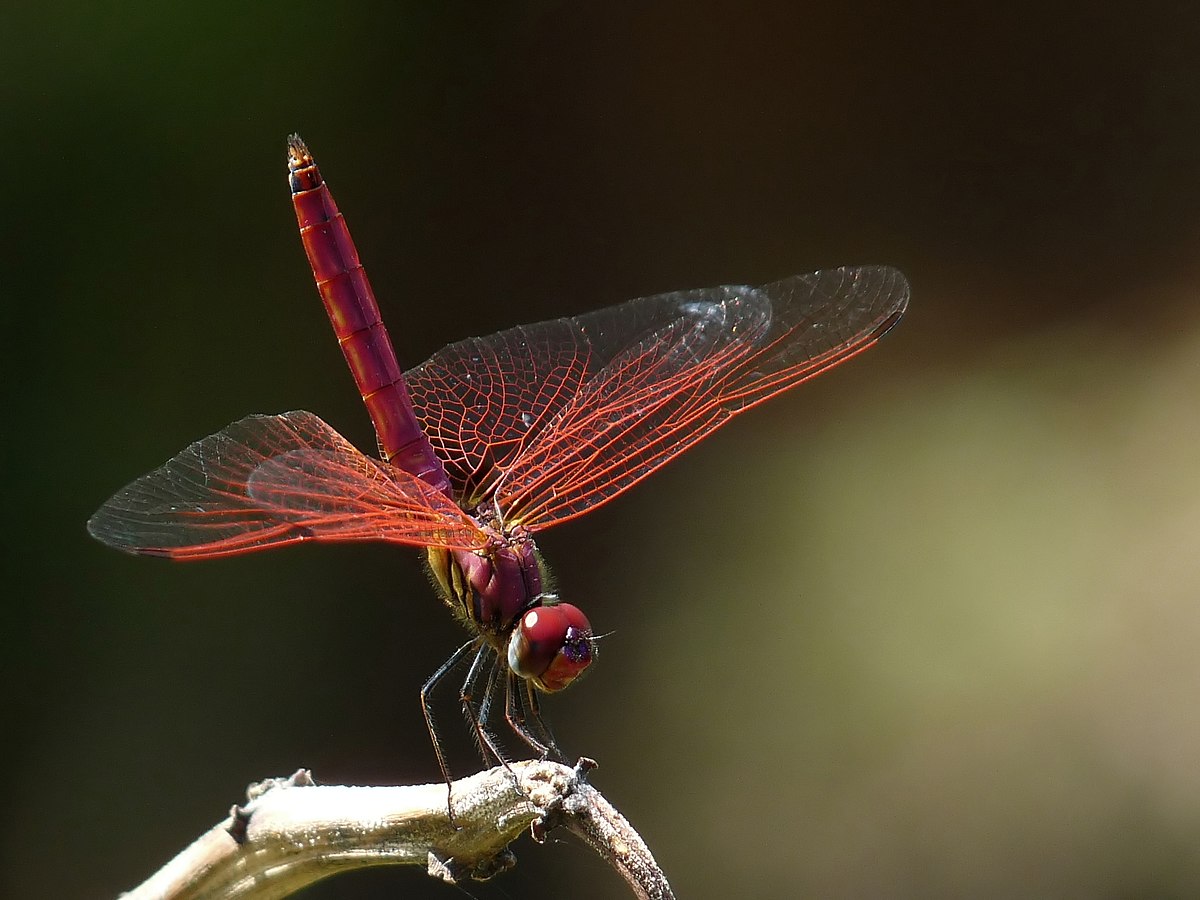
The scarlet dragonfly’s reappearance in Kerala symbolizes nature’s resilience and adaptability in the face of changing environments. It stands as a vivid red beacon of hope, reminding us that even small creatures play a crucial role in maintaining ecological harmony. Their presence signals healthy wetlands and balanced food webs key indicators of environmental wellbeing.
As scientists continue to explore the Western Ghats’ hidden corners, this rediscovery reaffirms a simple truth: the natural world still holds many surprises, waiting to be found, understood, and protected. The scarlet dragonfly, once thought absent from Kerala’s highlands, now flutters once again in the misty skies of Munnar a living emblem of the region’s enduring biodiversity.