Chhath Mahaparvar: India Moves to Nominate the Sun Worship Festival for UNESCO Intangible Heritage List

The Government of India has embarked on an important cultural initiative by beginning the process to nominate Chhath Mahaparvar for inclusion in UNESCO’s Representative List of the Intangible Cultural Heritage of Humanity. This significant step seeks to honour the festival’s deep cultural, spiritual, and environmental roots while ensuring its global recognition and preservation. The move highlights India’s ongoing commitment to safeguarding its living traditions and sharing them with the world.
Thank you for reading this post, don't forget to subscribe!Preserving a Living Tradition
The nomination process, spearheaded by the Ministry of Culture, is being carried out in collaboration with several key institutions such as the Sangeet Natak Akademi and the Indira Gandhi National Centre for the Arts (IGNCA). The effort also involves coordination with the Ministry of External Affairs, reflecting the festival’s reach beyond India’s borders. Indian diplomats from the UAE, Suriname, and the Netherlands recently met with officials in New Delhi to support the initiative, as these countries host significant Indian diaspora communities that continue to celebrate Chhath with devotion.
Virtual consultations have also been held with Indian ambassadors in Mauritius, Fiji, and other nations, ensuring that the diaspora’s contribution is duly recognised in the nomination dossier. The Sangeet Natak Akademi has been assigned the responsibility of preparing the comprehensive documentation required by UNESCO, detailing Chhath Mahaparvar’s cultural significance, safeguarding measures, and community participation.
About Chhath Mahaparvar
Chhath Mahaparvar is a four-day festival dedicated to the Sun God (Surya) and Goddess Chhathi Maiya, who is believed to be the sister of Surya. The festival is predominantly observed in Bihar, Jharkhand, eastern Uttar Pradesh, and parts of West Bengal, but has now found a global presence due to the Indian diaspora.
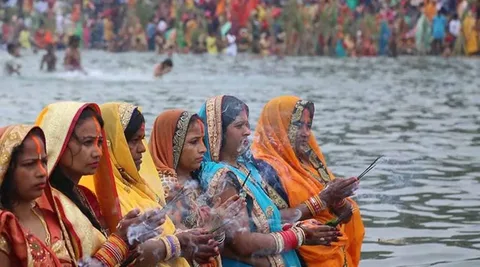
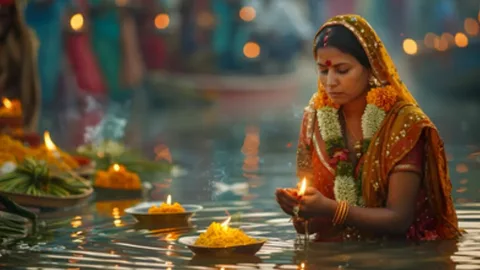
The celebration involves a series of rituals that symbolise purity, devotion, and gratitude towards nature. Devotees undertake fasting, take ritual baths in rivers or ponds, and offer prayers to both the rising and setting sun a rare feature among global solar worship traditions. The rituals are known for their simplicity and ecological consciousness, often performed using natural offerings such as fruits, sugarcane, and grains.
Social and Environmental Significance
Chhath Mahaparvar stands out as a festival that fosters ecological balance and social unity. It emphasises harmony between humans and nature, highlighting the essential relationship between sunlight and life. The offerings made during the rituals use biodegradable materials, promoting environmental sustainability.
Beyond its ecological ethos, Chhath transcends caste, creed, and religion, making it one of the most inclusive festivals in India. People from diverse backgrounds come together to participate in collective prayers, reflecting a sense of equality and togetherness that is deeply ingrained in Indian society.
UNESCO Intangible Heritage Criteria
According to UNESCO’s 2003 Convention on the Safeguarding of Intangible Cultural Heritage, for any cultural element to be inscribed on the Representative List, it must be a living tradition that is actively practised and transmitted through generations. It should also represent a significant part of the cultural identity of the community and include clear safeguarding measures for its continuity.
The nominating country must provide extensive documentation demonstrating the element’s cultural importance and the participation and consent of practitioners. In the case of Chhath Mahaparvar, India’s submission will include community-led preservation efforts, diaspora participation, and environmental sustainability practices as core components of the festival’s continuing legacy.
India’s Rich Heritage Portfolio
If accepted, Chhath Mahaparvar will join India’s illustrious list of 15 UNESCO-recognised intangible cultural heritage elements, which include Vedic chanting, Kutiyattam theatre, Ramlila performances, Chhau dance, Yoga, the Kumbh Mela, and Durga Puja in Kolkata, among others. Each of these traditions reflects a unique aspect of India’s cultural identity and spiritual depth.
Adding Chhath Mahaparvar to this list would not only celebrate one of the oldest surviving solar worship traditions in the world but also reinforce India’s role as a global leader in preserving intangible heritage. It signifies the nation’s broader cultural diplomacy efforts aimed at promoting mutual respect and understanding across cultures.
Global Collaboration and the Role of the Diaspora
A distinguishing aspect of this nomination is its multinational collaboration. Countries such as the UAE, Suriname, and the Netherlands have extended support, recognising the role of Indian diaspora communities that continue to celebrate Chhath with the same devotion as in their homeland. In Mauritius and Fiji, the festival has also become part of local cultural calendars, further showcasing how traditions evolve yet remain rooted in shared heritage.
The participation of multiple nations underscores the global footprint of Chhath Mahaparvar and how cultural practices can transcend national boundaries to unite people through shared values of gratitude, sustainability, and spirituality.
Why Recognition Matters
The possible inscription of Chhath Mahaparvar on UNESCO’s Representative List would be more than a symbolic achievement. It would help protect the festival’s rituals from fading due to urbanisation and modernisation pressures. It would also encourage local communities to continue practising and passing on the tradition to younger generations.
UNESCO recognition often brings enhanced visibility, funding for preservation, and international collaboration for research and education. For Chhath, it would mean global awareness of India’s eco-spiritual traditions that prioritise nature conservation, inclusiveness, and gratitude toward life-giving forces.
A Festival of Light, Faith, and Unity
At its heart, Chhath Mahaparvar is a festival that celebrates the enduring connection between humanity and nature. It represents discipline, faith, and gratitude values that remain deeply relevant in today’s world. As India seeks UNESCO recognition for this sacred tradition, it is also reaffirming its belief that cultural heritage is not just about the past but a living, evolving bridge to a sustainable future.