



Soundala Caste-Free Village: A Bold Step Toward Equality and Human Dignity

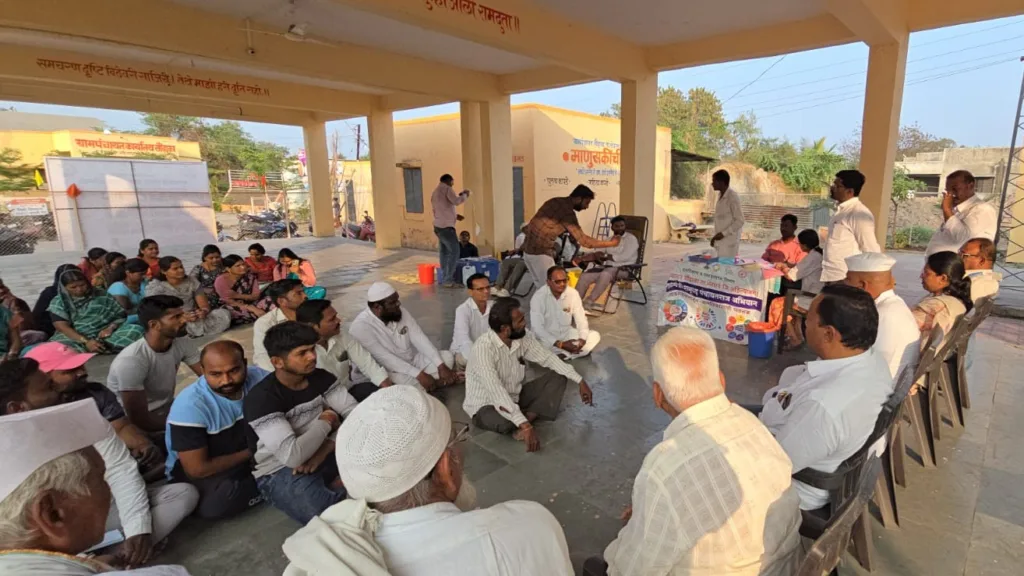
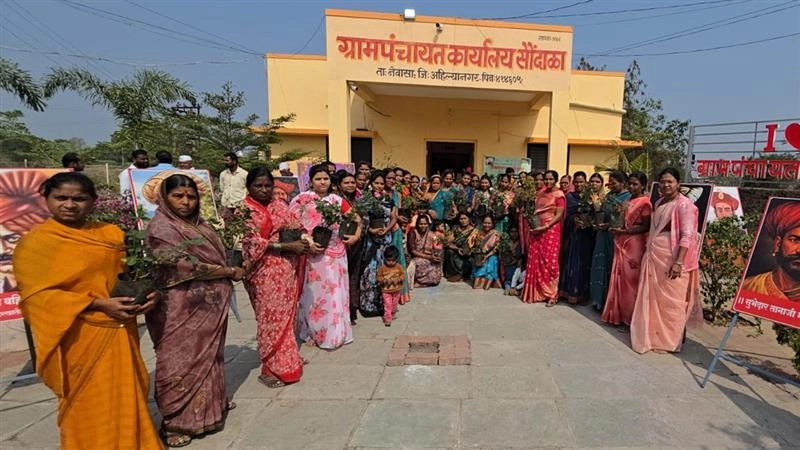
In a powerful example of grassroots social reform, Soundala Caste-Free Village has emerged as a symbol of equality and unity in rural India. Soundala, a small village in Maharashtra, has formally declared itself a “caste-free” village through a unanimous decision taken by its Gram Sabha. This historic resolution, passed on 5 February 2026, reflects the collective will of the villagers to reject caste-based divisions and build a community based on shared human values.
Thank you for reading this post, don't forget to subscribe!The declaration carries a strong and simple message summed up in the village motto: “Aamchi jaat… manav”, which means “my caste is humanity”. With this step, Soundala has chosen to define identity not by birth or social hierarchy, but by dignity, equality, and mutual respect.
A Collective Decision by the Community
Soundala is located in the Ahilyanagar district and is home to people from diverse social and economic backgrounds. The decision to become a caste-free village was not imposed from outside. Instead, it came from within the community through open discussion and agreement.
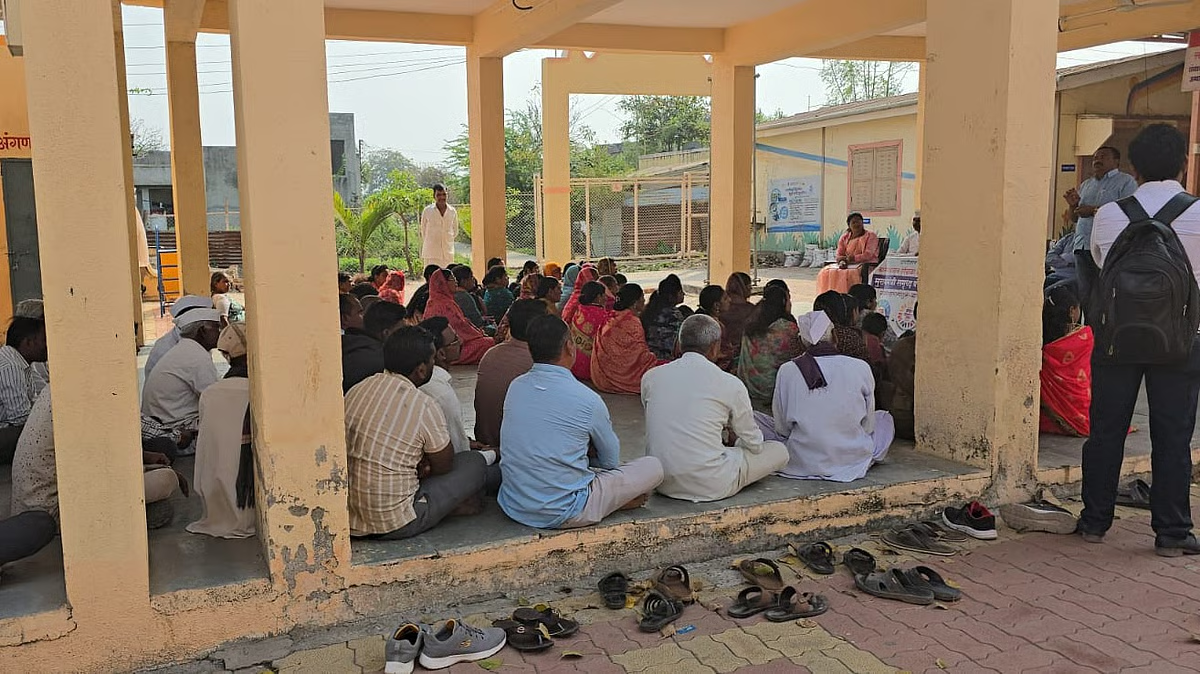
During the Gram Sabha meeting, villagers from all sections expressed their support for ending caste-based discrimination in everyday life. The resolution clearly states that no individual or group will face exclusion, humiliation, or unequal treatment based on caste, religion, creed, or any other social marker. By passing the resolution unanimously, the village sent a strong message that social harmony is a shared responsibility.
Equal Access to Public Spaces and Services
One of the most important aspects of the Soundala Caste-Free Village declaration is its focus on equal access. The resolution commits the village administration and residents to ensure that all public spaces remain open and accessible to everyone without discrimination.
This includes schools, temples, water sources, community halls, cremation grounds, and government services. In many parts of rural India, informal barriers still exist that restrict access to such spaces based on caste. Soundala’s decision directly challenges these practices by making equality a community rule rather than just a legal idea.
The village has also pledged to take complaints related to caste discrimination seriously. Any attempt to revive discriminatory practices, whether in physical spaces or through online platforms, will be addressed to protect social harmony.
Inspired by Constitutional Values
The guiding spirit behind the Soundala initiative comes from the ideals enshrined in the Indian Constitution. The resolution draws inspiration from the Constitution’s emphasis on justice, liberty, equality, and fraternity.
Village leaders have explained that the goal is not only to follow the law but to live its values in everyday life. By aligning village governance with constitutional principles, Soundala aims to strengthen democracy at the grassroots level. The idea is simple: true equality must be practiced in daily interactions, not just written in legal texts.
Interestingly, the move was described as preventive rather than reactive. Soundala has not witnessed major caste-related conflicts in recent years. Still, the community felt it was important to take a clear stand now, before any form of discrimination could take root in the future.
A History of Progressive Social Choices
Soundala’s declaration did not come out of nowhere. The village has a recent history of taking progressive social decisions that challenge harmful traditions. In 2024, Soundala adopted resolutions supporting widow remarriage and discouraging the use of abusive or degrading language in public life.
These earlier initiatives helped build trust among villagers and showed that collective action can change social norms. Over time, such steps have shaped a culture of dialogue and mutual respect, making it easier for the community to take the bold decision of declaring itself caste-free.
Because of this consistent approach, Soundala is now being discussed as a model for other villages that want to promote social equality without conflict or coercion.
Growing Attention Beyond the Village
The Soundala Caste-Free Village initiative has attracted attention from civil society groups, social activists, and policy observers. Some groups have even suggested marking 5 February as an “International Caste-Free Day” to highlight the importance of such grassroots efforts.
While this proposal is symbolic, it reflects how a small village decision can spark wider conversations. Soundala’s example shows that meaningful social reform does not always require large movements or top-down policies. Sometimes, change begins with a simple agreement among neighbors to treat each other as equals.
Why the Soundala Example Matters
Caste continues to influence social relations in many parts of India, even decades after independence. Laws alone have not been enough to erase deep-rooted attitudes. In this context, the Soundala Caste-Free Village declaration stands out because it combines legal awareness with moral commitment.
By choosing humanity over hierarchy, the villagers have redefined what community identity can mean. Their decision highlights the power of local institutions like the Gram Sabha to shape social values. It also reminds us that equality becomes real only when people actively choose it in their daily lives.
Soundala’s journey is still ongoing, and challenges may arise. However, its declaration has already added a hopeful chapter to India’s broader story of social reform. It shows that when people come together with clarity and courage, even long-standing social barriers can begin to fade.