
Sports Diplomacy: Asian Events Build Regional Ties

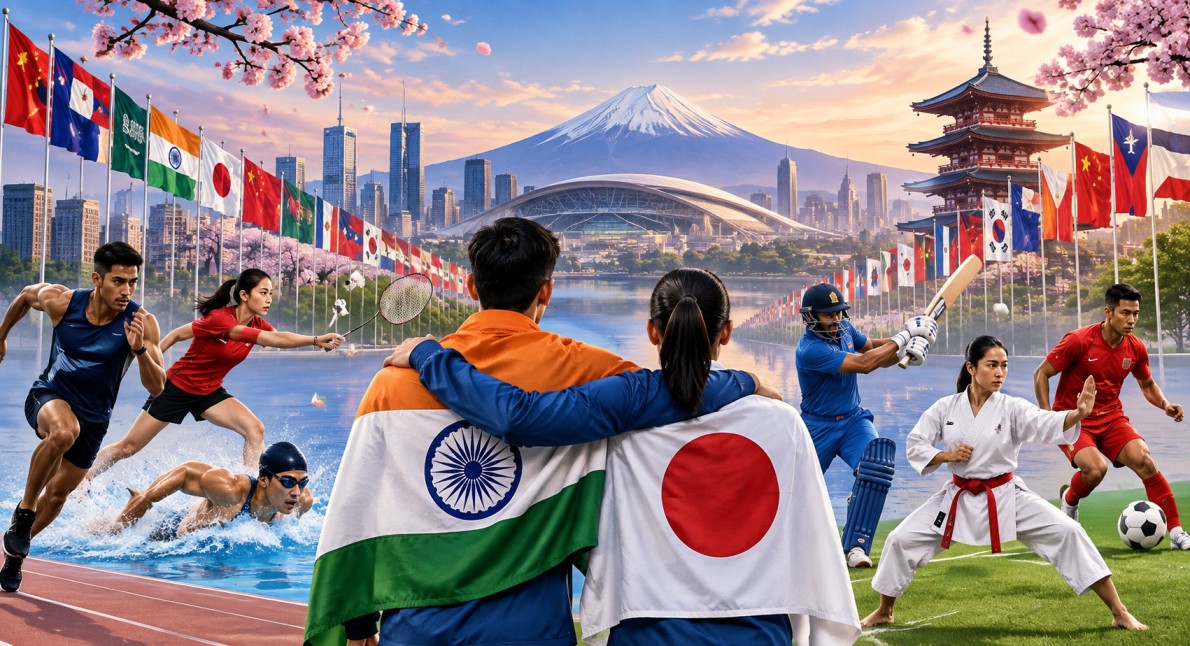
Sports Diplomacy has become an important part of regional engagement in Asia, with major sporting events creating opportunities for countries to interact beyond formal government meetings. Events such as the Asian Games, AFC Asian Cup, SEA Games and Asia Cup bring athletes, officials and supporters from different countries together while also creating space for cultural exchange, public diplomacy and regional cooperation.
Thank you for reading this post, don't forget to subscribe!Asian Games Bring Asia Together
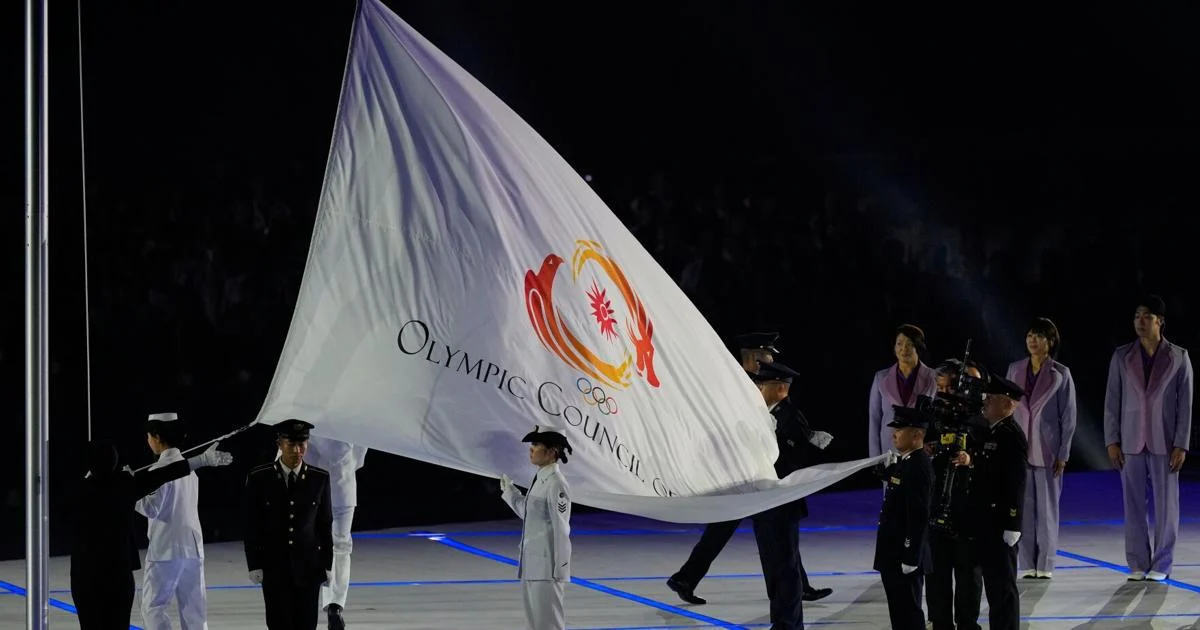
The Asian Games are the largest multi-sport event organised by the Olympic Council of Asia (OCA). The first Asian Games were held in New Delhi in 1951, with 11 National Olympic Committees taking part. The event has since grown into a major continental sporting platform. The OCA currently represents 45 Asian National Olympic Committees.
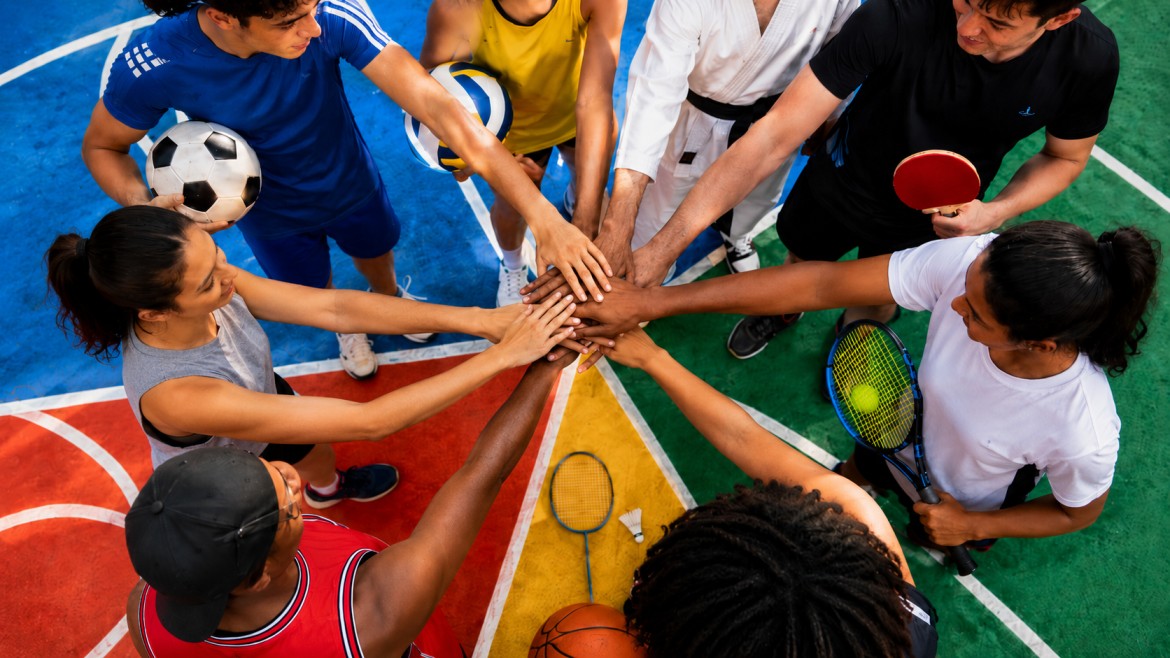
The Asian Games are held every four years and include a wide range of sports. Their size allows countries with different political systems, cultures and economic backgrounds to compete on the same sporting platform.
The 20th Asian Games are being held in Aichi-Nagoya, Japan, from September 19 to October 4, 2026. The OCA says around 11,000 athletes and 6,000 officials from 45 National Olympic Committees are taking part. The Games feature 43 sports and 71 disciplines, making them one of the largest sporting gatherings in Asia.
Aichi-Nagoya 2026 Creates New Connections
The ongoing Aichi-Nagoya Asian Games provide a current example of how sport can connect countries across the region. Japan is hosting the Asian Games for the third time, following Tokyo in 1958 and Hiroshima in 1994.
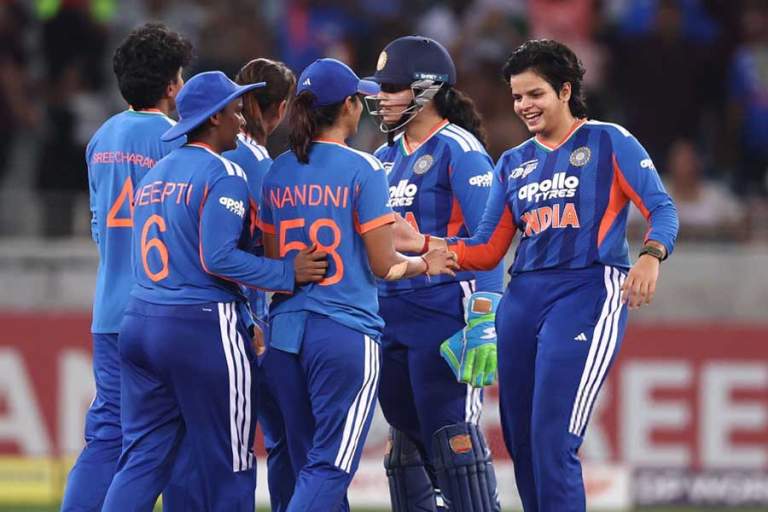
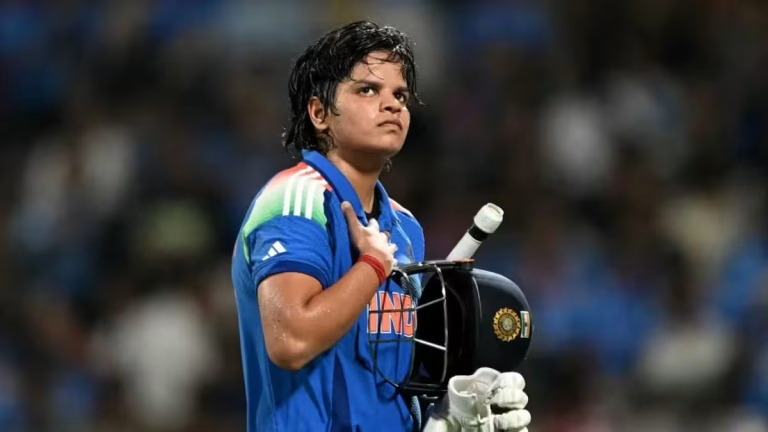
The 2026 edition also includes sports that have a growing international following. Cricket has been included in the programme in the T20 format for both men and women. Mixed martial arts is also making its Asian Games debut.
India has sent 492 athletes to the Games, including 265 men and 227 women. The Indian contingent includes athletes from athletics, shooting, badminton, boxing, wrestling, cricket, kabaddi and several other sports.
Such a large event creates regular contact between athletes, coaches, sports administrators and officials from different countries. These interactions can continue beyond the competition itself through training programmes, sporting exchanges and institutional cooperation.
Sports Diplomacy and Soft Power
Sports Diplomacy can help countries present their culture and capabilities to international audiences. Hosting a major event allows a country to showcase stadiums, transport systems, technology, cultural traditions and organisational capacity.
Sport also provides a less formal setting for interaction. Government officials, sports administrators and political leaders often meet during major competitions. These meetings do not replace formal diplomacy, but they can provide another channel for communication.
The OCA itself places emphasis on friendship, mutual understanding and cooperation through sport. Its stated objectives include developing sport, culture and education across Asia.
AFC Asian Cup Connects Football Nations
Football is another major part of Asia’s sporting identity. The AFC Asian Cup brings national football teams from across the continent together in a major continental competition.
The Asian Football Confederation manages football competitions in Asia, including the Asian Cup and qualification competitions connected with the FIFA World Cup. Football attracts large audiences across East, South, Southeast and West Asia, giving the sport a wide regional reach.
Major football tournaments can create opportunities for supporters from different countries to travel, interact and experience each other’s cultures. Host countries also use these events to promote cities and national cultural programmes.
SEA Games Strengthen Southeast Asian Links
The Southeast Asian Games, commonly known as the SEA Games, provide another example of regional sporting cooperation. The event brings together countries from Southeast Asia and is held on a regular multi-sport cycle.
The SEA Games began in 1959 as the Southeast Asian Peninsular Games. It has developed into a major regional event involving countries such as Indonesia, Malaysia, Thailand, Singapore, Vietnam and the Philippines.
Because the participating countries are geographically close and have strong economic and cultural links, sports exchanges can add another layer to existing regional relationships.
Cricket Creates a Strong Asian Sporting Platform
Cricket has a particularly strong following in South Asia and is also expanding in other parts of Asia. The Asia Cup, organised by the Asian Cricket Council, is one of the region’s most visible cricket competitions.
India, Pakistan, Sri Lanka, Bangladesh, Afghanistan and other Asian cricket nations have used international and regional competitions to develop the sport and build sporting connections.
Cricket’s return to the Asian Games in Aichi-Nagoya 2026 is significant for the sport’s regional reach. The OCA confirmed men’s and women’s T20 cricket for the Games, while cricket’s inclusion also comes ahead of its scheduled return to the Olympic programme at Los Angeles 2028.
Sport as a Cultural Exchange
Sporting events do more than produce competition between teams and individuals. Large events bring together different languages, food traditions, music, clothing and cultural practices.
The Asian Games provide a particularly large platform for this exchange because athletes and officials from 45 Asian National Olympic Committees participate. Cultural programmes connected with major events can help introduce visitors to the host country’s traditions while also giving participating countries opportunities to present their own cultures.
The OCA’s Asian Games for All programme also promotes participation beyond elite competition, with activities connected to sport, culture and community engagement across Asia.
India and Japan’s Sporting Connection
The current Aichi-Nagoya Games also add to the wider relationship between India and Japan. Sporting exchanges are one part of the broader people-to-people relationship between the two countries.
India’s participation in Aichi-Nagoya includes athletes across several sports, while Japan is hosting the Games across venues in Aichi Prefecture and other locations. The event provides a large platform for athletes and sports officials from both countries to interact.
India’s 492-member athlete contingent also includes several returning Asian Games champions. Athletics is the largest group in the Indian team, with 73 athletes.
Safe Sport and Regional Cooperation
Current Asian Games activities also show that regional sporting cooperation is not limited to competitions. The OCA launched a safe-sport campaign ahead of Aichi-Nagoya 2026, focusing on respect, boundaries, speaking up, preventing bullying and supporting athletes.
The organisation is also addressing areas such as anti-doping, mental health and the prevention of competition manipulation during the Games.
These initiatives show how major sporting events can also be used to develop common standards and practices across different national sports systems.
Major Events Shape Asia’s Sporting Identity
The Asian Games, football championships, cricket tournaments and regional multi-sport events give Asian countries regular opportunities to interact through sport. Their influence extends beyond medals and records into cultural exchange, athlete development and institutional cooperation.
As Aichi-Nagoya 2026 brings thousands of athletes and officials together, the Games provide a current example of how sport can create regular connections among Asian countries. The continuing growth of cricket, football, athletics and other sports is also expanding the number of platforms through which these relationships can develop.