Lake Victoria Toxic Green Crisis Deepens Across East Africa

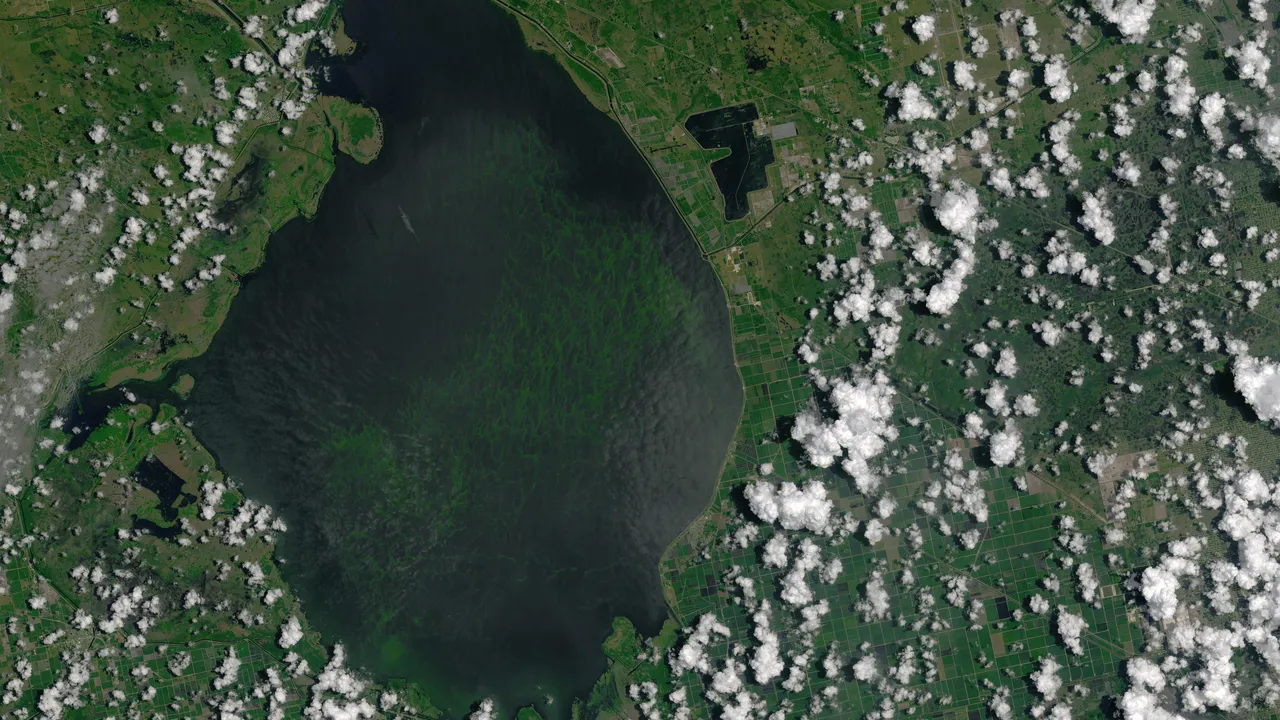
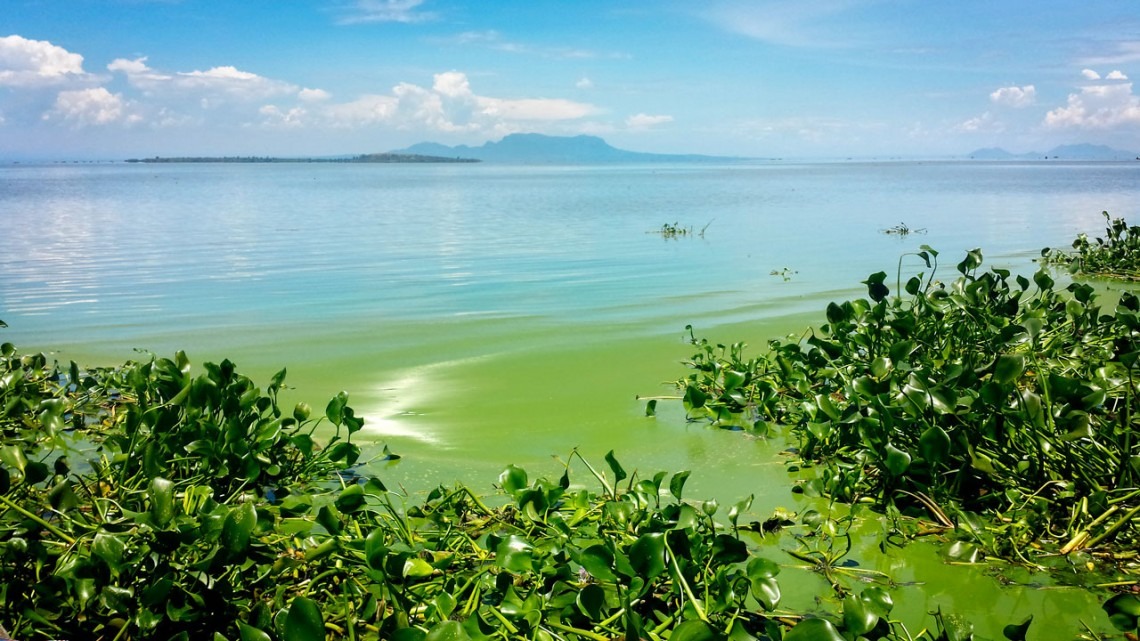
The Lake Victoria Toxic Green Crisis is no longer a seasonal warning but a daily reality for millions of people living around Africa’s largest freshwater lake. The waters of Lake Victoria, once known for their blue clarity and rich biodiversity, have turned a persistent toxic green. What were earlier short-lived algal blooms have now become a permanent feature, raising serious concerns for public health, fisheries, and the future of the lake itself.
Thank you for reading this post, don't forget to subscribe!Lake Victoria supports nearly 47 million people across Kenya, Tanzania, and Uganda. Communities depend on it for drinking water, transport, irrigation, and fishing. Scientists now warn that decades of pollution have pushed the lake beyond a critical ecological threshold, making recovery increasingly difficult.
A Lake Turning Permanently Green
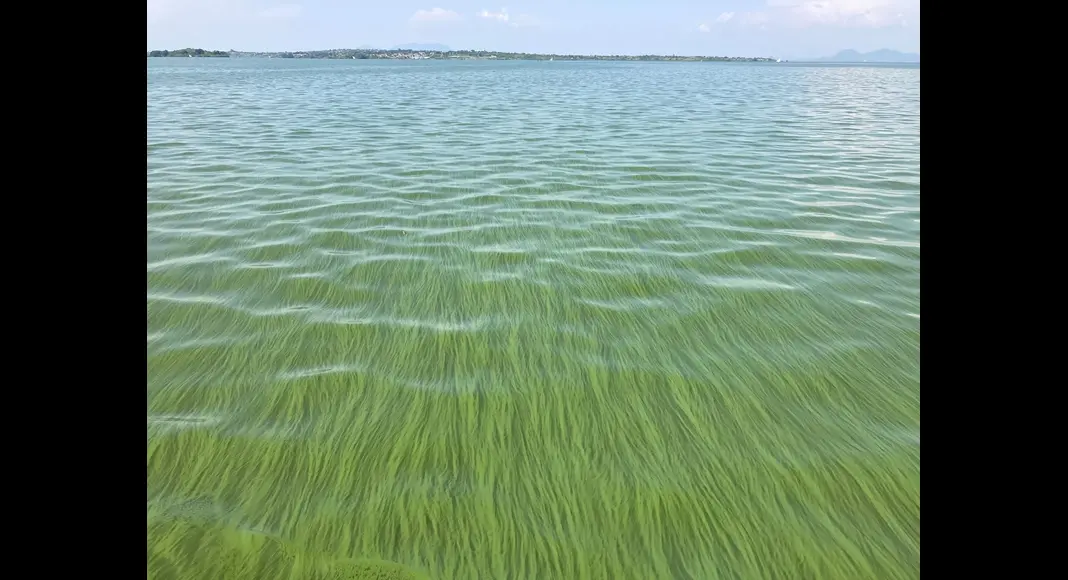
The green colour spreading across Lake Victoria is caused by harmful algal blooms driven by eutrophication. This process occurs when water bodies receive excessive nutrients, mainly nitrogen and phosphorus. In the Lake Victoria basin, rapid population growth and expanding agriculture have overloaded the lake with these nutrients.
Fertiliser runoff from farms, untreated sewage from towns, industrial discharge, soil erosion, and even airborne pollutants all find their way into the lake. During the rainy seasons, the problem becomes worse. Heavy rainfall washes accumulated waste from the land into rivers and streams that flow directly into the lake, feeding the growth of algae.
Once these algae take over, they block sunlight, reduce oxygen levels in the water, and release toxins that threaten both aquatic life and human health. What is most alarming is that these blooms are no longer temporary. They persist throughout the year, showing that the lake’s natural balance has been deeply disturbed.
Rivers Carrying the Burden of Pollution
Scientific studies of rivers flowing into Lake Victoria reveal the scale of nutrient pollution. One striking example is the Nzoia River, which delivers enormous amounts of nitrate into the lake. During peak rainy periods, this river alone can carry more than 22,000 kilograms of nitrate per day.
Manure from livestock and untreated sewage from growing urban centres are identified as the main sources of this pollution. Many towns around the lake lack adequate sanitation systems, allowing waste to flow directly into waterways. As populations continue to rise, the pressure on already weak infrastructure increases, adding more nutrients to the lake each year.
A Century of Ecological Change
The Lake Victoria Toxic Green Crisis did not appear overnight. Sediment cores collected from the Mwanza Gulf show that eutrophication began as early as the 1920s. This timing matches major changes in land use, including deforestation, farming expansion, and urban growth.
Between 1920 and 1990, the lake’s primary productivity steadily increased. Since the 1990s, toxin-producing cyanobacteria have become dominant. These changes happened long before the most visible signs of ecological collapse, such as fish declines, became clear.
Zooplankton populations, which form a crucial link in the food web, declined sharply around the 1960s. This disruption weakened the ecosystem and set the stage for the loss of many native fish species in later decades. Rising lake levels and altered water flow patterns further stressed habitats, making the system even more fragile.
Toxic Blooms and Health Concerns
One of the most dangerous aspects of the Lake Victoria Toxic Green Crisis is the presence of toxins produced by cyanobacteria. These toxins, especially microcystin, can cause serious liver damage. In areas like Winam Gulf, toxin levels frequently exceed safety limits set by the World Health Organization.
The risk is not always visible. Toxic blooms do not always form thick green scums on the surface. Even when the water looks only slightly murky, harmful toxins can still be present. This makes it difficult for communities relying on untreated lake water to know when it is safe to use.
Recent genetic studies have revealed that these blooms are made up of multiple cyanobacterial species. Scientists have also found hundreds of uncharacterised genes, suggesting the possible presence of unknown bioactive compounds. This means the threat is not only severe but also unpredictable, with potential health impacts that are not yet fully understood.
Dead Zones and a Fishery Under Stress
Oxygen depletion is now spreading into deeper parts of Lake Victoria, creating dead zones where most aquatic life cannot survive. These low-oxygen areas shrink the living space for fish and other organisms, pushing the ecosystem closer to collapse.
The lake’s fishery is a major economic pillar, producing more than 300,000 tonnes of fish each year and generating around 600 million dollars in value. Millions of livelihoods depend on fishing, processing, and trade. However, fluctuating oxygen levels and changes in the food web threaten the stability of fish populations.
Fish kills, once seen as isolated events, are becoming more frequent. Expanding dead zones mean that even small environmental changes could trigger large-scale losses, affecting food security and incomes across the region.
A Shared Responsibility for the Future
The Lake Victoria Toxic Green Crisis highlights the consequences of long-term neglect and unplanned development. The lake is shared by three countries, and its protection requires coordinated action across borders. Reducing nutrient pollution, improving sanitation, managing agricultural runoff, and restoring degraded land are essential steps.
Scientists stress that while the lake has crossed critical thresholds, action can still slow further damage. The choices made today will determine whether Lake Victoria remains a life-supporting resource or continues its slide into a toxic state that endangers millions of people.