



UAE OPEC Exit Oil Shock: UAE Leaves OPEC Amid Global Oil Tensions

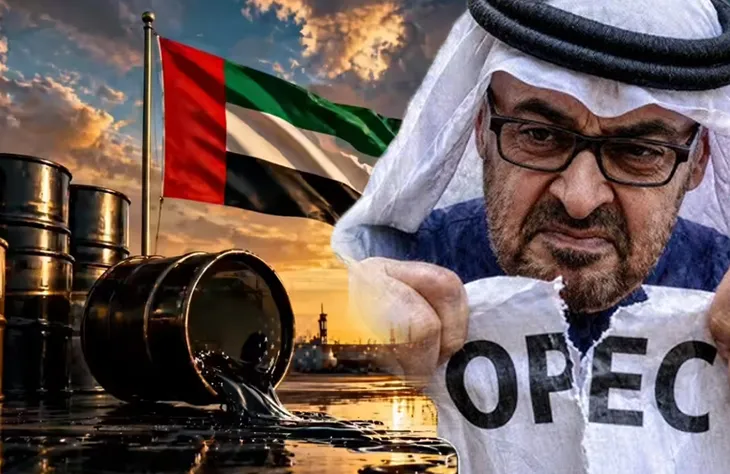
UAE OPEC Exit Oil Shock marks a major turning point in global energy politics as the United Arab Emirates announces it will leave OPEC and OPEC+ from May 1, 2026. This decision comes at a time of rising instability in oil markets due to conflicts and supply disruptions, especially around the Strait of Hormuz.
Thank you for reading this post, don't forget to subscribe!Why the UAE Chose to Leave
The UAE government said the move is part of its long-term economic and energy strategy. Energy Minister Suhail Mohamed al-Mazrouei explained that the country wants more control over its oil production and future plans.
For years, the UAE has aimed to increase its production capacity. However, OPEC’s quota system limited how much oil it could produce. By leaving the group, the UAE now has the freedom to adjust output based on its own national interests.
Impact on OPEC and OPEC+
The UAE’s exit is a big challenge for OPEC. With a production capacity of around 4.8 million barrels per day, the country has been one of the group’s key members. Its departure could weaken OPEC’s ability to control global oil supply and prices.
Saudi Arabia is now expected to take on a larger role in maintaining balance within the group. At the same time, rising oil production from the United States adds more pressure on OPEC’s influence in the global market.
Strait of Hormuz and Regional Tensions
The timing of this decision is critical. The Strait of Hormuz is one of the most important oil transit routes in the world, carrying nearly one-fifth of global energy supplies.
Ongoing tensions involving Iran and regional conflicts have increased risks for oil shipments. These issues have raised transport costs and created uncertainty in energy markets. The UAE’s move also reflects growing competition in the region, especially with Saudi Arabia over economic and strategic influence.
Global Market and Political Reactions
The UAE OPEC Exit Oil Shock is expected to create more uncertainty in global oil markets. Political reactions have also been strong. Donald Trump has often criticised OPEC for controlling oil prices and influencing global supply.
Energy experts believe that countries like the UAE now prefer to maximise production instead of following group limits. As global oil demand approaches its peak, many producers are changing their strategies. The UAE’s decision shows a shift toward national priorities over collective agreements.