Gobi Desert Tiny Fossil Discovery Reveals Early Mammal Life

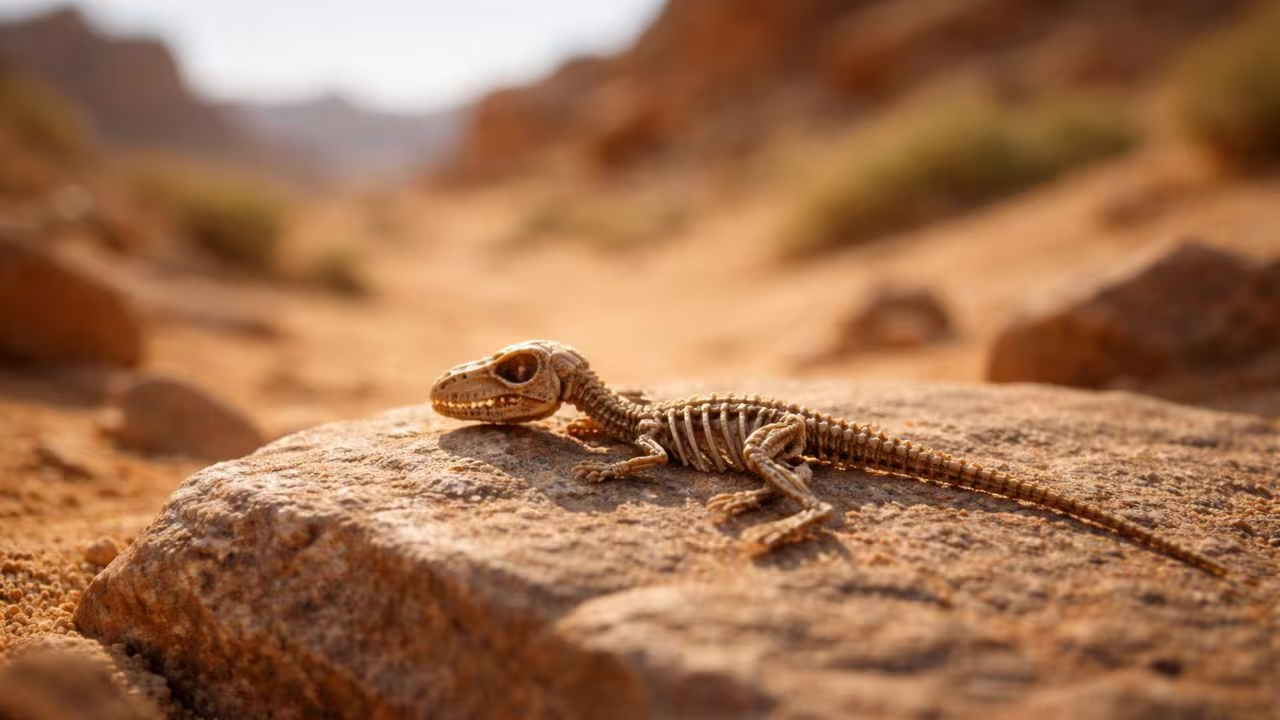
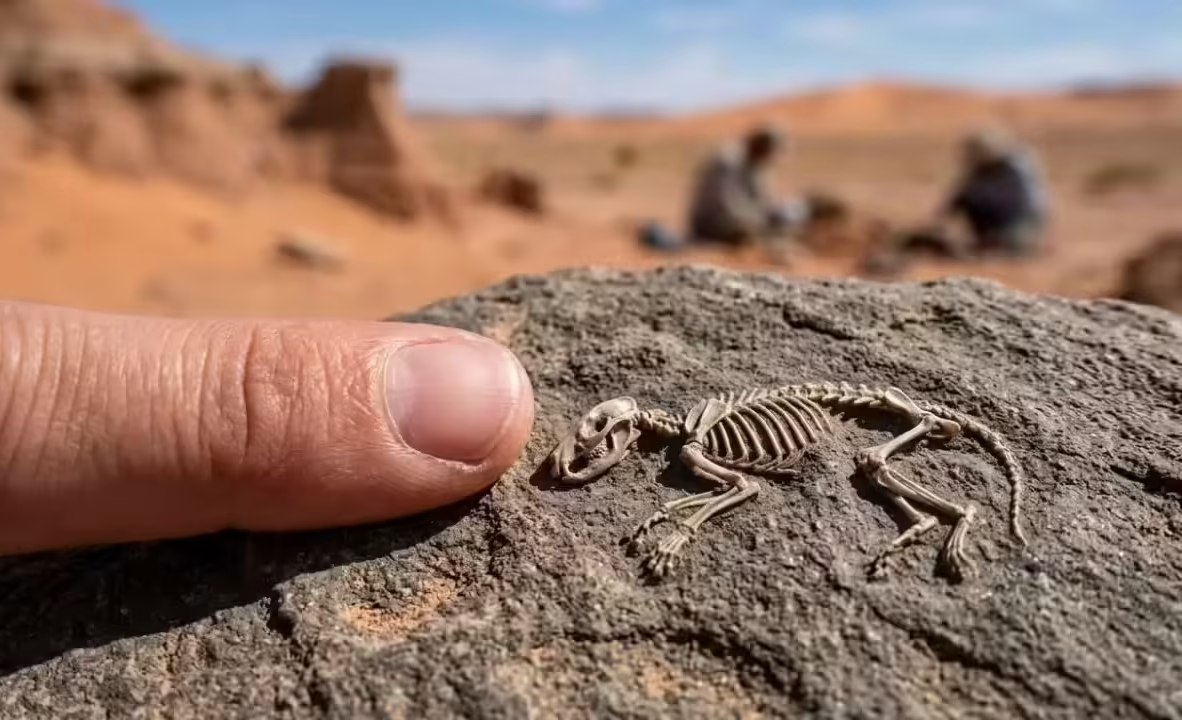
Gobi Desert Tiny Fossil Discovery has amazed scientists with a very small but important fossil found in Mongolia. The fossil is only one centimetre long and was discovered in the Ukhaa Tolgod region. Experts believe it is one of the earliest known micro-mammals from the Late Cretaceous period.
Thank you for reading this post, don't forget to subscribe!A Rare and Valuable Fossil
This tiny fossil is special because it is complete and well preserved. Usually, small bones break down over time, but this one stayed intact for millions of years. The animal looked like a small insect-eating creature, similar to a shrew. It lived at the same time as dinosaurs like Velociraptor.
How the Fossil Was Preserved
Scientists say the fossil survived due to a natural process called long-term drying of the region. Millions of years ago, the Gobi area became very dry. Strong sandstorms quickly buried small animals under fine sand. This protected their bodies from damage and helped preserve them like a natural time capsule.
What Gobi Desert Tiny Fossil Discovery Teaches Scientists
This discovery gives new information about how early mammals lived and survived. These small animals adapted to dry and harsh conditions. They were able to live with very little water and find food in tough environments. The fossil also helps scientists understand how ancient animals reacted to climate changes.
Modern Technology Helps Study
Because the fossil is so tiny, scientists cannot study it using normal tools. Instead, they use advanced micro-CT scanning. This creates a detailed 3D digital model of the fossil. Researchers can study its teeth, bones, and inner parts without damaging it. This method also allows scientists around the world to examine the fossil easily.
Why This Discovery Matters
The Gobi Desert is already famous for dinosaur fossils, but this finding shows it also holds important clues about early mammals. It helps scientists learn more about life on Earth millions of years ago and how species changed over time.