


Bulbul Can Sing (2018): A Story of Hope from Assam

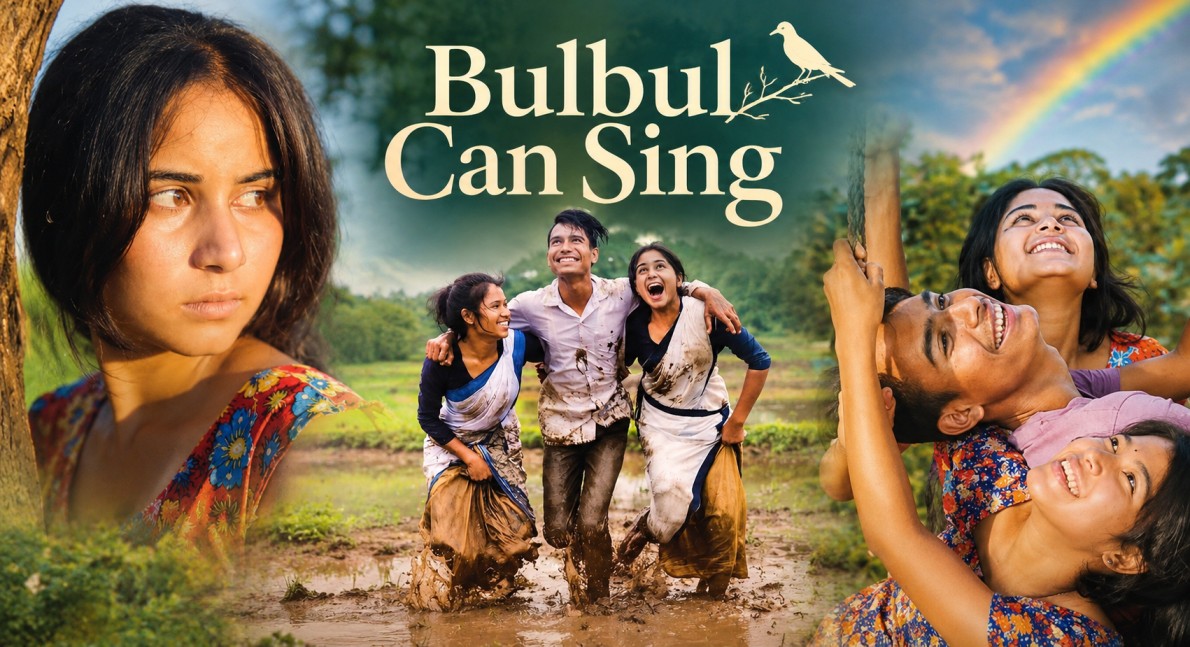
Bulbul Can Sing is a 2018 Assamese-language drama film that explores teenage life, friendship, identity, love and the pressure of social expectations. Directed by Rima Das, the film tells the story of three teenagers growing up in a small village in Assam. As they enter adolescence, they begin to understand their feelings and discover who they really are. However, their personal journeys become difficult when they face traditional beliefs and social restrictions.
The film received national and international recognition for its realistic storytelling and sensitive portrayal of rural life. It won the National Film Award for Best Feature Film in Assamese at the 66th National Film Awards. Through its simple storytelling, natural performances and beautiful village setting, the film presents a meaningful message about self-acceptance and freedom.

Bulbul Can Sing: Film Details
Bulbul Can Sing was written, directed, produced, filmed and edited by Rima Das. Unlike many mainstream productions, the film was made with a small team and features several non-professional actors. Its natural performances and realistic locations give the story an authentic atmosphere.
| Film Information | Details |
|---|---|
| Film Name | Bulbul Can Sing |
| Release Year | 2018 |
| Director | Rima Das |
| Writer | Rima Das |
| Production Company | Flying River Films |
| Cinematography | Rima Das |
| Editing | Rima Das |
| Music | Dotora, Kabindra Patowary |
| Language | Assamese |
| Country | India |
| Runtime | 95 minutes |
| World Premiere | 7 September 2018 |
| Indian Release | 20 September 2019 |
| Genre | Drama |

Story of Three Teenage Friends
The film follows three close friends, Bulbul, Bonny and Suman, who live in Kalardiya village near Chaygaon in Assam. They share a strong friendship and spend much of their time together. Like other teenagers, they enjoy exploring their surroundings, experiencing new emotions and understanding their place in the world.
However, their experiences become complicated as they grow older. They begin to face questions about love, attraction, gender identity and the expectations placed on them by their community.
Bulbul starts experiencing romantic feelings for a boy. Her friend Bonny also faces the challenges of teenage relationships and the pressure of society. Meanwhile, Suman struggles because his behaviour does not match the traditional expectations of masculinity. He becomes a target of bullying and finds it difficult to express himself freely.
Although their struggles are different, the three friends share a common desire to live life on their own terms. Their experiences reveal how difficult it can be for young people to understand themselves in an environment where society often decides how they should behave.
Rima Das and Her Unique Filmmaking Style
Rima Das is an Assamese filmmaker known for presenting stories rooted in rural life and ordinary human experiences. She was born and brought up in Assam, and her connection with village life is clearly visible in her films.
In Bulbul Can Sing, Das takes on several important filmmaking responsibilities. She works as the director, writer, producer, cinematographer and editor. This independent approach gives the film a personal and realistic style.
Her earlier film, Village Rockstars, also received international recognition and won the National Film Award for Best Feature Film. With Bulbul Can Sing, she continued exploring the lives, dreams and challenges of young people in rural Assam.
The use of natural locations, everyday conversations and non-professional actors makes the film feel close to real life. Instead of depending on dramatic scenes or commercial entertainment, Das allows the characters and their emotions to guide the story.
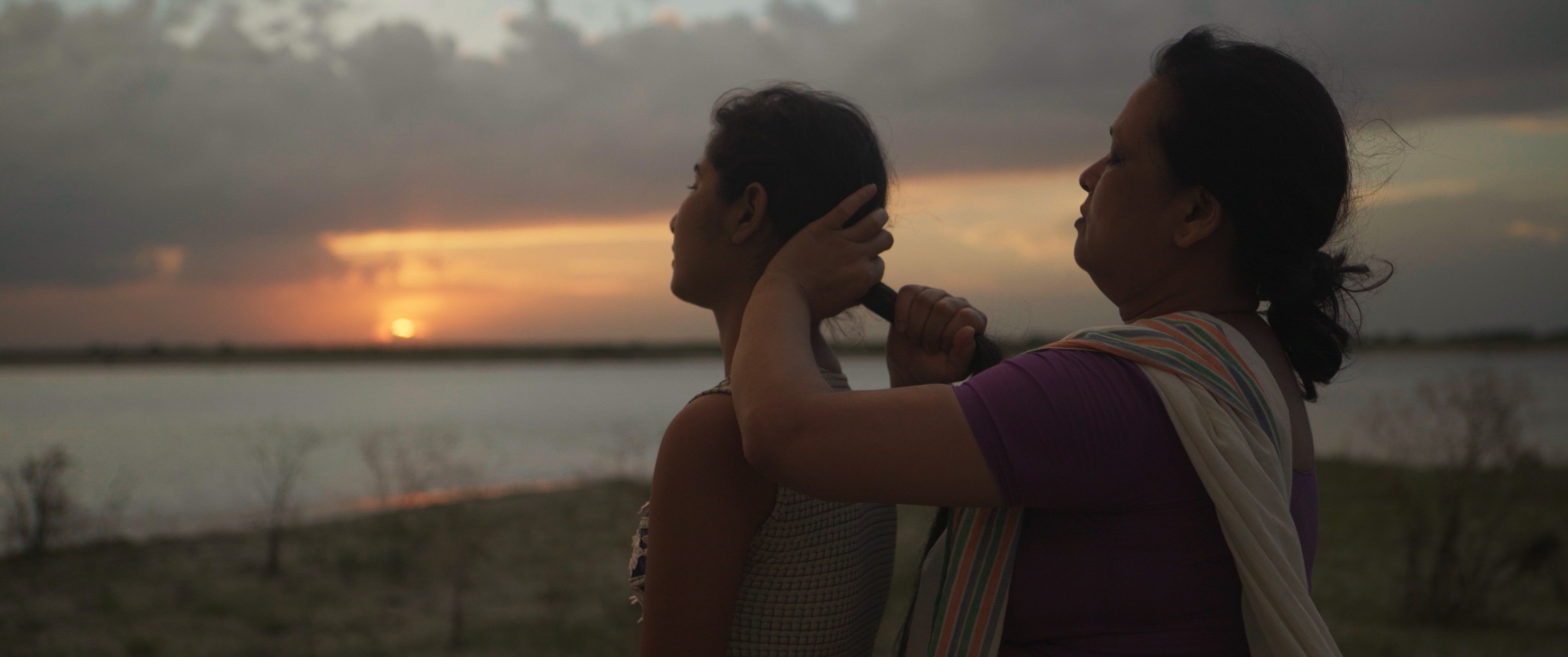
Major Themes of the Film
Friendship and Teenage Life
Friendship is one of the central themes of the film. Bulbul, Bonny and Suman support each other while dealing with the difficulties of growing up. Their friendship shows how important emotional support can be during adolescence.
Gender Identity and Social Expectations
The film highlights how society often creates strict ideas about masculinity and femininity. Suman faces bullying because he does not behave according to traditional expectations of how a boy should act.
His experiences raise important questions about individual identity, acceptance and the freedom to express oneself.
Patriarchy and Freedom
Bulbul faces restrictions on her behaviour, clothing and choices because of traditional social beliefs. The film shows how girls are often expected to behave in particular ways while boys are given different freedoms.
Through Bulbul’s journey, Rima Das explores the importance of personal choice and independence.
Self-Acceptance
The characters gradually understand that they cannot always live according to other people’s expectations. Their experiences show that accepting oneself is an important part of growing up.
Music of Bulbul Can Sing
Music plays an important role in creating the emotional atmosphere of Bulbul Can Sing. The film credits Dotora and Kabindra Patowary for its music. Rather than depending on a commercial soundtrack filled with elaborate songs, the film uses music and singing in a way that connects with its rural setting and central character.
Singing is particularly important to Bulbul’s journey. Her father dreams of seeing her become a singer, but she initially struggles with confidence and expressing herself. As the story develops, singing becomes a symbol of courage, freedom and self-expression.
The film’s title also carries a deeper meaning. A bulbul is a songbird known for its melodious voice. Similarly, Bulbul’s ability to sing represents her growing confidence and willingness to express her true feelings. Her journey makes music an important part of the film’s emotional message.
Awards and International Recognition
Bulbul Can Sing received appreciation at several national and international film festivals. Its biggest achievement was winning the National Film Award for Best Feature Film in Assamese at the 66th National Film Awards.
The film also received recognition at the Berlin International Film Festival and other international events.
| Award or Festival | Category | Result |
|---|---|---|
| 66th National Film Awards | Best Feature Film in Assamese | Won |
| Jio MAMI Film Festival 2018 | India Gold – Golden Gateway | Won |
| Berlin International Film Festival 2019 | Special Mention – Generation 14plus | Won |
| Dublin International Film Festival 2019 | Best Director – Rima Das | Won |
| Osaka Asian Film Festival 2019 | Jury Special Mention | Won |
| Prag Cine Awards 2019 | Best Film | Won |
| Indian Film Festival of Melbourne 2019 | Best Indie Film | Won |
| 10th Jagran Film Festival | Best Director – Rima Das | Won |
| Singapore International Film Festival 2018 | Best Asian Feature Film | Nominated |
| 13th Asian Film Awards | Best New Director – Rima Das | Nominated |
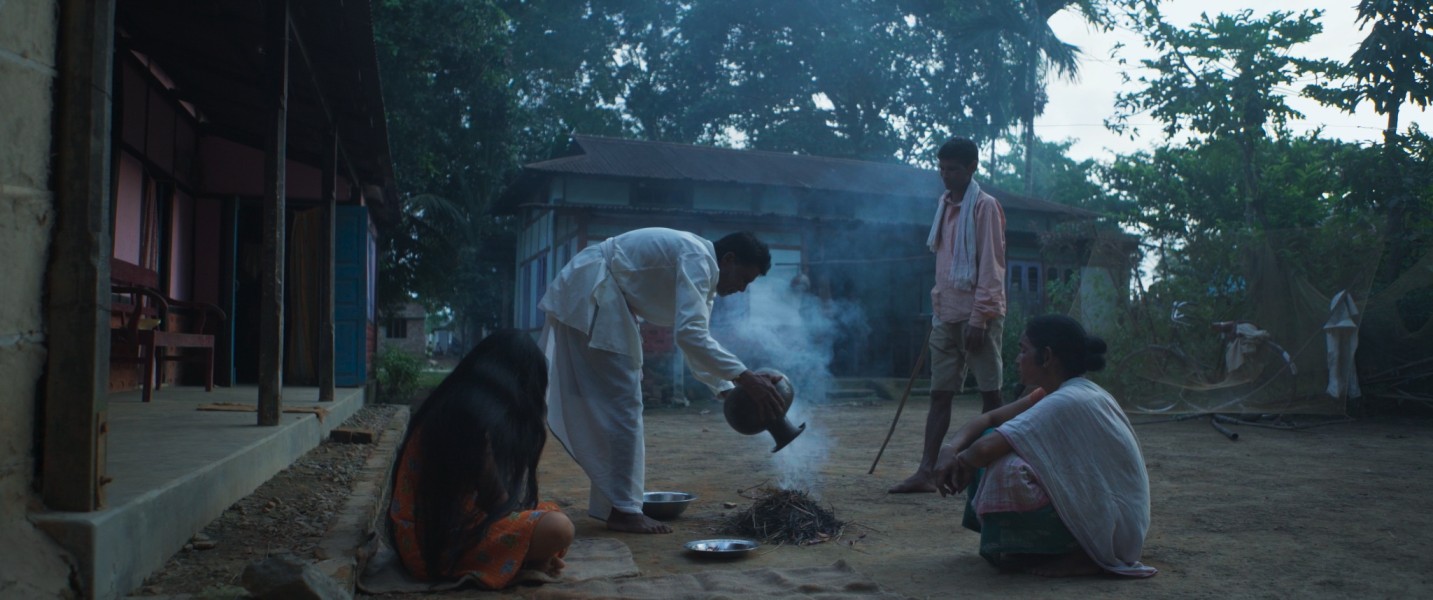
Why Bulbul Can Sing Is an Important Assamese Film
Bulbul Can Sing is an important film because it brings attention to stories that are not always represented in mainstream Indian cinema. It explores the everyday experiences of teenagers living in rural Assam and presents their struggles without making the characters feel unrealistic.
The film also highlights the importance of regional cinema in telling stories about local communities, cultures and social experiences. Its international recognition helped bring Assamese cinema to a wider audience.
The natural acting, village locations and sensitive storytelling make it a memorable work in contemporary Assamese cinema.
Conclusion
Bulbul Can Sing is more than a coming-of-age drama. It is a story about friendship, identity, courage and the freedom to make personal choices. Through the experiences of Bulbul, Bonny and Suman, Rima Das highlights the difficulties young people face when their dreams and identities do not match society’s expectations.
The film’s message of self-acceptance and hope makes it meaningful beyond its rural Assamese setting. Its National Film Award and international recognition also reflect its contribution to Indian regional cinema.
FAQs
1. Who directed Bulbul Can Sing?
Bulbul Can Sing was written and directed by Assamese filmmaker Rima Das.
2. When was Bulbul Can Sing released?
The film premiered at the Toronto International Film Festival on 7 September 2018. It was released in India on 20 September 2019.
3. What is the story of Bulbul Can Sing about?
The film follows three teenage friends, Bulbul, Bonny and Suman, as they deal with friendship, love, identity and social expectations while growing up in a village in Assam.
4. Who are the main actors in Bulbul Can Sing?
The main cast includes Arnali Das as Bulbul, Banita Thakuriya as Bonny and Manoranjan Das as Suman.
5. Did Bulbul Can Sing win a National Film Award?
Yes. It won the National Film Award for Best Feature Film in Assamese at the 66th National Film Awards.