



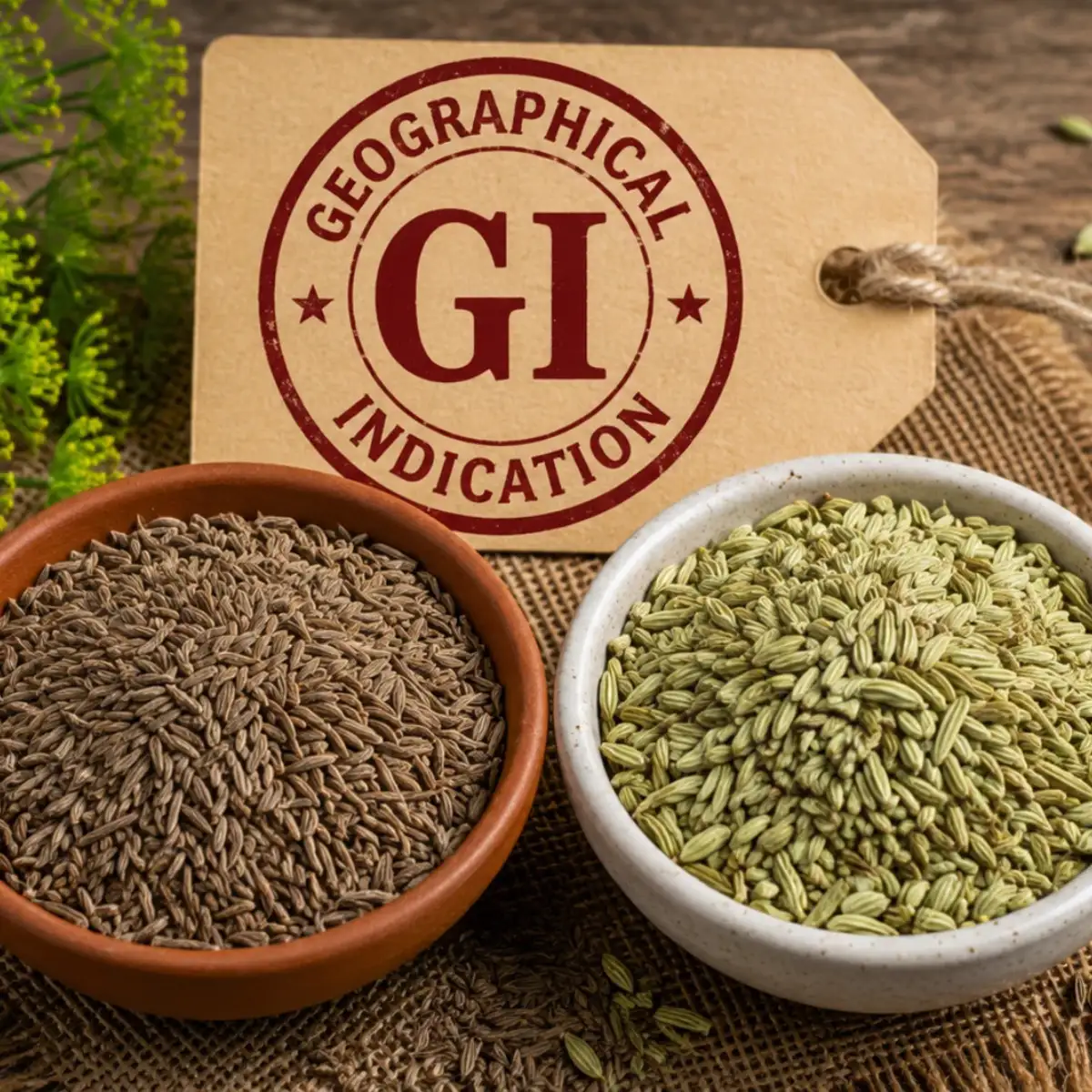
Unjha Cumin GI Tag Boosts Gujarat Spices

Unjha Cumin GI Tag has become an important achievement for Gujarat’s agricultural sector. Along with Unjha Fennel (Variyali), the famous spices from North Gujarat have officially received the Geographical Indication (GI) tag from the Geographical Indications Registry of India. The certificates were issued on 28 March 2026, and the registration was granted in the name of the Unjha Agriculture Produce Market Committee (APMC), Unjha, under Class 30, which includes spices and other food products. This recognition helps protect the identity of these well-known spices while increasing their value in both Indian and global markets.
Unjha’s Long History as a Spice Hub
Unjha, located in North Gujarat, has been one of India’s largest trading centers for spices for many years. Farmers from different parts of Gujarat and nearby states bring their cumin and fennel to Unjha for sale. The town is well known for its organized agricultural market and quality spice production.

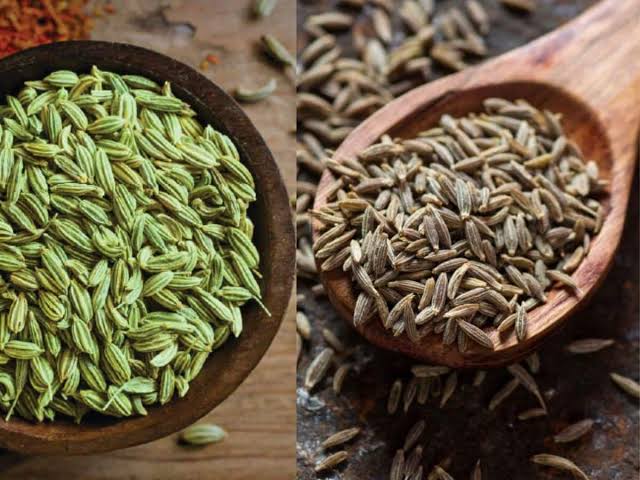
Cumin, commonly known as Jeera, and fennel, called Variyali, are widely used in Indian kitchens. Their unique taste, aroma, and quality have made them popular not only across India but also in many international markets.
Because of this strong reputation, these products have now received official recognition through the GI tag.
What is a GI Tag?
A Geographical Indication (GI) tag is a special mark given to products that come from a specific place and have qualities or a reputation connected with that location.
The GI tag protects the product from being copied or falsely sold under the same name by producers from other regions. It also helps customers identify genuine products.
In India, GI registration is managed under the Geographical Indications of Goods (Registration and Protection) Act, 1999. The registry works under the Department for Promotion of Industry and Internal Trade (DPIIT).
The system supports agricultural products, handicrafts, food products, and manufactured goods that have a strong link with their place of origin.
Why the GI Tag Matters
The GI tag offers several important benefits for farmers, traders, and consumers.
Some major advantages include:
- Protects the original identity of the product.
- Prevents misuse of the product name.
- Increases customer trust.
- Improves branding in domestic and international markets.
- Helps farmers receive better prices.
- Encourages exports by proving the product’s origin.
- Preserves traditional farming practices.
For Unjha farmers, the GI tag creates an opportunity to market their spices as premium products with guaranteed quality and authenticity.
Registration Details
The GI certificates for both products were issued on 28 March 2026.
The registered owner is:
Unjha Agriculture Produce Market Committee (APMC), Unjha
The products have been registered under Class 30 of the Nice Classification system.
Class 30 includes food-related products such as:
- Spices
- Tea
- Coffee
- Flour
- Rice
- Cereals
- Bakery products
Since cumin and fennel are spices, they naturally fall under this category.
Growing Importance of Indian GI Products
India has been actively expanding its list of GI-tagged products over the past few years. Every new registration helps preserve traditional knowledge and strengthens local economies.
The number of GI-tagged agricultural products has continued to grow as different states identify unique crops that deserve legal protection.
Many state governments are also encouraging farmers to apply for GI recognition because it helps improve product value and creates better marketing opportunities.
Gujarat’s Expanding GI Portfolio
Gujarat already has several well-known GI-tagged agricultural products. These include:
- Gir Kesar Mango
- Bhalia Wheat
- Kachchhi Kharek
With the addition of Unjha Cumin and Unjha Fennel, Gujarat further strengthens its position as a producer of unique agricultural products.
Each GI tag highlights the state’s rich farming traditions and regional specialties.
India’s Famous GI-Tagged Food Products
India has many agricultural products that enjoy GI protection. Some of the most popular examples include:
- Darjeeling Tea from West Bengal
- Alphonso Mango from Maharashtra
- Nagpur Orange from Maharashtra
- Basmati Rice from the Indo-Gangetic region
- Kashmir Saffron from Jammu and Kashmir
- Tirupati Laddu from Andhra Pradesh
- Gir Kesar Mango from Gujarat
These products have gained recognition because their quality is closely connected with the regions where they are produced.
Support for Farmers and Local Economy
GI registration is not only about protecting names. It also supports rural development.
When products receive GI status, farmers often benefit from:
- Better market recognition.
- Higher demand.
- Premium pricing.
- Increased export opportunities.
- Protection from fake products.
For traders in Unjha, the new GI status can improve business by making it easier to promote these spices in international markets.
Rising Demand for Indian Spices
Indian spices continue to enjoy strong demand across the world. Countries in Asia, Europe, North America, and the Middle East import large quantities of Indian spices every year.
Global consumers are increasingly looking for authentic food products with clear origin and quality certification. GI registration helps meet this demand by providing proof that the product comes from its original region.
This trend has become even stronger in recent years as buyers focus more on food quality, traceability, and sustainable sourcing.
Better Branding for Exports
GI-certified products are easier to promote in international markets because they carry official recognition of their origin.
Exporters can use the GI label to highlight authenticity and regional identity, making Indian products more competitive.
With growing global interest in premium spices, the GI status of Unjha Cumin and Unjha Fennel can strengthen Gujarat’s presence in international spice trade.
The recognition also supports India’s broader efforts to promote traditional agricultural products through quality branding and geographical identity.
Current Focus on GI Products in India
In recent years, both the Central and State Governments have increased efforts to promote GI-tagged products through exhibitions, digital marketplaces, export promotion programs, and awareness campaigns.
Many producers are using online platforms and international trade fairs to introduce authentic Indian products to global buyers. The addition of Unjha Cumin and Unjha Fennel to India’s GI list reflects this growing focus on protecting regional specialties while creating new opportunities for farmers, traders, and exporters. As demand for certified and traceable food products continues to rise worldwide, GI registration is becoming an important tool for strengthening India’s agricultural economy.