

JPNSV Scheme Expansion in Uttar Pradesh

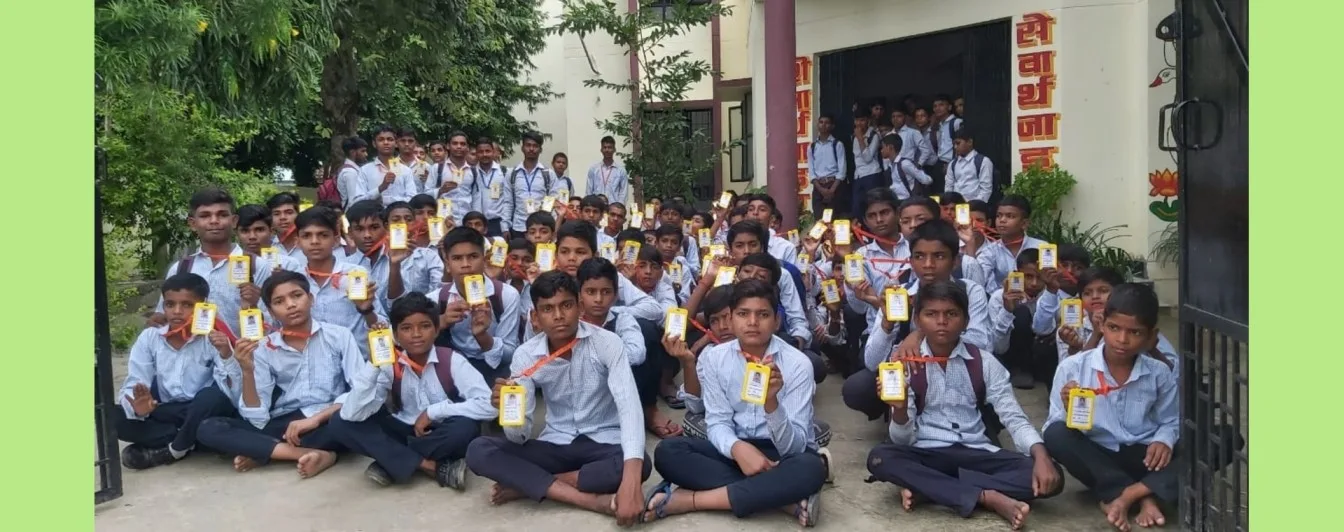
JPNSV Scheme Expansion is bringing new opportunities for students from low-income and disadvantaged families in Uttar Pradesh. The state government is strengthening the Jai Prakash Narayan Sarvodaya Vidyalaya (JPNSV) network, which provides completely free residential education. These schools offer not just academic learning but also full support including hostel stay, meals, books, uniforms, and other essentials.
Thank you for reading this post, don't forget to subscribe!This initiative is becoming important in today’s time when access to quality education is still a challenge for many families. By expanding such schemes, the government is trying to reduce inequality and ensure that every child gets a fair chance to learn and grow.
Growing Need for Residential Education
In many rural and economically weaker areas, students face difficulties in continuing their education due to lack of resources, distance from schools, or financial issues. Residential schools like JPNSV help solve these problems by providing a safe and supportive environment where students can focus fully on their studies.
With rising awareness about education and career opportunities, more families are now interested in such schemes. This has increased the need to expand the number of schools and improve facilities so that more students can benefit.
Structure of JPNSV Scheme Expansion
The JPNSV network currently includes over 100 residential schools across Uttar Pradesh. These schools are designed to support students from different social backgrounds, especially those who may not have access to quality education otherwise.
Separate schools are available for boys and girls, ensuring proper facilities and safety. The residential setup allows students to stay on campus, follow a structured routine, and receive guidance from teachers and staff throughout the year.
This model is helpful in building discipline, confidence, and a strong academic foundation among students.
Admission and Eligibility Criteria JPNSV Scheme Expansion
To get admission into these schools, students must be residents of Uttar Pradesh and should have completed their primary education. The scheme is mainly targeted at families with limited income, making it accessible to those who need it the most.
The application process is conducted online, making it easier for families to apply. After applying, students go through an entrance test to secure admission. This process ensures that deserving candidates are selected in a fair and transparent way.
The clear guidelines and structured admission system help maintain the quality and credibility of the scheme.
Reservation and Equal Opportunities
One of the key features of the JPNSV scheme is its focus on inclusive education. Seats are reserved for different social groups to ensure equal representation and access. This helps students from marginalized communities get better educational opportunities.
By providing free education along with necessary resources, the scheme reduces the financial burden on families. It also encourages students to continue their education instead of dropping out early due to economic pressure.
This approach supports social balance and helps create a more inclusive education system.
Academic Support and Career Preparation
Apart from regular school education, JPNSV schools also focus on preparing students for future careers. Senior students receive additional academic support, including coaching for major entrance exams.
This is especially important in today’s competitive environment where students need extra guidance to succeed. Providing such support within the school system makes it easier for students to prepare without additional expenses.
The scheme is gradually aligning with modern education trends by combining traditional learning with career-focused preparation.
Role of Government and Investment
The expansion of JPNSV schools reflects the government’s commitment to improving education. Uttar Pradesh has been increasing its investment in the education sector, aiming to provide better infrastructure, trained teachers, and modern facilities.
Efforts are also being made to reduce dropout rates and ensure that students stay in school longer. With better policies and consistent funding, the state is working towards building a stronger education system.
This focus on long-term development shows how education is being treated as a priority area.
Other Residential Education Models
Along with JPNSV, Uttar Pradesh is also working on other residential school models to reach more students. These include newly developed institutions that aim to provide similar benefits with updated infrastructure and learning methods.
The idea is to create multiple pathways for students from different backgrounds to access quality education. By expanding these models, the state is trying to cover more regions and communities.
This multi-model approach helps in addressing different educational needs across the state.
Impact on Students and Society
The expansion of the JPNSV scheme is expected to bring positive changes for students and their families. With access to free education and residential facilities, students can focus on learning without worrying about basic needs.
Over time, this can lead to better career opportunities, improved living standards, and stronger communities. Education plays a key role in social and economic development, and initiatives like this contribute to long-term progress.
In today’s fast-changing world, such schemes help bridge the gap between opportunity and access, giving more students the chance to succeed.