



Climate Resilient Village in Killai

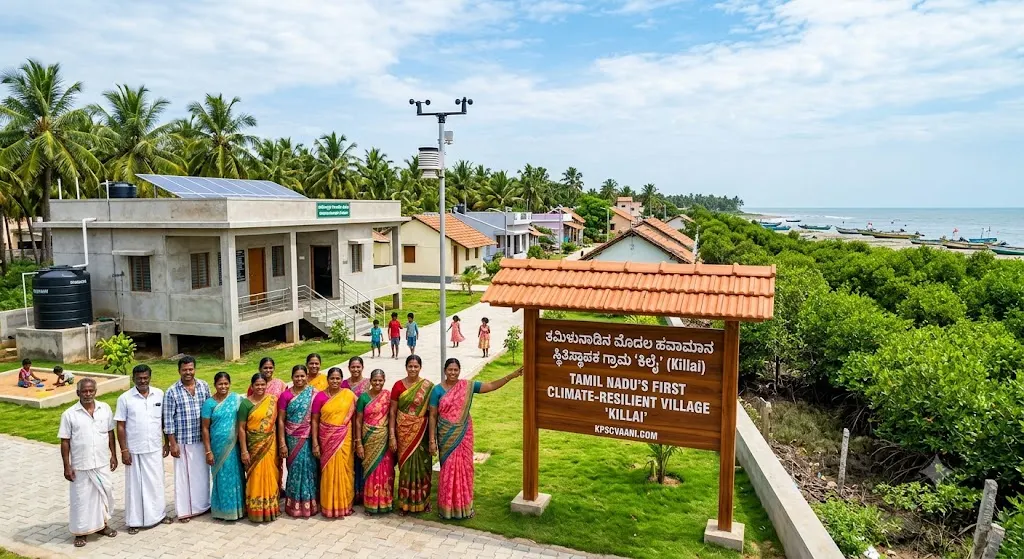
Climate Resilient Village has become a reality in Killai, a coastal village in Tamil Nadu’s Cuddalore district. On 22 July 2026, Killai officially became the state’s first fully operational Climate Resilient Village under the Tamil Nadu Climate Change Mission. The project focuses on protecting nature, improving the lives of local people, and preparing the village for the growing challenges of climate change. By combining ecosystem restoration, renewable energy, and community participation, Killai has become a model for sustainable village development in India.
As climate change continues to affect coastal regions through rising sea levels, stronger cyclones, and changing weather patterns, projects like Killai are becoming increasingly important for building safer and greener communities.

What Is a Climate Resilient Village?
A Climate Resilient Village is a community that is planned and developed to reduce the impact of climate change while protecting natural resources and supporting local livelihoods.
These villages use environmentally friendly solutions such as renewable energy, water conservation, mangrove restoration, and disaster preparedness. The goal is to help people adapt to changing weather conditions without harming the environment.
Climate-resilient villages also encourage local communities to take part in environmental protection and sustainable development.
Tamil Nadu’s Climate Change Mission
The Killai project was developed under the Tamil Nadu Climate Change Mission, which is managed by the Department of Environment and Climate Change.
The Climate Resilient Villages Programme was launched during 2022–23 as one of the state’s flagship environmental initiatives.
The programme currently covers 11 districts and includes 11 selected villages that are vulnerable to climate-related risks. Killai is the first village to complete the full implementation of the programme.
The initiative aims to reduce the impact of climate change while improving the quality of life for local residents.
Why Killai Was Chosen
Killai is located near the coast in Cuddalore district, making it highly vulnerable to natural disasters and environmental changes.
Some of the major climate challenges faced by the village include:
- Cyclones and strong storms.
- Rising sea levels.
- Coastal erosion.
- Saltwater entering freshwater sources.
- Loss of biodiversity.
- Damage to fishing livelihoods.
These challenges made Killai an ideal location for developing a climate-resilient model that could later be expanded to other coastal villages.
Major Development Work in Killai
The Climate Resilient Village project was completed at a cost of ₹230.15 lakh.
Funding came through the District Climate Change Mission along with support from Corporate Environmental Responsibility (CER) initiatives.
One of the biggest parts of the project was the restoration of a 3-kilometre stretch of the Buckingham Canal, which was completed on 14 March 2026.
The canal restoration included:
- Removal of accumulated silt.
- Cleaning plastic waste.
- Improving water flow.
- Restoring nearby ecosystems.
The cleaner canal is expected to improve water quality and reduce environmental damage in the surrounding areas.
Mangrove Restoration Strengthens Coastal Protection
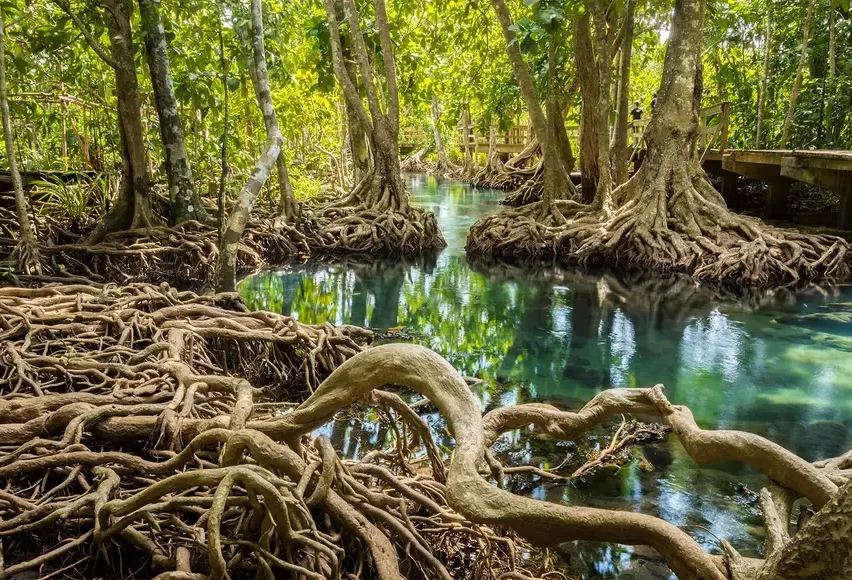
Mangrove forests play a major role in protecting coastal areas from storms and erosion.
As part of the project, more than 3,000 native mangrove saplings were planted around Killai.
Mangroves help by:
- Reducing the force of sea waves.
- Preventing coastal erosion.
- Protecting biodiversity.
- Providing habitats for fish and birds.
- Improving carbon storage.
Scientists around the world consider mangrove restoration one of the most effective natural solutions for climate adaptation in coastal regions.
Removal of Invasive Plant Species
Another important part of the project involved removing Prosopis juliflora, an invasive plant species found in many dry and coastal areas of India.
Although the plant grows quickly, it often spreads aggressively and reduces the growth of native plants.
Removing invasive species allows local vegetation to recover naturally and supports healthier ecosystems.
This restoration work helps improve biodiversity and creates better conditions for native wildlife.
Renewable Energy Brings Sustainable Growth
The Killai Climate Resilient Village project also focuses on clean energy.
Several renewable energy systems have been introduced across the village, including:
- Solar panels on public buildings.
- Solar-powered street lights.
- Solar parks.
- Solar dryers.
- Solar-powered cold storage facilities.
These systems reduce dependence on traditional energy sources and lower carbon emissions.
Solar-powered cold storage is especially useful for fishing communities, helping them preserve fish and reduce post-harvest losses.
Renewable energy also lowers electricity costs while supporting sustainable rural development.
Community Participation Is the Key
One of the strongest features of the Killai project is community involvement.
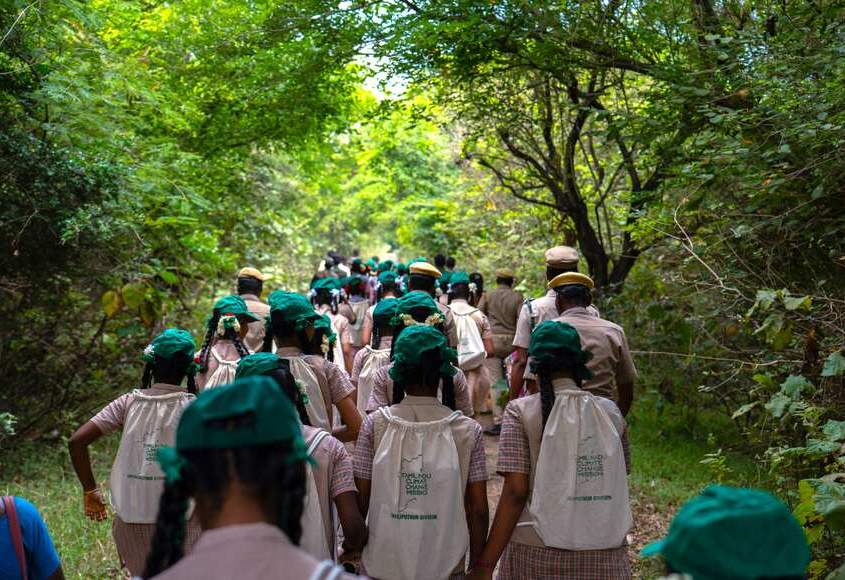
Local residents participated in environmental restoration activities, awareness programmes, and conservation efforts.
Community participation helps ensure that development projects remain effective over the long term.
When local people actively protect natural resources, villages become better prepared to deal with climate-related challenges.
Buckingham Canal and Its Importance
The Buckingham Canal is one of India’s longest artificial canal systems, stretching across parts of Tamil Nadu and Andhra Pradesh.
Historically, the canal served as an important transport route and waterway.
Today, restoring sections of the canal helps improve water movement, reduce pollution, and strengthen nearby ecosystems.
The restoration carried out in Killai is expected to benefit both the local environment and surrounding communities.
Climate Action Gains Importance Across India
India has been expanding its efforts to tackle climate change through renewable energy, coastal protection, and ecosystem restoration.
Many states are now investing in projects such as mangrove conservation, solar energy, rainwater harvesting, and sustainable agriculture to reduce climate risks.
The development of Killai as Tamil Nadu’s first fully operational Climate Resilient Village reflects this growing focus on protecting both people and nature.
With rising global temperatures, stronger weather events, and increasing environmental challenges, climate-resilient villages are becoming an important part of India’s long-term strategy for sustainable development and environmental protection.