



Saras MkII Aircraft Design Boosts India Aviation

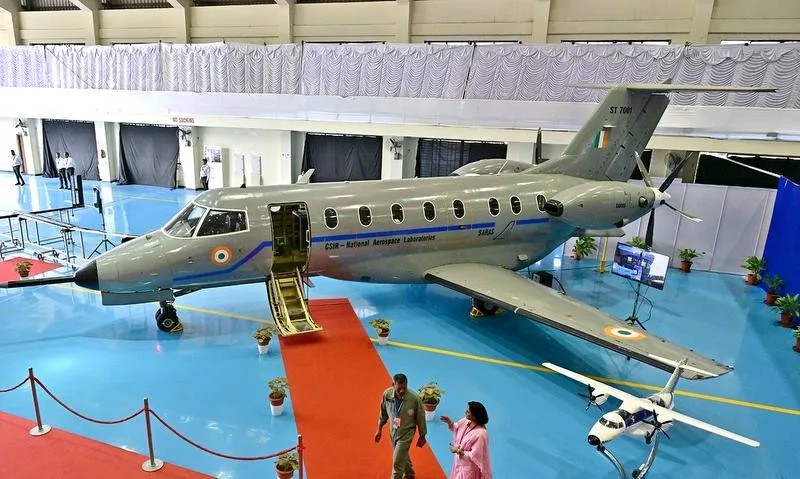
Saras MkII Aircraft has reached an important milestone as its design phase has been completed by CSIR-National Aerospace Laboratories in Bengaluru. This development highlights India’s growing capabilities in building its own aircraft for regional transport.
Thank you for reading this post, don't forget to subscribe!The project reflects a strong push towards self-reliance in aviation and aims to improve connectivity across smaller cities and towns.
Designed for Regional Connectivity
The Saras MkII Aircraft is a 19-seater light transport aircraft built for short-distance travel. It is specially designed to operate from smaller airports, making it suitable for regional routes.
This aligns with India’s efforts to improve air travel access in less connected areas. By using such aircraft, airlines can connect remote regions more efficiently.
Regional aviation is becoming increasingly important as more people choose faster travel options.
Modern Features and Technology
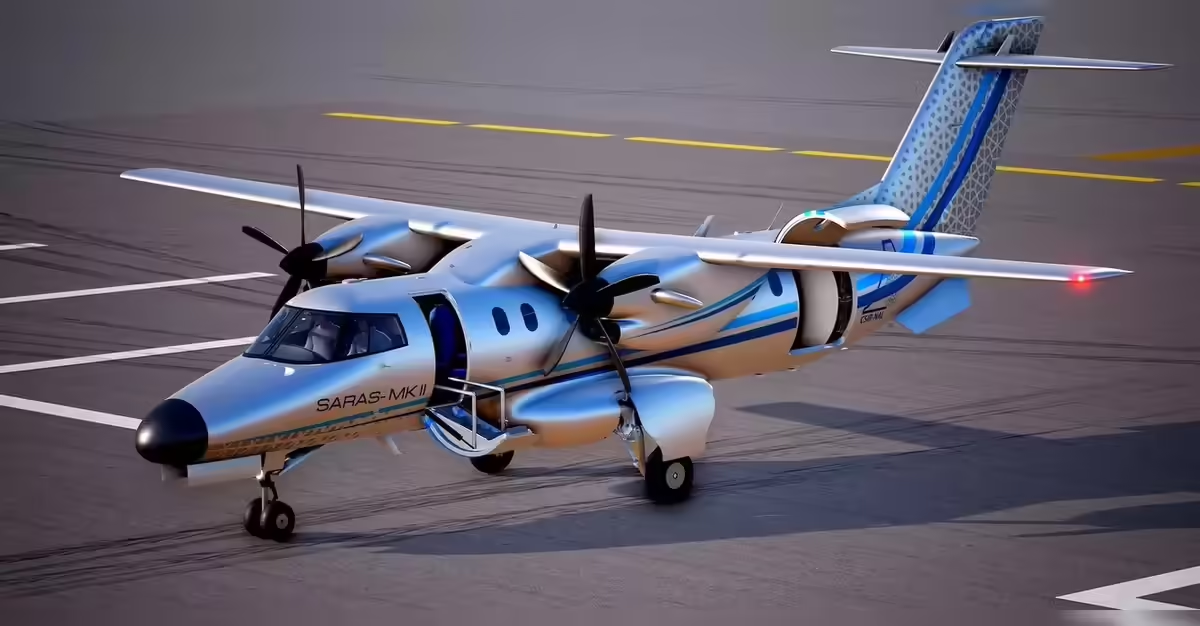
The Saras MkII Aircraft includes several modern features that place it among advanced light transport aircraft. It has a pressurised cabin, which ensures comfort during flights at higher altitudes.
It also comes with digital avionics and a glass cockpit, allowing pilots to access information through advanced display systems. Features like autopilot and command-by-wire controls improve safety and ease of operation.
These technologies show how India is adopting modern aviation standards in its aircraft design.
Role of CSIR-NAL in Development
The Saras MkII Aircraft has been developed by CSIR-National Aerospace Laboratories, a leading research organisation in the field of aerospace.
Based in Bengaluru, the organisation has played a key role in designing and testing aircraft systems. Its work supports India’s efforts to build strong capabilities in aviation research and manufacturing.
Such institutions are important for innovation and long-term growth in the aerospace sector.
Industry Collaboration and Manufacturing
The Saras MkII Aircraft project also involves collaboration with industry partners. Hindustan Aeronautics Limited is contributing to the production of key components.
Partnerships like these help combine research expertise with manufacturing strength. They also support the development of a complete aerospace ecosystem in the country.
The next phase of the project will focus on building prototypes and preparing for full-scale production.
Future Test Flights and Plans
The Saras MkII Aircraft is expected to undergo its first test flight in the coming years. This will be an important step in evaluating its performance and safety.
Test flights are a crucial part of aircraft development, as they help identify any improvements needed before commercial use.
Once approved, the aircraft could be used for both civil and special operations.
Interest from Defence Sector
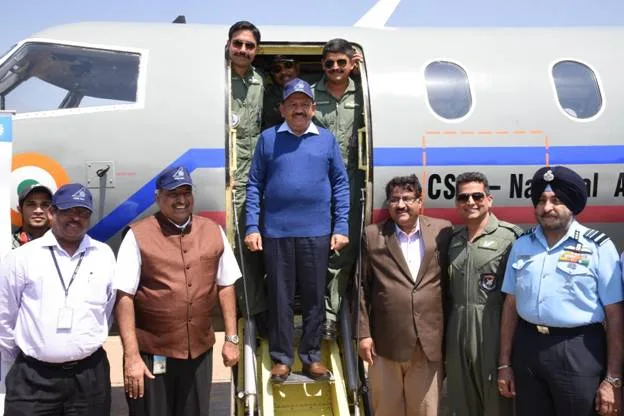
The Saras MkII Aircraft has also attracted interest from the Indian Air Force. The aircraft may be considered for future use after successful trials.
Its design makes it suitable for transport missions, especially in areas where larger aircraft cannot operate easily.
This dual-use potential adds to the importance of the project.
Boost to Indigenous Aviation
The Saras MkII Aircraft represents a step forward in India’s goal of developing indigenous technology. Building aircraft within the country reduces dependence on imports and strengthens local industries.
It also creates opportunities for engineers, technicians, and skilled workers in the aviation sector.
Such projects contribute to economic growth and technological advancement.
Link to Current Aviation Trends
The Saras MkII Aircraft comes at a time when the aviation industry is focusing on regional connectivity and efficient aircraft. Smaller planes are becoming more popular for short routes due to lower operating costs.
Governments and airlines are investing in such solutions to expand their networks. This trend supports the development of aircraft like Saras MkII.
Technology, sustainability, and cost efficiency are shaping the future of aviation.
Saras MkII Aircraft in Today’s Scenario
The Saras MkII Aircraft highlights how India is moving forward in the aerospace sector with modern design and strong partnerships. As the project progresses towards testing and production, it is expected to play a key role in regional air travel.
With continued innovation and support, such initiatives can transform the aviation landscape and create new opportunities for growth.