



India Jumping Spider Discovery Reveals New Species

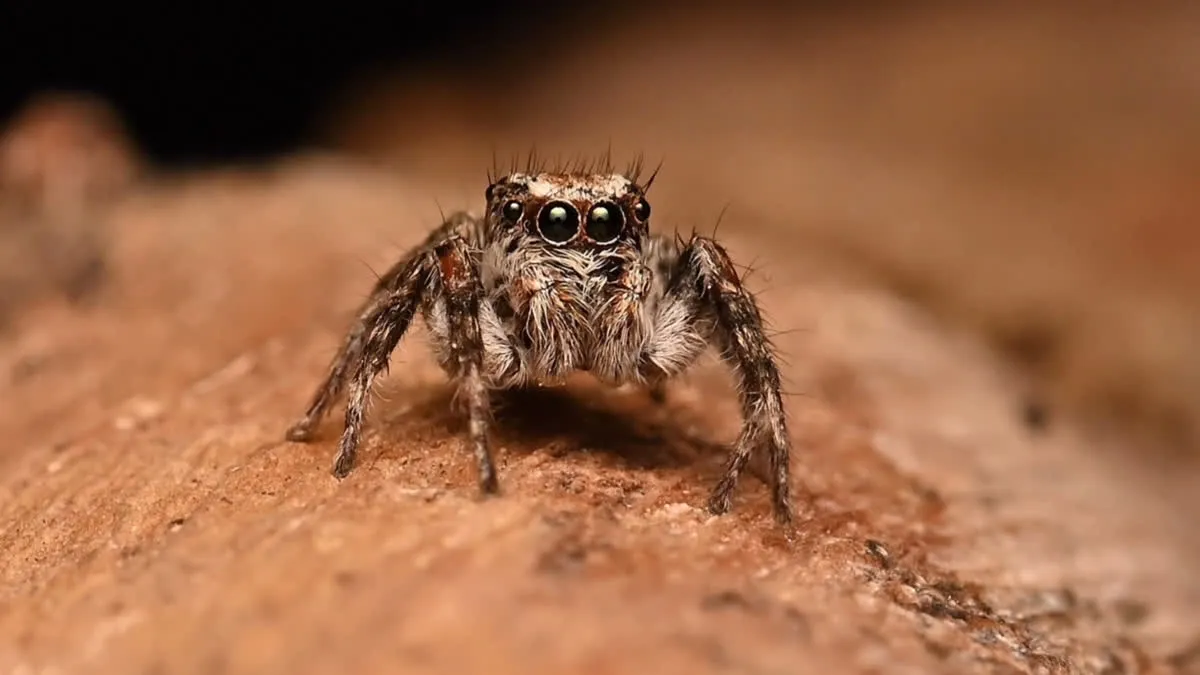
India Jumping Spider Discovery highlights an exciting step in understanding the country’s rich biodiversity. Researchers have discovered two new species of jumping spiders in India, showing that many unknown species still exist in both natural and urban environments.
Thank you for reading this post, don't forget to subscribe!Scientific Identification
The India Jumping Spider Discovery was confirmed through detailed scientific research published in the European Journal of Taxonomy. Scientists studied tiny features of the spiders, especially their reproductive organs, to identify them as new species. These spiders belong to the genus Mogrus, a group known for its unique traits.
Locations Found
The India Jumping Spider Discovery shows that different environments can support unique wildlife. One species, Mogrus shushka, was found in the dry regions of Rajasthan and Gujarat. The other species, Mogrus pune, was discovered in urban biodiversity parks in Maharashtra. This proves that even city green spaces can protect rare species.
India Jumping Spider Discovery: Physical Differences
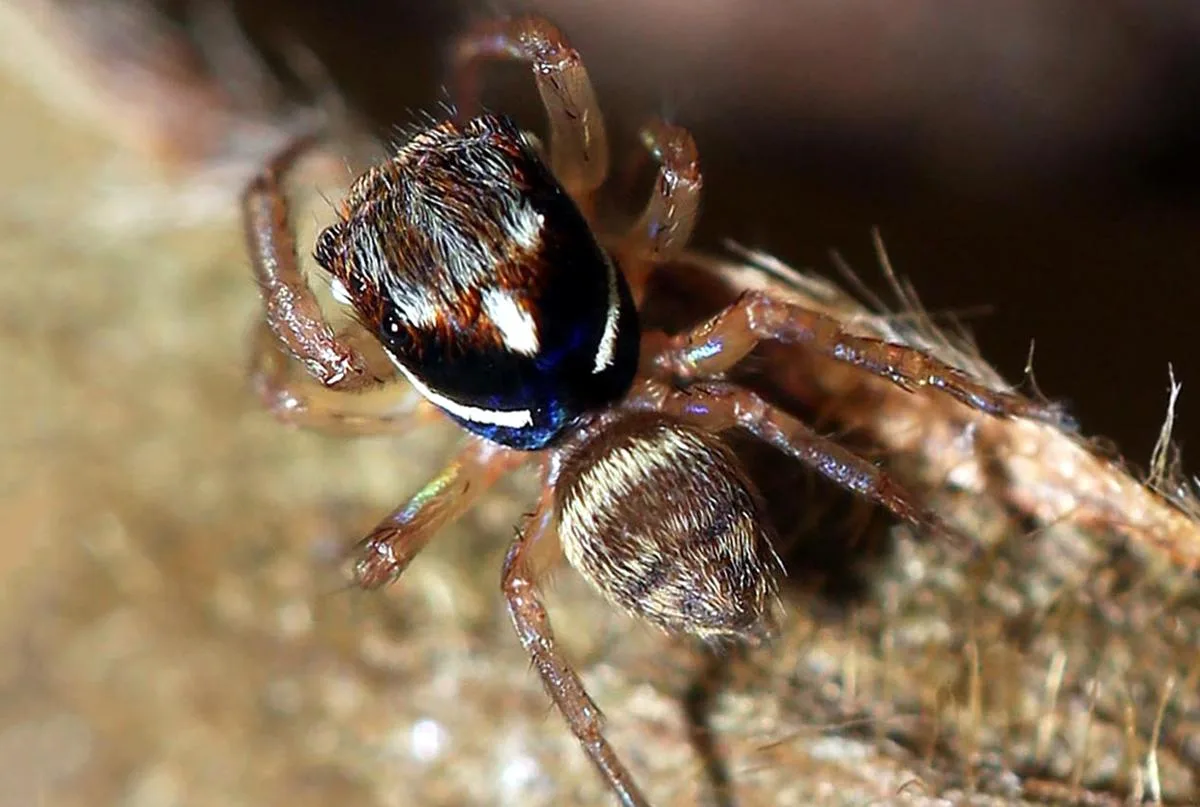
The India Jumping Spider Discovery also revealed differences between the two species. Although they look similar from the outside, their reproductive structures are different. One has a triangular shape, while the other has a curved or heart-like structure. These small details help scientists correctly identify species.
Role of Taxonomy
The India Jumping Spider Discovery highlights the importance of taxonomy, the science of classifying living organisms. Without detailed classification, it would be difficult to recognize new species. Jumping spiders belong to the Salticidae family, which is known for strong vision and active hunting behavior.
Importance for Conservation
The India Jumping Spider Discovery shows that many species are still unknown, even in common places like deserts and city parks. It reminds us that protecting small ecosystems, including urban green spaces, is very important. These areas help maintain ecological balance and support biodiversity.