



289M Reptile Fossil Discovery Reveals Ancient Skin Secrets

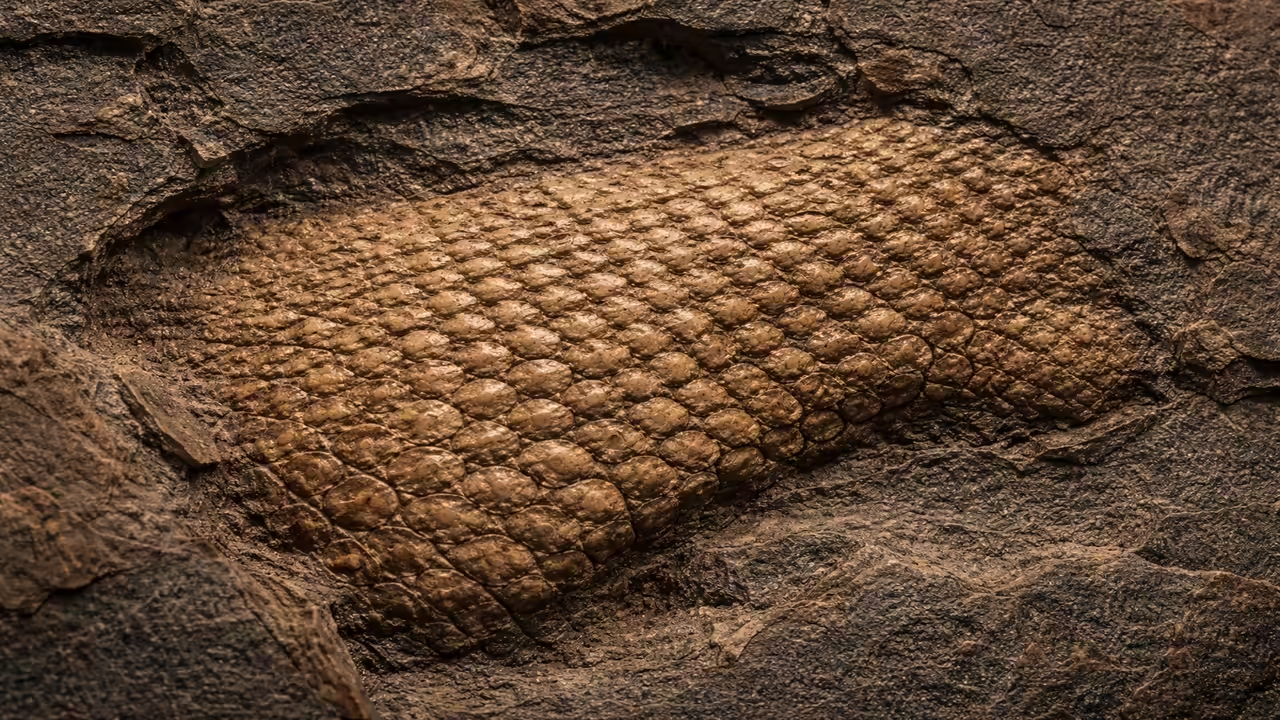
The 289M Reptile Fossil Discovery has surprised scientists around the world. A tiny piece of reptile skin, about 289 million years old, was found in Oklahoma. This fossil is now the oldest known reptile skin ever discovered, pushing back the history of skin evolution by more than 130 million years.
Thank you for reading this post, don't forget to subscribe!Discovery at Richards Spur Cave
The fossil was found in the Richards Spur cave system in Oklahoma by collectors Bill and Julie May. Later, a research team led by Ethan Mooney studied the sample.
Scientists believe the skin belonged to an early reptile similar to Captorhinus aguti. Even though the fossil is very small, it is extremely important because of its age and condition.
Rare Conditions Helped Preservation
The fossil survived because of special conditions inside the cave. Fine clay quickly covered the animal remains, protecting them. Low oxygen levels slowed decay, and natural oil helped preserve the skin like a mummy.
These rare conditions allowed scientists to see the epidermis, which is the outer layer of skin, in clear detail. Such preservation is very unusual in fossils.
What the Ancient Skin Shows
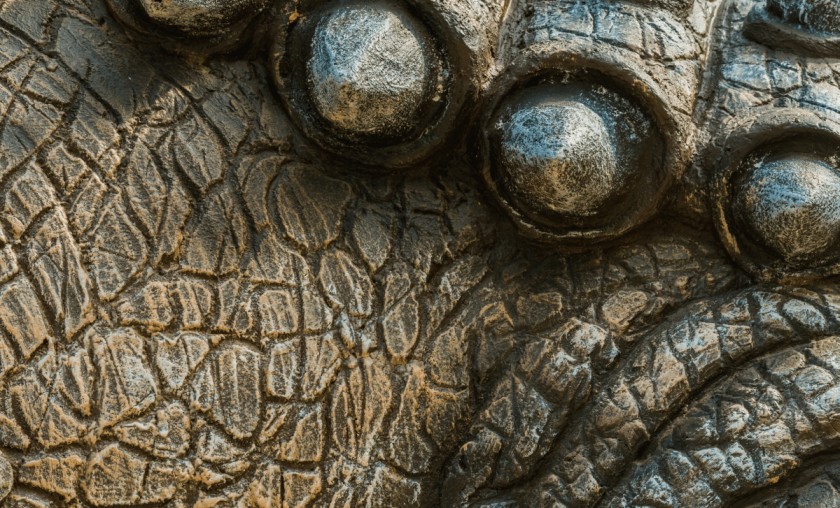
The fossil shows small, pebbled scales that do not overlap. These scales look similar to those of modern crocodiles. The skin also appears flexible, like that of snakes.
This suggests that early reptiles already had strong and adaptable skin. Such features helped them survive on land by protecting their bodies and preventing water loss.
289M Reptile Fossil Discovery Impact
The 289M Reptile Fossil Discovery gives important clues about how early reptiles adapted to life outside water. During the shift from the Carboniferous to the Permian period, animals needed better skin to survive on land.
This finding helps scientists understand how vertebrates evolved and adapted over time. It also shows that more hidden fossils may still exist in ancient cave systems.