Blind Caecilian Species Discovered Beneath Maharashtra’s Western Ghats

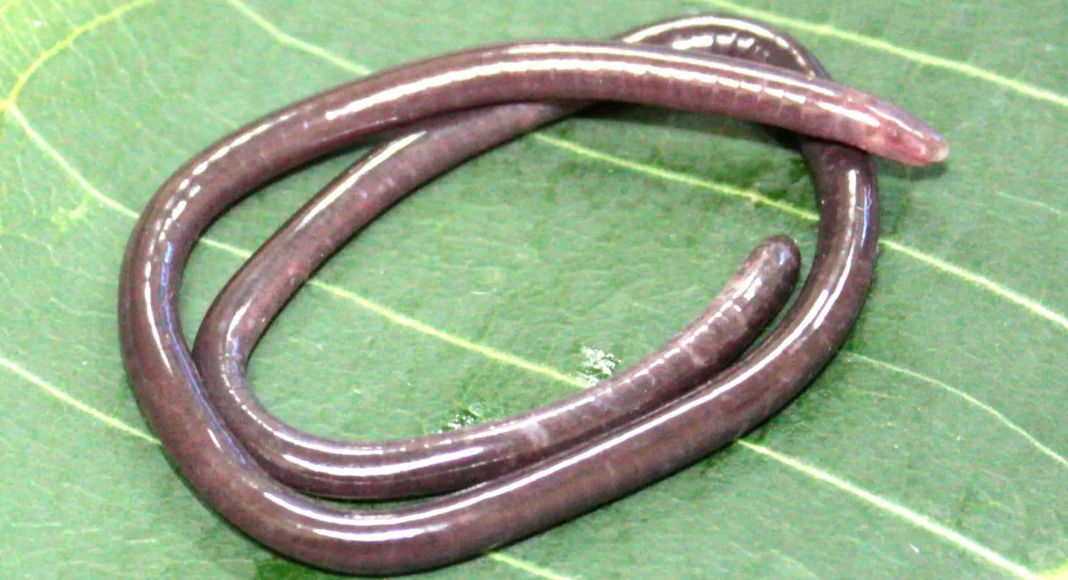
Blind Caecilian Species discovery in India has once again drawn attention to the hidden life beneath the soil of the Western Ghats. Scientists have identified a rare underground amphibian in Maharashtra, adding a fresh chapter to the country’s rich natural story. The newly described species, named Gegeneophis valmiki, was found in the northern part of the Western Ghats and has been documented by Indian researchers in an international scientific journal.
Thank you for reading this post, don't forget to subscribe!Blind Caecilian Species Found Beneath the Western Ghats
The discovery was made on the Valmiki Plateau in Satara district of Maharashtra, an area that forms part of the vast Western Ghats mountain range. Though the Western Ghats are well known for forests, rivers, and wildlife, much of the life below the ground remains unexplored. This blind caecilian species was first collected during field surveys in 2017, but careful study over several years was needed before scientists could confirm it as a new species.
The research team was led by experts from the Zoological Survey of India, along with scientists from other institutions. Their work shows that even regions close to human settlements can still hold unknown species, especially those that live hidden from sight.
Blind Caecilian Species and Its Secretive Lifestyle
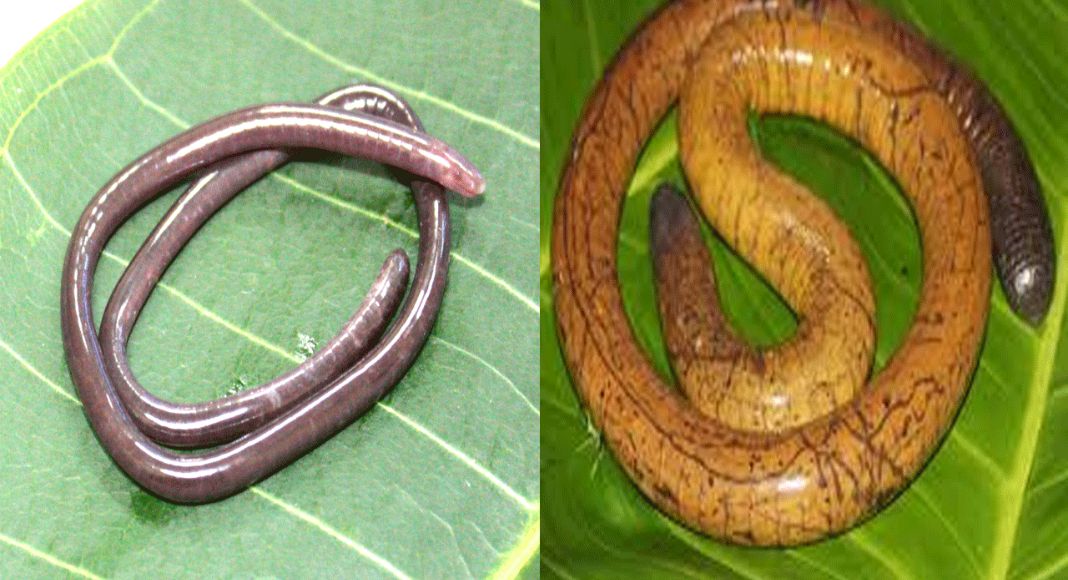
Blind caecilians are among the most mysterious amphibians in the world. They live almost entirely underground, moving through soil and leaf litter. Because of this hidden way of life, they are rarely seen and often misunderstood. Many people mistake them for earthworms or snakes due to their long, limbless bodies.
This blind caecilian species has very small eyes that are covered by skin and bone, making them nearly invisible. Vision is not important for these animals, as they rely on touch and smell to survive underground. Their bodies are perfectly shaped for digging, allowing them to move smoothly through the soil in search of food like insects and small invertebrates.
Why the Name Gegeneophis valmiki Matters
The species has been named Gegeneophis valmiki after the historic Maharshi Valmiki temple located near the place where it was found. Naming species after local landmarks or cultural figures helps connect scientific discoveries with regional heritage. It also highlights the close link between nature and culture in many parts of India.
According to scientists involved in the study, identifying such species is not easy. It requires patience, repeated field visits, and detailed comparison with other known species. Many blind caecilians look similar, so even small differences in body structure or internal features can be important.
What This Discovery Says About Northern Western Ghats
Most wildlife studies in the Western Ghats have focused on the southern regions. This blind caecilian species discovery shows that the northern plateaus are just as important. These flat-topped landscapes are often overlooked, but they support unique forms of life adapted to specific soil and climate conditions.
The finding suggests that many more unknown species may still be living underground in these areas. Protecting such habitats is important not just for visible animals and plants, but also for creatures that spend their lives hidden from view.
Growing Need to Protect Hidden Amphibians
Amphibians across the world are facing serious threats from habitat loss, pollution, climate change, and disease. Blind caecilians are especially vulnerable because they depend on healthy soil and undisturbed land. Once their habitat is damaged, they have little chance to escape or adapt.
Scientists warn that many species could disappear before they are even discovered. The identification of this blind caecilian species highlights the urgency of studying and protecting lesser-known ecosystems. It also reminds us that conservation is not only about large animals, but also about the small, silent creatures that play a role in keeping nature balanced.
The discovery of Gegeneophis valmiki is a quiet but powerful reminder that India’s underground world still holds many secrets, waiting patiently to be uncovered.