CSIR Skill Initiative Boosts Workforce: Science-Driven Training for a Stronger India

CSIR Skill Initiative Boosts Workforce by creating a powerful link between scientific research, industry needs and employable skills across India. The Council of Scientific and Industrial Research (CSIR) is implementing the CSIR Integrated Skill Initiative, a flagship national programme aimed at strengthening the country’s skilled workforce. By using its vast research infrastructure and nationwide laboratory network, CSIR is helping young people and professionals gain practical skills that match real-world demands.
Thank you for reading this post, don't forget to subscribe!This initiative is closely aligned with the national vision of Atmanirbhar Bharat and the Skill India mission. It reflects a shift from traditional, theory-heavy learning to a more balanced approach that combines science, technology and hands-on training. The focus is not only on employment, but also on innovation, entrepreneurship and long-term career growth.
Connecting Science, Skills and National Development
One of the most important features of the CSIR Integrated Skill Initiative is its strong connection between scientific research and skill development. Instead of treating skills as separate from research, the programme embeds training within active scientific ecosystems. This helps learners understand how knowledge is applied in laboratories, industries and field settings.
By doing so, CSIR is addressing a long-standing gap in India’s workforce system — the mismatch between academic learning and industry requirements. Many graduates have degrees but lack practical exposure. This initiative aims to change that by ensuring that skills are relevant, current and aligned with national priorities.
The programme also supports India’s broader goals of self-reliance and innovation-led growth. Skilled workers trained through scientific institutions are better equipped to contribute to advanced manufacturing, emerging technologies and sustainable development.
Inclusive Access for Diverse Beneficiaries
Another major strength of the CSIR Skill Initiative is its inclusive approach. According to official information, the programme is open to a wide range of beneficiaries. These include students, young researchers, technical staff and working professionals who want to upgrade their skills. At the same time, it also reaches out to school dropouts, ITI and diploma holders, farmers and rural communities.
This broad coverage ensures that skill development is not limited to urban or highly educated groups. By bringing rural citizens and underserved communities into the training ecosystem, CSIR is helping to reduce skill gaps and improve livelihood opportunities across regions.
Women’s participation has also been a key focus area. Special efforts have been made to encourage women to join skill programmes, helping them gain confidence, technical ability and better employment prospects.
Flexible Training Models and Hands-On Learning
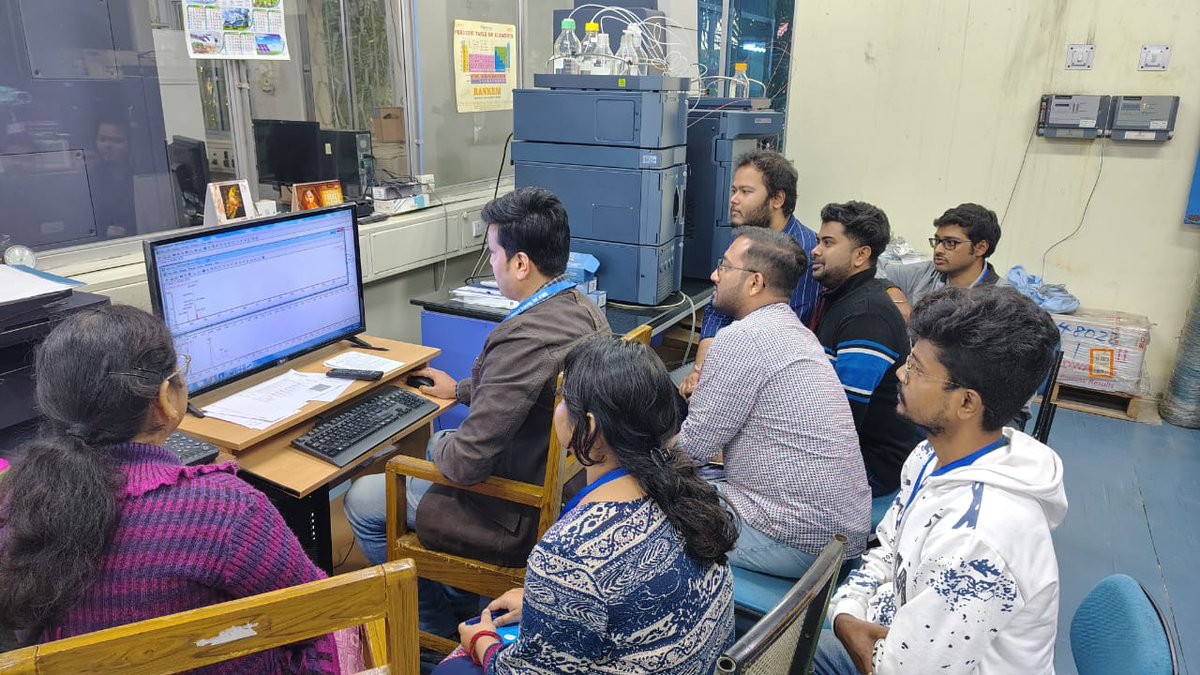
The CSIR Integrated Skill Initiative offers training through a variety of flexible formats. These include short-term and long-term training programmes, internships, certification courses and hands-on laboratory exposure. This flexibility allows learners to choose pathways that suit their educational background, career stage and personal goals.
Hands-on learning is a central pillar of the initiative. Participants get direct exposure to advanced laboratories, scientific equipment and real-life research environments. This practical experience helps them develop problem-solving skills and a deeper understanding of how science and technology are applied in industry and society.
Such training also supports entrepreneurship. Learners who gain practical and technical skills are better positioned to start their own ventures, develop products or offer specialised services.
Wide Sectoral Coverage for Emerging and Traditional Fields
The initiative currently covers 18 out of the 36 key sectoral skills identified under the National Skill Development Mission. These sectors span a wide range of traditional and emerging fields. They include aerospace and aviation, agriculture, automotive, construction, electronics, food processing, green jobs, healthcare, life sciences, textiles, IT and IT-enabled services.
By covering such diverse areas, the programme ensures that skill development keeps pace with changing economic and technological trends. For example, training in green jobs and life sciences supports sustainability and healthcare innovation, while skills in IT, electronics and aerospace prepare the workforce for future industries.
The emphasis across all sectors is on combining strong theoretical foundations with practical competencies. This balanced approach helps participants build long-term careers rather than short-term job readiness alone.
Strong Progress Across Phases
CSIR has reported significant progress under the initiative. During Phase I and Phase II, more than 1.90 lakh individuals were trained through over 5,200 skill-based programmes. These phases included focused efforts to reach rural populations and women, ensuring that benefits were widely shared.
Building on this success, Phase III of the CSIR Integrated Skill Initiative was launched in June 2025 by N Kalaiselvi, Director General of CSIR and Secretary of the Department of Scientific and Industrial Research (DSIR). The launch marked a renewed commitment to quality, scale and impact.
In its first year alone, Phase III has already trained over 14,000 participants through more than 425 programmes conducted across 37 CSIR laboratories. These numbers highlight both the reach and the operational strength of the initiative.
Institutional Support and Quality Focus
The CSIR-Human Resource Development Centre acts as the nodal office for the programme. It plays a key role in coordination, monitoring and impact evaluation. This institutional backing ensures that training programmes maintain high standards and remain aligned with industry and national needs.
Continuous monitoring also helps CSIR refine course content, improve delivery methods and respond to emerging skill requirements. The focus remains on relevance, quality and measurable outcomes rather than just numbers.
CSIR Skill Initiative Boosts Workforce for a Future-Ready India
Through the CSIR Integrated Skill Initiative, India is taking an important step towards building a future-ready workforce. By combining science, technology and skill development, the programme is preparing individuals to contribute meaningfully to the economy and society.
The initiative shows how public research institutions can play a direct role in workforce development. As industries evolve and new challenges emerge, such science-driven skill programmes are likely to play a crucial role in shaping India’s growth story and strengthening its human capital.