IGI Transshipment Cargo Network Expands

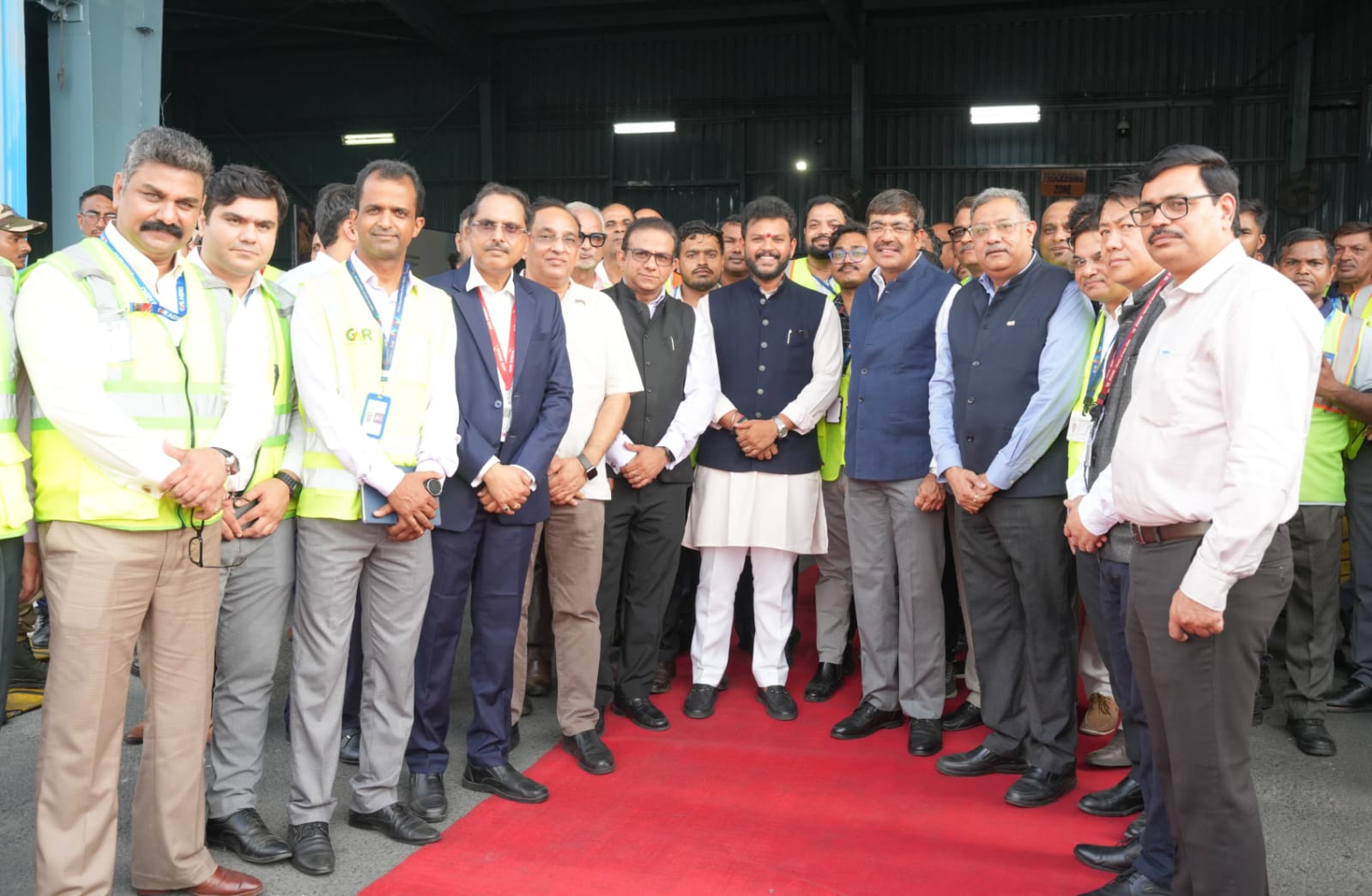
IGI Transshipment Cargo operations have been expanded at Indira Gandhi International Airport (IGI) in New Delhi, strengthening Delhi’s role as an important air-cargo connection point between Indian cities and international destinations. The expanded operations began on August 19, 2026, at the Transshipment Excellence Centre located at Terminal 2 of IGI Airport.
Thank you for reading this post, don't forget to subscribe!The new network connects four major Indian cargo-origin cities-Bengaluru, Ahmedabad, Mumbai and Hyderabad-with international destinations London and Copenhagen through Delhi. The move is expected to improve the movement of domestic cargo to international markets and make the overall air-freight process faster.
Delhi Airport Expands Cargo Connectivity
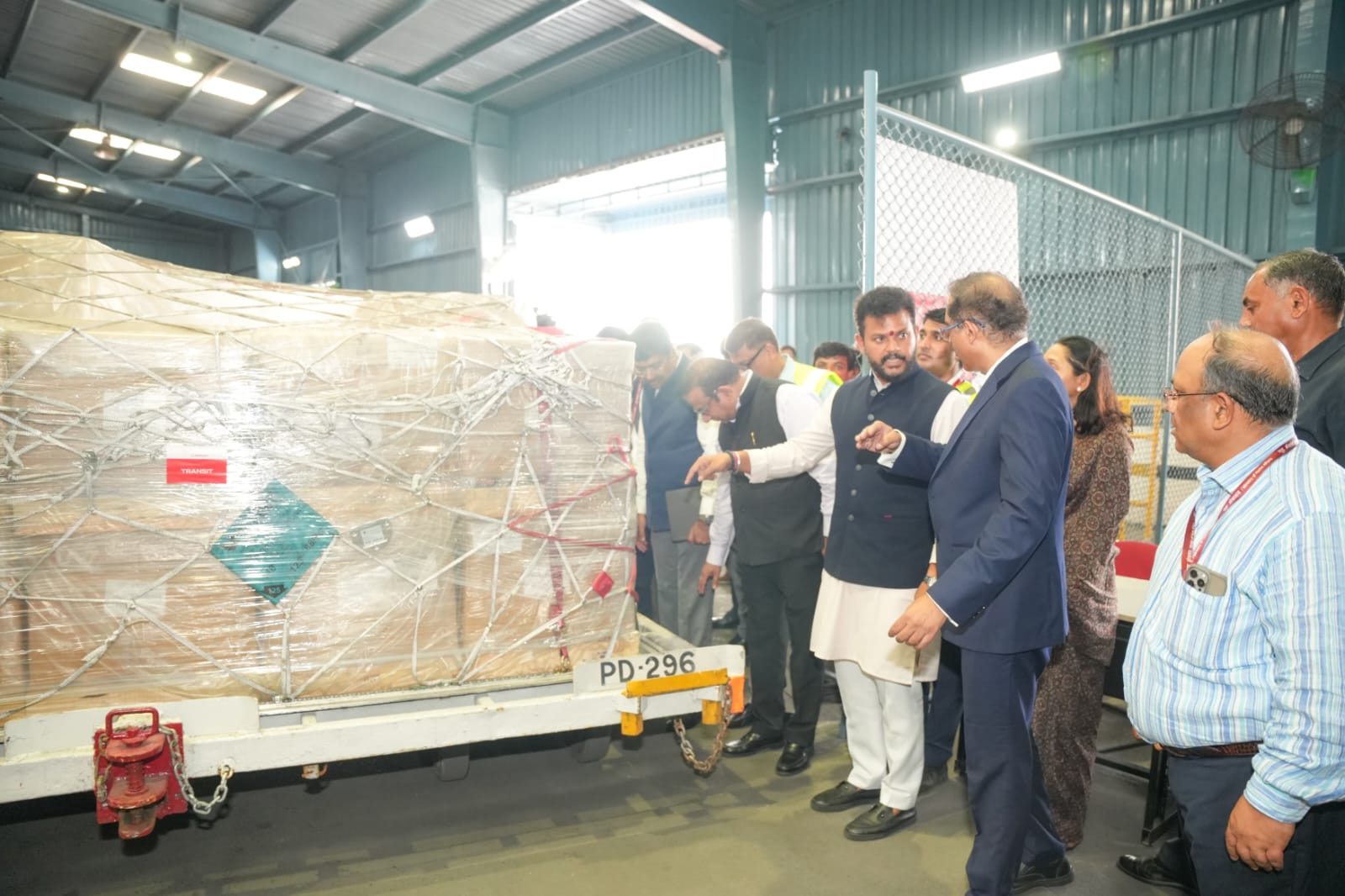
The expanded transshipment network is part of an effort to develop Delhi into a stronger air-cargo hub. Under the system, cargo collected from different Indian cities can be moved to Delhi and then transferred to international flights without requiring unnecessary handling at every stage.
Transshipment means that goods pass through an intermediate airport before reaching their final destination. In this case, Delhi acts as the connecting hub between domestic cargo stations and international destinations.
The initiative is being implemented through the Transshipment Excellence Centre at Terminal 2 of IGI Airport, which is operated by Delhi International Airport Limited.
Pilot Project Started in June
The current expansion follows a pilot project that began on June 20, 2026. Air India operated the pilot programme from end to end.
The initial proof-of-concept route was Chennai-Delhi-Frankfurt. During the pilot phase, around 280 metric tonnes of cargo were transshipped through the system.
The pilot also showed a significant improvement in aircraft capacity utilisation. According to the Ministry of Civil Aviation, utilisation increased from around 75% to nearly 100% during the trial.
The results of the pilot supported the decision to expand the network to additional domestic and international locations.
Cargo Capacity Expected to Rise
The expanded IGI Transshipment Cargo network is expected to significantly increase the amount of cargo carried by Air India on the connected routes.
Monthly cargo carriage on the relevant routes is projected to increase from around 1,763 metric tonnes to 3,183 metric tonnes. This represents an increase of nearly 80%.
The expansion provides Indian cargo operators and businesses with additional international connectivity. Goods from major manufacturing, commercial and logistics centres can be consolidated through Delhi before being sent to overseas markets.
Faster Cargo Movement Through Security Changes
One of the major changes behind the initiative is a revision to the cargo security process.
The Bureau of Civil Aviation Security (BCAS) revised the security framework to remove repeated X-ray screening at transit airports for cargo that has already been properly secured at its point of origin.
Earlier, cargo moving through a transit airport could face additional screening. Removing unnecessary re-screening can reduce handling time and help cargo move more quickly through the airport.
The Ministry of Civil Aviation said that the revised system reduced the cargo transit period from around 60 hours to 20 hours. Another government-related statement cited a reduction from approximately 50- 60 hours to around 17-20 hours.
Although the figures differ slightly, both statements indicate a major reduction in cargo processing time.
Four Indian Cities Connected to Global Destinations
The expanded network brings four important Indian aviation and business centres into the transshipment system.
Bengaluru is a major technology and manufacturing centre, while Mumbai is one of India’s biggest commercial and financial hubs. Ahmedabad has a strong manufacturing and industrial base, and Hyderabad is an important centre for technology, pharmaceuticals and other industries.
These cities will now have improved cargo connectivity through Delhi to London and Copenhagen.
Such connections can help businesses move goods internationally through a coordinated air-freight network instead of relying entirely on separate international cargo arrangements.
Air India’s Role in the Network
Air India is playing a central role in the transshipment programme. The airline operated the initial pilot and is expected to benefit from the higher cargo volumes created by the expanded network.
Better aircraft capacity utilisation can also help airlines make more efficient use of available cargo space. For exporters, faster transit and improved connectivity can be especially useful for goods that require timely delivery.
The development comes at a time when India is working to strengthen its logistics infrastructure and improve its position in global supply chains.
Delhi’s Growing Role as an Air Cargo Hub
The expansion of IGI Transshipment Cargo operations adds another layer to Delhi’s growing importance in India’s aviation and logistics network.
A successful transshipment system can help connect domestic cargo directly with international air routes. It can also reduce delays caused by repeated security procedures and handling at intermediate airports.
With the addition of Bengaluru, Ahmedabad, Mumbai and Hyderabad on the domestic side and London and Copenhagen internationally, the network now covers more major cargo routes.
The initiative is part of wider efforts to make India’s air-freight system more efficient, reduce cargo processing time and support the country’s growing international trade.