BRICS CBAM Dispute Grows Over EU Carbon Rules

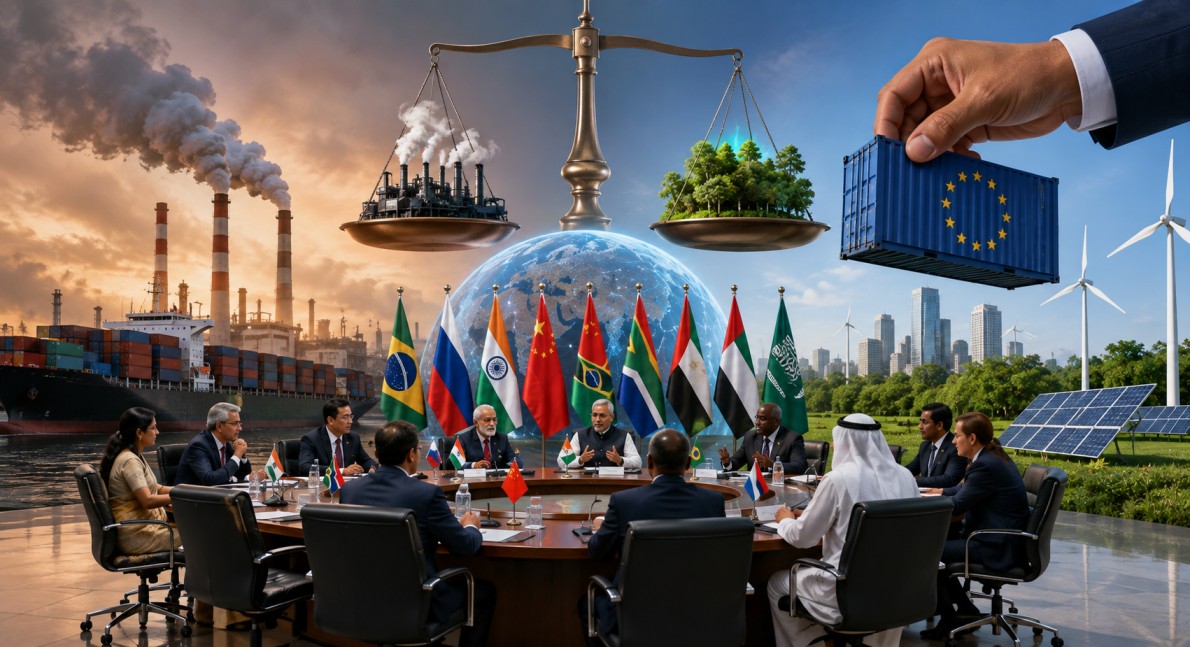
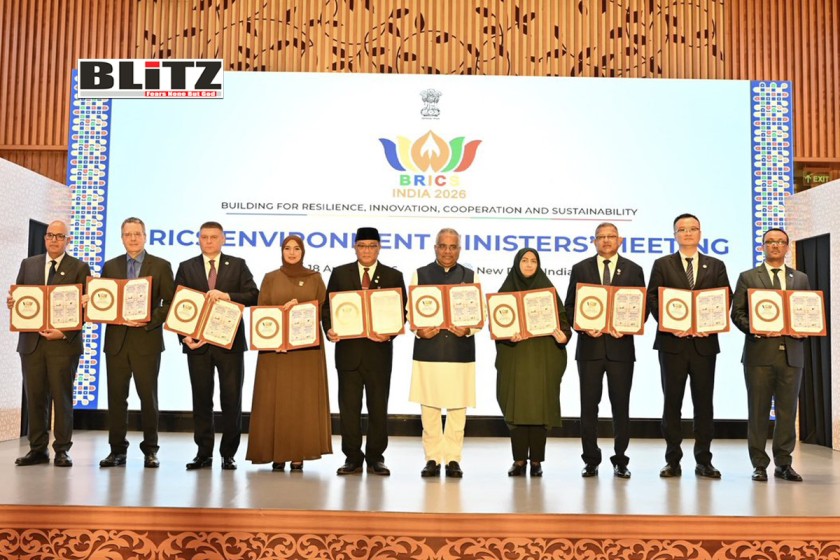
BRICS CBAM concerns have grown after environment ministers of the BRICS countries opposed the European Union’s Carbon Border Adjustment Mechanism (CBAM) at a meeting in New Delhi on 18 August 2026. The ministers adopted a Joint Ministerial Statement expressing concerns about the impact of carbon-related trade measures on developing economies. The issue connects climate policy with international trade and has become an important part of discussions between developed and developing countries.
Thank you for reading this post, don't forget to subscribe!BRICS Raises Concerns Over EU Carbon Policy
The BRICS environment ministers described CBAM as a unilateral trade measure linked to the carbon content of imported goods. The mechanism is part of the European Union’s wider plan to reduce greenhouse gas emissions and prevent industries from shifting production to regions with less strict climate rules.
Under CBAM, importers of certain carbon-intensive products entering the European Union are required to account for the emissions connected with those goods. The policy covers sectors such as iron and steel, aluminium, cement, fertilisers and electricity.
The BRICS position reflects concerns among developing economies that such measures could increase the cost of their exports and create additional pressure on industries that are still developing.
What Is the EU Carbon Border Adjustment Mechanism?
The Carbon Border Adjustment Mechanism is a European Union system designed to place a carbon-related cost on certain imported goods. Its definitive phase began on 1 January 2026.
Importers of covered products are required to purchase and surrender CBAM certificates based on the embedded emissions of the goods. The system is intended to create a closer link between the carbon cost faced by European producers and the carbon cost associated with imported products.
For exporters, however, the system creates additional reporting and compliance requirements. Companies selling covered products to European markets need to provide information about emissions associated with their production.
BRICS Calls for More Climate Finance
Along with its concerns over CBAM, the BRICS statement called for stronger climate finance support for developing countries. The ministers urged developed countries to increase adaptation finance and called for greater use of grants and concessional finance.
Climate adaptation includes measures that help countries deal with the effects of climate change. These can include stronger flood protection, drought management, water security, climate-resilient infrastructure and disaster preparedness.
Developing countries have repeatedly argued that they need greater financial and technological support to manage climate risks while continuing their economic development.
India Leads the 2026 BRICS Environment Discussions
The 12th BRICS Environment Ministers’ Meeting was held in New Delhi under India’s BRICS chairship for 2026. Union Environment, Forest and Climate Change Minister Bhupender Yadav led the discussions.
Representatives from Brazil, Russia, India, China, South Africa, the United Arab Emirates, Indonesia, Iran, Saudi Arabia, Egypt and Ethiopia participated in the BRICS environmental discussions.
The meeting covered climate change, sustainable development, environmental cooperation and issues affecting developing economies.
Trade and Climate Change Debate
The disagreement over CBAM highlights the growing connection between environmental policies and global trade. European policymakers view carbon pricing as an important tool for reducing emissions, while several developing economies are concerned that carbon-related border measures could affect their exports.
Indian industries such as steel and aluminium are particularly connected to this discussion because these sectors have significant carbon emissions and are important participants in international trade.
A study published in Nature Climate Change in June 2026 examined the possible effects of European carbon-related trade rules on Indian steel exporters. The wider debate has raised questions about export costs, competitiveness and the ability of developing economies to transition towards cleaner production.
BRICS Seeks Greater Role for Developing Countries
The BRICS statement also reflects the group’s broader push for a stronger voice for developing economies in international climate and trade discussions. Members have argued that climate policies should consider different levels of development, financial capacity and historical emissions.
The disagreement over CBAM is therefore not limited to the European Union’s carbon pricing system. It also involves wider questions about climate finance, technology transfer, international trade and how developing economies can reduce emissions without facing additional barriers in global markets.
As carbon pricing becomes more common around the world, exporters and governments are increasingly focusing on how environmental rules may affect international supply chains, manufacturing costs and access to major markets.