



MMDR Bill 2026 Gets Parliament Approval

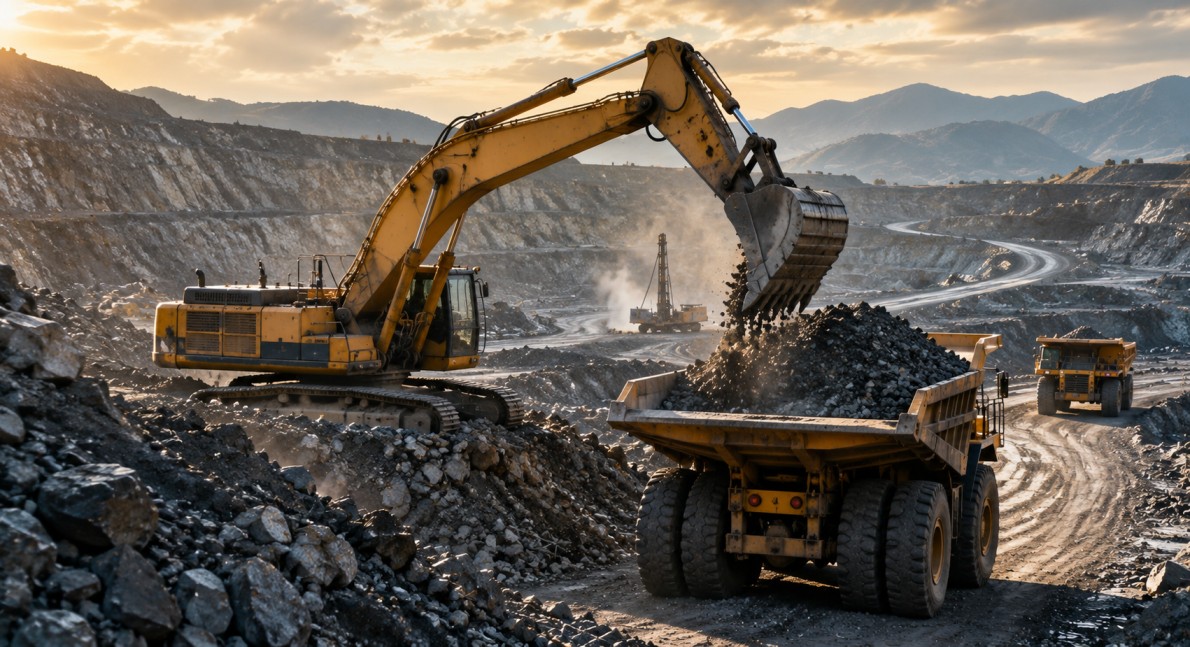
MMDR Bill 2026 has received approval from both Houses of Parliament, marking a major change in the legal framework governing mines and minerals in India. The Mines and Minerals (Development and Regulation) Amendment Bill, 2026 was introduced in the Lok Sabha on 10 August, passed by the Lok Sabha on 12 August and approved by the Rajya Sabha on 13 August 2026.
Thank you for reading this post, don't forget to subscribe!The Bill seeks to amend the Mines and Minerals (Development and Regulation) Act, 1957, which is the main central law dealing with the development and regulation of mines and minerals in the country.
Changes in Mineral Regulation
One of the major proposals is to give the Central Government additional powers relating to the regulation of mineral-bearing land. The Bill defines mineral-bearing land as land containing minerals according to parameters prescribed by the Central Government.
The legislation also proposes restrictions on state governments imposing certain taxes, cess or other levies on mineral rights and mineral-bearing land. Under the proposed framework, such levies would have to follow conditions or restrictions prescribed by the Central Government.
The issue is significant because mineral regulation involves both the Union and state governments. Under the existing constitutional framework, Parliament can regulate mines and mineral development in the public interest, while states have certain powers relating to mines, minerals and taxation.
Impact on State Revenue Powers
The taxation provisions are among the most important and debated parts of the new legislation. The Bill seeks to restrict states from imposing specified levies linked to mineral rights or mineral-bearing land unless they follow conditions set by the Centre.
It also provides that certain unpaid or unrecovered state levies from before the amendment would be treated as invalid. However, amounts that have already been deposited or recovered would not have to be refunded.
This provision has wider implications because the Supreme Court ruled in 2024 that state legislatures have the power to tax mineral rights and that mineral-bearing land falls within the states’ power to tax land. The new Bill therefore changes the legal and fiscal framework around these powers.
Why the Mining Sector Is Important
Minerals are becoming increasingly important as India expands manufacturing, infrastructure, electric mobility, renewable energy and advanced technology industries. Minerals such as lithium, cobalt, graphite, nickel, gold and silver have growing importance in modern industrial supply chains.
India has also been working to strengthen domestic exploration and reduce dependence on imports for critical minerals. Earlier amendments to the MMDR framework expanded the focus on critical and strategic minerals, while government programmes have supported exploration and development.
The latest changes come at a time when countries around the world are trying to secure reliable supplies of minerals needed for batteries, electric vehicles, renewable energy equipment and other technologies.
Changes for Mining Leaseholders
The Bill also proposes greater flexibility for existing mining leases. Leaseholders would be able to add certain minerals, including critical and strategic minerals such as lithium, graphite, nickel and cobalt, as well as gold and silver, subject to the applicable provisions.
Another important change concerns captive mines. These mines are generally operated to supply minerals for the owner’s own industrial requirements. The Bill removes the existing cap on the sale of minerals from captive mines, potentially giving operators greater flexibility in how they use and sell mineral production.
The changes are intended to support more efficient use of mineral resources and encourage greater production from existing mining areas.
Debate Over Federal Powers
The MMDR Bill 2026 has also raised questions about the balance of powers between the Centre and states. Land and taxation are areas where states have important constitutional powers, while Parliament has authority over mines and mineral development under the Union List.
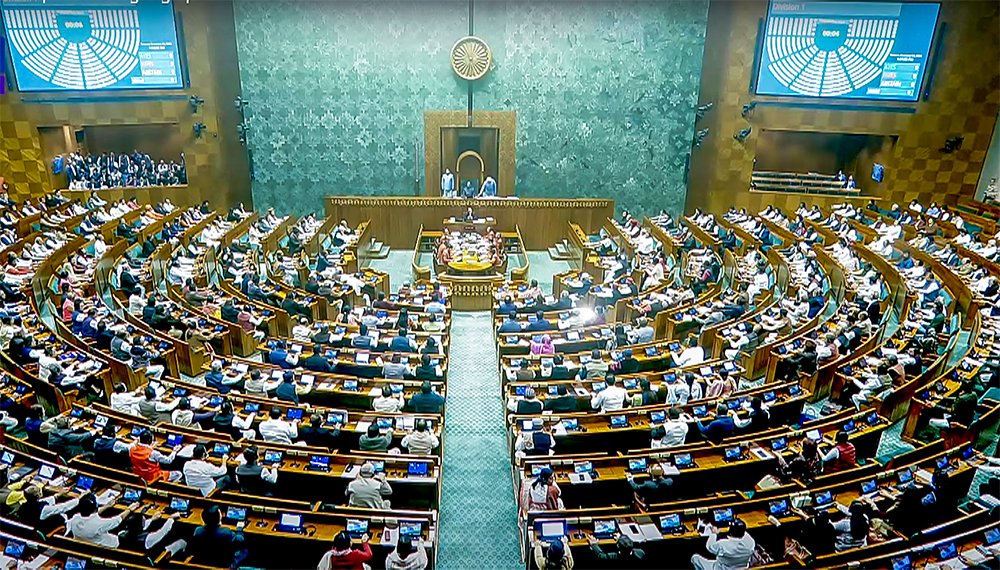
The Bill’s provisions on mineral-bearing land and state levies have therefore attracted attention from a federalism perspective. PRS Legislative Research has also highlighted questions about Parliament’s legislative competence over mineral-bearing land and the retrospective treatment of certain state levies.
What Happens Next
Although both Houses have passed the Bill, it must receive Presidential assent under Article 111 before becoming law. Once enacted, the changes could influence mineral taxation, mining leases, mineral production and the relationship between central and state authorities in the sector.
The legislation comes as India continues to focus on domestic mineral production and the security of critical mineral supply chains, particularly for clean energy, batteries, infrastructure and emerging technologies.