


BRICS OPST

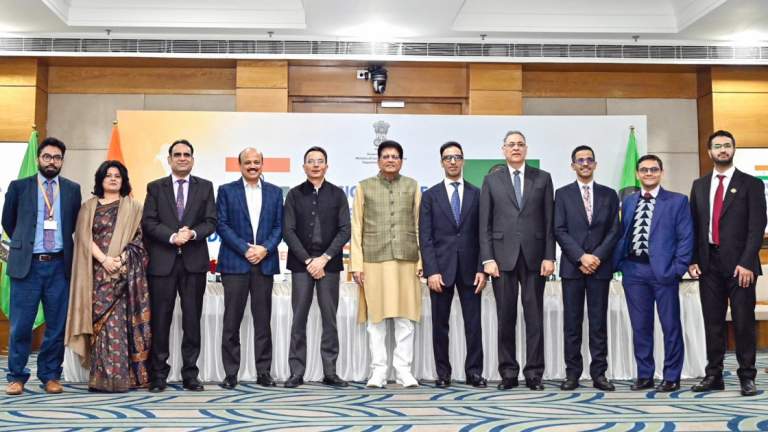
BRICS OPST meeting began in Goa on 12 August 2026, bringing together scientists, researchers and representatives from BRICS and partner countries to discuss cooperation in ocean and polar science and technology. The 8th Meeting of the BRICS Working Group on Ocean and Polar Science and Technology (OPST) is being held from 12 to 14 August under India’s 2026 BRICS Presidency.
Thank you for reading this post, don't forget to subscribe!The meeting is hosted by the National Centre for Polar and Ocean Research (NCPOR) under the Ministry of Earth Sciences. It focuses on strengthening scientific cooperation, sharing research facilities and developing joint programmes related to the oceans and polar regions.
Focus on Ocean and Polar Research
The BRICS OPST Working Group deals with scientific cooperation in two important areas: ocean research and polar science. Oceans influence climate, weather, food resources, transport and the global economy, while the polar regions play an important role in understanding climate change and changes in the Earth’s environment.
The Goa meeting is aimed at moving cooperation beyond individual bilateral projects towards broader multilateral research programmes. Scientists and institutions from participating countries are discussing areas where they can work together and share knowledge, technology and research infrastructure.
The discussions also include capacity building, scientific exchanges and the joint use of expensive and specialised research facilities. Such cooperation can help countries conduct research that may be difficult or costly for a single country to undertake independently.

Working Group Established in 2018
The BRICS Working Group on Ocean and Polar Science and Technology was established in 2018. Since then, it has provided a platform for member countries to discuss research priorities and opportunities for cooperation in marine and polar science.
BRICS originally brought together Brazil, Russia, India, China and South Africa. The grouping has since expanded, increasing the number of countries involved in its various areas of cooperation.
India is holding the BRICS Presidency in 2026, providing an opportunity for the country to host meetings and promote areas of scientific and technological cooperation.
NCPOR Hosts the Goa Meeting
The National Centre for Polar and Ocean Research, based in Goa, is India’s nodal institution for polar and ocean research under the Ministry of Earth Sciences. It plays an important role in India’s scientific programmes in the Arctic, Antarctic and Southern Ocean.
Dr. Thamban Meloth, Director of NCPOR, is chairing the 2026 Working Group meeting. He welcomed delegates attending the event and highlighted the importance of international cooperation in ocean and polar research.
India has developed significant experience in polar research through its scientific expeditions and research stations in Antarctica and the Arctic. Cooperation with other countries can help expand scientific knowledge and improve access to advanced research technologies.
Joint Research and Shared Infrastructure
One of the important areas being discussed at the Goa meeting is the shared use of polar research infrastructure. Polar research requires specialised ships, laboratories, research stations, satellites and other expensive equipment.
Sharing such facilities can help researchers from different countries conduct larger studies while reducing duplication of resources. It can also allow scientists to collect data from remote areas that are difficult to reach.
The meeting is also discussing scientific exchanges and capacity building. Training programmes, researcher exchanges and collaborative projects can help develop scientific skills among participating countries.
Ocean Science and India’s Blue Economy
The meeting also connects with India’s growing focus on the Blue Economy. The Blue Economy refers to economic activities linked to oceans and marine resources while promoting their sustainable use.
India has a long coastline and depends on the ocean for fisheries, shipping, ports, offshore energy and other economic activities. Scientific research is important for understanding marine ecosystems and ensuring that ocean resources are used responsibly.
A keynote lecture on India’s Blue Economy initiatives was delivered by Dr. M. Rajeevan, Vice Chancellor of Atria University and former Secretary of the Ministry of Earth Sciences. The session added an economic and policy perspective to the scientific discussions.
International Participation
The Goa meeting includes representatives from several countries. Official references mention participation from Brazil, China, Egypt, Indonesia, Russia, South Africa, the United Arab Emirates and India.
The participation of countries from different regions provides an opportunity to develop wider scientific partnerships. Ocean and polar systems do not follow national boundaries, making international cooperation important for monitoring climate, marine ecosystems and environmental changes.
The discussions in Goa are therefore expected to focus on practical areas where countries can combine scientific expertise and resources.
Climate Change and Polar Research
Polar research has become increasingly important because changes in the Arctic and Antarctic can influence the global climate system. Scientists monitor ice sheets, sea ice, ocean temperatures, atmospheric conditions and ecosystems to understand these changes.
Ocean research is also closely connected with climate studies. The oceans absorb a large amount of the heat and carbon dioxide associated with global climate change. Changes in ocean conditions can affect weather patterns, marine life and coastal communities.
Through international scientific programmes, researchers can compare observations from different parts of the world and build a better understanding of large-scale environmental changes.

From Bilateral to Multilateral Cooperation
A key objective of the BRICS OPST meeting is to move from separate bilateral arrangements towards integrated multilateral research programmes. This means that several countries can work together on common scientific goals rather than developing isolated projects.
Such cooperation can include joint expeditions, shared research facilities, exchange of scientific data and collaborative publications. It can also support the development of new technologies for ocean observation and polar exploration.
The Goa meeting is scheduled to continue until 14 August 2026, with participating countries expected to discuss short-term and medium-term priorities for future cooperation in ocean and polar science.