


Swachhata Hi Seva 2026 Begins

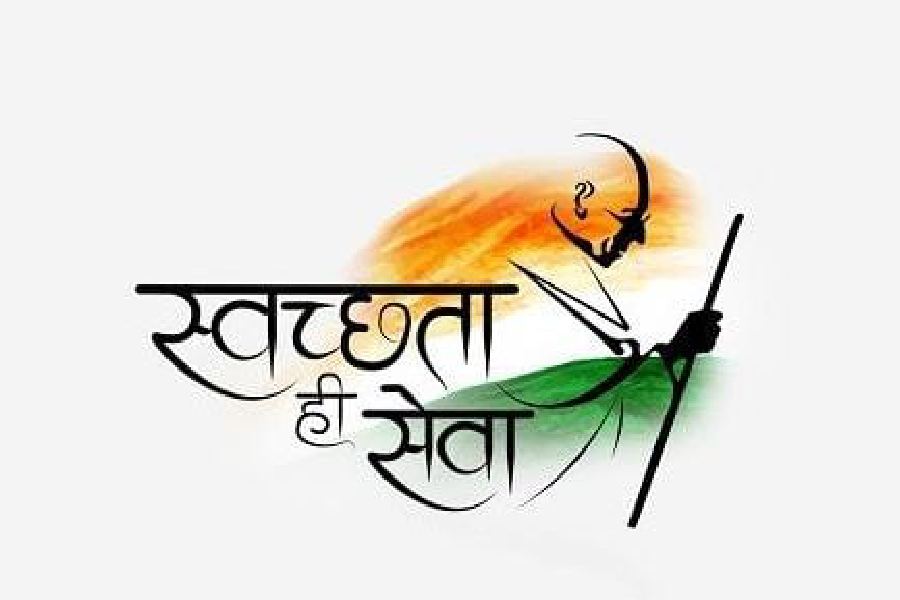
Swachhata Hi Seva 2026 began across India on September 17, 2026, and will continue for one month until October 17. The nationwide campaign focuses on cleanliness, public participation, sanitation worker safety and better management of waste. This year’s theme is “Swachhata Mein Sahbhag; Swachh Bharat, Viksit Bharat”, highlighting the role of citizens in creating cleaner communities.
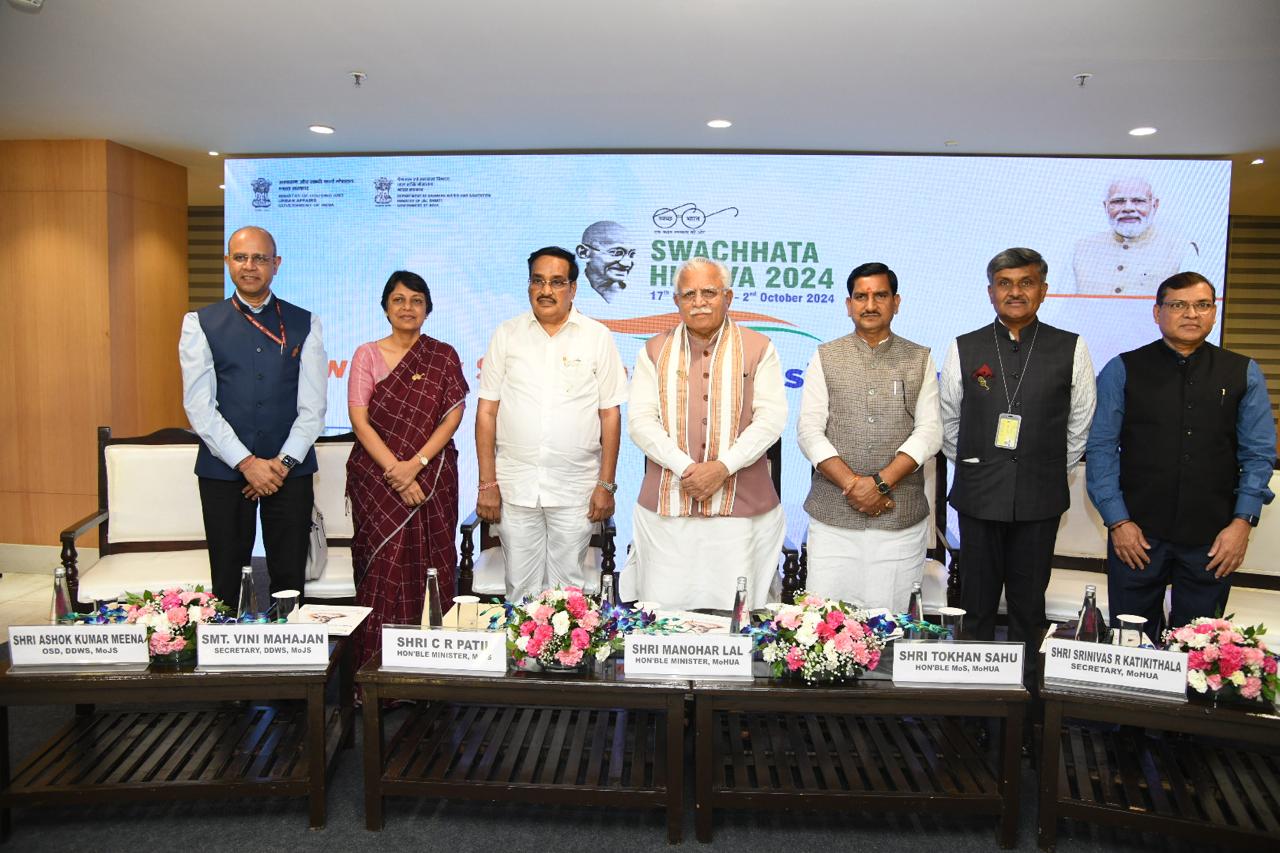
Thank you for reading this post, don't forget to subscribe!The campaign is being jointly organised by the Department of Drinking Water and Sanitation under the Ministry of Jal Shakti and the Department of Urban Development under the Ministry of Housing and Urban Affairs. Activities will be carried out across rural and urban areas during the month-long campaign.
Swachhata Hi Seva 2026 Across India
The Swachhata Hi Seva campaign brings together government departments, local bodies, communities, students, youth and other groups for cleanliness-related activities.
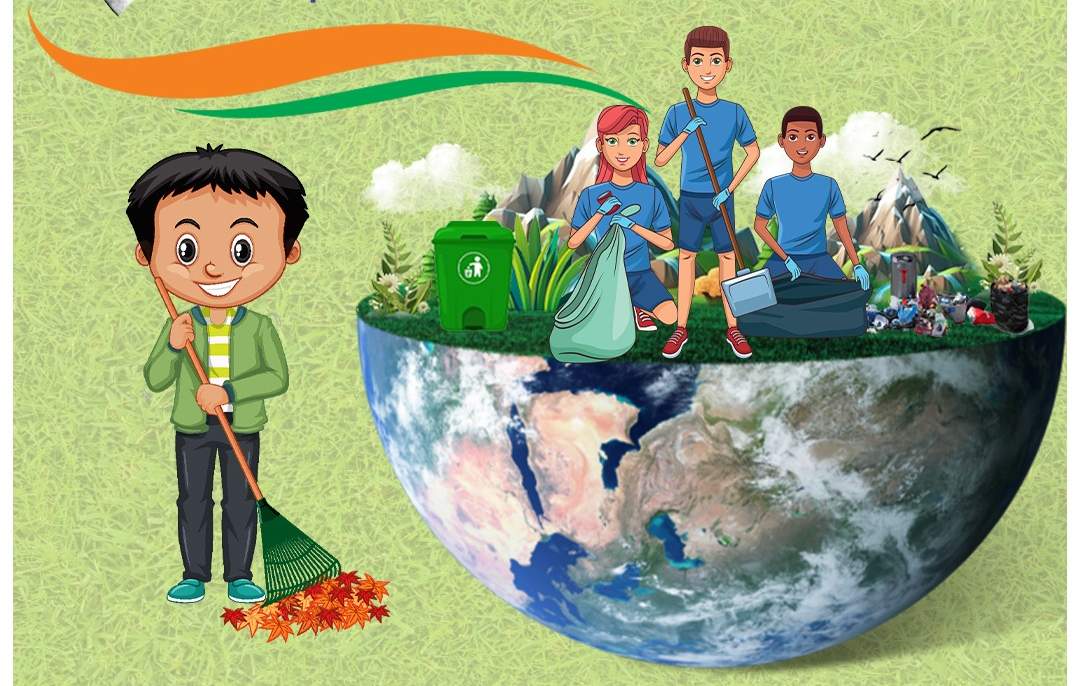
The 2026 campaign has been designed around five major pillars. These pillars focus not only on cleaning public places but also on improving waste management, supporting sanitation workers and encouraging people to take part in cleanliness activities.
The campaign also connects cleanliness with the wider idea of building healthier and more sustainable communities.
Five Main Pillars of the Campaign
One of the key areas of Swachhata Hi Seva 2026 is the transformation of cleanliness target units. These are places and areas identified for focused cleanliness and improvement activities.
The second pillar, Swachh Paathshala, focuses on involving young people and students. Educational institutions can become important centres for spreading awareness about cleanliness, responsible waste disposal and personal hygiene.
The third pillar is the SafaiMitra Suraksha Evam Samman Shivir, which focuses on the safety, welfare and recognition of sanitation workers. SafaiMitras play an important role in keeping cities and villages clean, and the campaign gives attention to their working conditions and dignity.
The fourth pillar is Jan Bhagidari, which means public participation. Citizens are encouraged to become active participants rather than depending only on government agencies for cleanliness activities.
The fifth pillar is Swachhata se Samriddhi, which promotes waste-to-wealth activities. The idea is to treat waste as a resource that can be reused, recycled or converted into useful products.
Ek Din, Ek Ghanta, Ek Saath
A major nationwide activity under Swachhata Hi Seva 2026 will be the collective Shramdaan programme titled “Ek Din, Ek Ghanta, Ek Saath.”
It is scheduled for October 1, 2026. The activity will encourage people across the country to contribute their time to cleanliness work.
Shramdaan refers to voluntary contribution of physical labour for a community purpose. Through this programme, citizens can participate in activities such as cleaning public spaces and supporting local cleanliness efforts.
The focus on collective participation is an important feature of the 2026 campaign because cleanliness requires regular involvement from both institutions and communities.
Special Programmes on October 2
October 2 will have special importance during the campaign. The day is observed as Swachh Bharat Diwas and also marks the birth anniversary of Mahatma Gandhi.
Special programmes are planned across the country on this day. These include Special Gram Sabhas, awareness activities related to the Solid Waste Management Rules, 2026, and tree plantation activities under “Ek Ped Maa Ke Naam.”
The activities are intended to connect cleanliness with environmental protection and responsible management of natural resources.
Focus on Waste Management
Waste management is an important part of Swachhata Hi Seva 2026. Rapid growth of towns and cities has increased the amount of municipal waste generated every day.
Proper collection, segregation, processing and disposal of waste can reduce pollution and improve the quality of public spaces.
The campaign’s waste-to-wealth approach also encourages communities and local authorities to look at waste as something that can have economic value. Recyclable materials can be recovered, organic waste can be processed and other waste streams can be managed through appropriate treatment methods.
Support for Sanitation Workers
Sanitation workers are another major focus of this year’s campaign. The SafaiMitra Suraksha Evam Samman Shivir is designed to bring attention to their safety, welfare and dignity.
Sanitation workers often work in difficult conditions while handling waste and maintaining public sanitation systems. Providing them with appropriate safety equipment, health support, training and recognition is an important part of improving sanitation services.
The campaign therefore combines cleanliness activities with efforts aimed at recognising the people who work directly to keep communities clean.
Sikkim Launches State-Level Campaign
Sikkim also held its state-level launch of Swachhata Hi Seva 2026 at Ridge Park in Gangtok on September 17.
Governor Om Prakash Mathur and Chief Minister Prem Singh Tamang attended the programme. The state-level event marked the beginning of campaign activities in Sikkim alongside the nationwide launch.
States, districts, local governments and community organisations will carry out activities according to the campaign framework during the month-long period.
Large Public Participation
The scale of public participation has been a major feature of previous editions of Swachhata Hi Seva.
During the 2025 campaign, more than 18 crore citizens participated in activities across the country. Around 14 crore participants came from rural areas, highlighting the large role played by village communities in cleanliness programmes.
The 2026 campaign again places public participation at the centre of its approach. Through Shramdaan, school activities, Gram Sabhas, plantation drives and waste-management programmes, citizens are being encouraged to contribute directly.
Link with Swachh Bharat Mission
The Swachhata Hi Seva campaign is connected with the broader Swachh Bharat Mission, which was launched on October 2, 2014.
The mission has focused on sanitation, cleanliness and improved waste management across India. Over the years, cleanliness campaigns have expanded from basic sanitation activities to include solid waste management, sanitation worker welfare, behavioural change and public participation.
The 2026 campaign continues this broader approach by combining cleanliness with environmental protection, waste recovery and community involvement.
Cleanliness and Public Responsibility
The 2026 campaign places strong emphasis on the idea that cleanliness is a shared responsibility. Government agencies provide infrastructure, services and programmes, but everyday public behaviour also has a major role in maintaining clean surroundings.
Proper waste segregation, avoiding littering, using sanitation facilities responsibly and participating in community cleanliness activities can support local efforts.
Through its month-long programme, Swachhata Hi Seva 2026 aims to bring these activities together across villages, towns and cities, with special programmes planned around October 1 and October 2.