


Canada EU Ties: Associate Membership Proposal

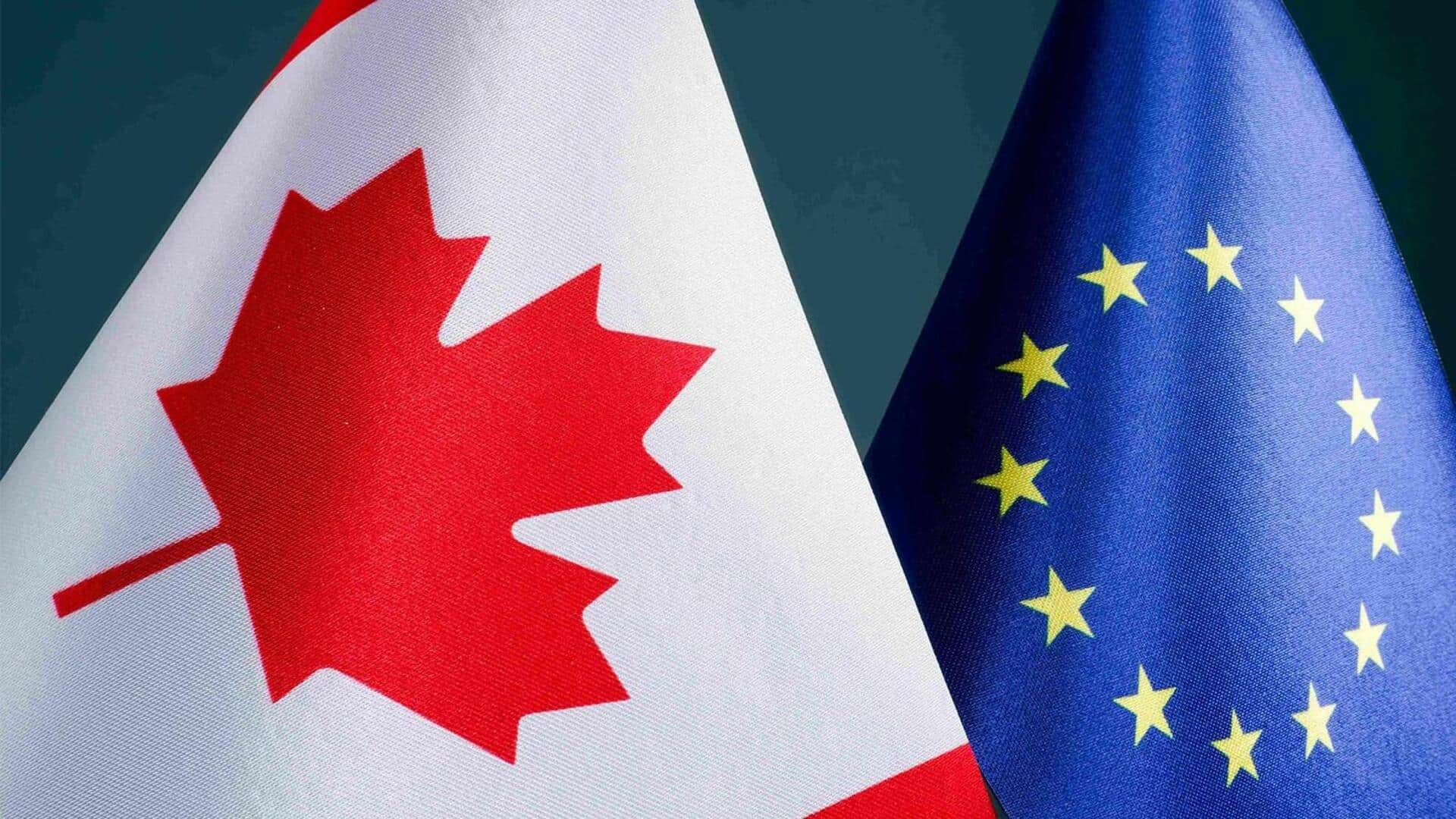
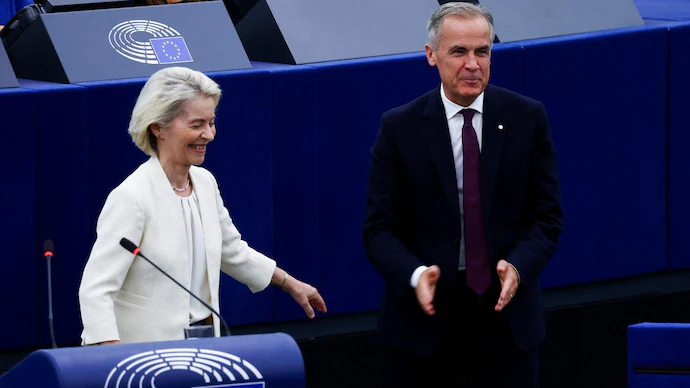
Canada EU Ties are entering a new phase after European Commission President Ursula von der Leyen proposed making Canada the European Union’s first “associate member”. She made the proposal during her State of the Union address to the European Parliament in Strasbourg on September 16, 2026, with Canadian Prime Minister Mark Carney present. The proposal is aimed at creating much closer cooperation between Canada and the EU in trade, technology, defence, energy and critical minerals.
Thank you for reading this post, don't forget to subscribe!EU Proposes a New Partnership With Canada
Von der Leyen said the EU wants to take its relationship with Canada to a higher level. She described Canada as a country that shares important values and interests with the EU, including democracy, climate action, support for Ukraine and cooperation on raw materials and supply chains.
The European Commission’s proposal is not the same as offering Canada full EU membership. In fact, Canada has said it is not seeking to become a full member of the European Union. Carney has instead described the goal as creating a “unique alliance” with Europe.
The proposed associate-member status would therefore represent a new form of relationship between the EU and a non-European country.
Associate Membership Has No Existing EU Definition
One of the main questions surrounding the proposal is its legal structure. Canada EU Ties currently operate through several existing agreements, including the Comprehensive Economic and Trade Agreement, or CETA.
However, EU treaties do not currently define a formal category called “associate membership”. This means the proposed status would need to be developed through negotiations between Canada and the EU and would require agreement among the EU’s 27 member states.
The exact rights and responsibilities of an associate member have not yet been established. Questions include how closely Canada could participate in the EU’s economic programmes, whether it could gain deeper access to parts of the single market and what rules it would need to follow.
Canada and EU Already Have a Trade Agreement
Canada and the EU already have a major economic relationship through CETA. The agreement has reduced many trade barriers between the two sides and has supported growth in bilateral trade.
Von der Leyen highlighted the existing relationship during her speech, saying trade in goods between Canada and the EU had grown significantly since CETA came into effect. She proposed moving beyond the existing trade framework towards what she described as an “Alliance for the Future”.
The proposed partnership could expand cooperation into areas that go beyond traditional trade, including manufacturing, artificial intelligence, energy, batteries, critical minerals and defence industries.
Technology and Critical Minerals in Focus
Technology is expected to be one of the major areas of deeper Canada EU Ties. The European Commission has proposed stronger cooperation on artificial intelligence, quantum technology, cybersecurity and digital infrastructure.
Critical minerals are another important area. Canada has large natural-resource reserves, while European countries are looking to diversify their supplies of materials needed for batteries, clean-energy technology and advanced manufacturing.
The two sides are also discussing closer cooperation on energy and industrial supply chains. This could become increasingly important as Europe seeks more reliable sources of strategic materials and energy.
Defence and Arctic Cooperation
Defence cooperation is another part of the proposed relationship. Von der Leyen said the EU wants to integrate defence industrial bases with Canada and increase cooperation on security.
The Arctic is also expected to become an important area of joint work. Canada is an Arctic country, while the EU has growing strategic and security interests in the region. Climate change, shipping routes, natural resources and security developments have increased international attention on the Arctic.
The European Commission has proposed making the Arctic a flagship joint project with Canada.
Canada Seeks Wider International Partnerships
The proposal comes as Canada is working to strengthen relationships outside the United States. Trade tensions between Ottawa and Washington have increased under President Donald Trump, encouraging Canada to look for greater economic and strategic diversification.
Carney has said Canada wants to increase trade with countries beyond the United States. His government is seeking closer relationships with European countries and other international partners.
On September 16, Canada also applied to join the UK-led Joint Expeditionary Force, a military cooperation group involving several European NATO countries. The move came during Carney’s European visit and reflected Canada’s wider effort to deepen security relationships with European partners.
Trump Criticises the Proposal
The proposed change in Canada EU Ties has already drawn a response from Washington. US President Donald Trump criticised the idea on September 17 and threatened possible tariffs or other trade measures against the EU if the plan moves forward.
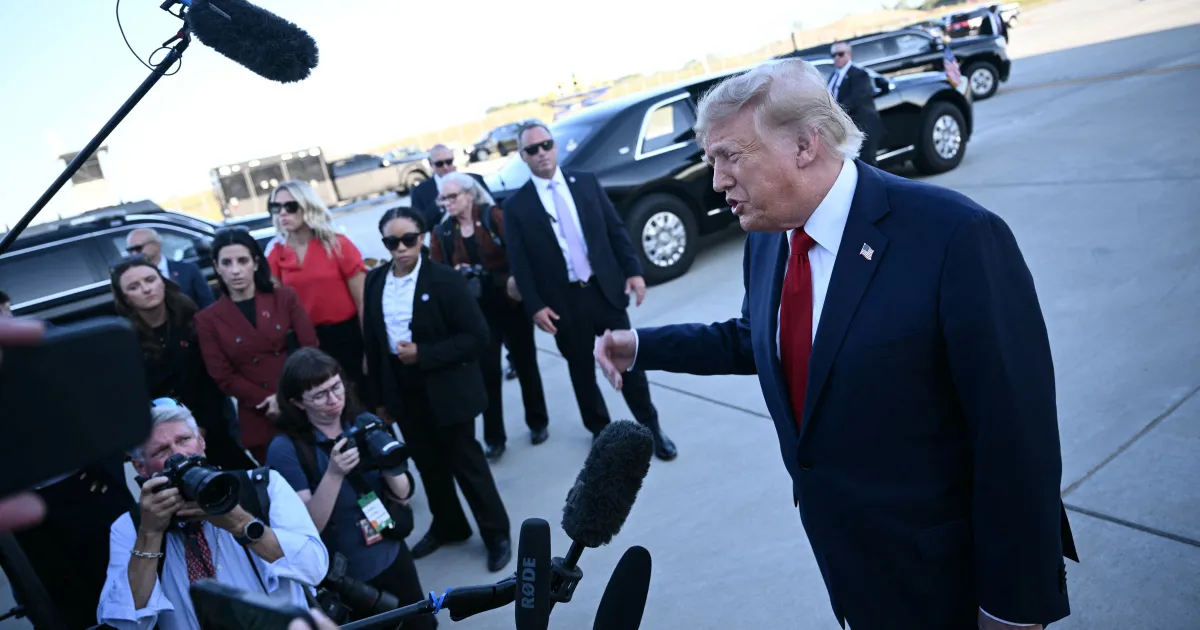
The European Commission has said the proposed relationship with Canada is intended to strengthen cooperation and is not directed against the United States. The proposal is still at an early stage and would require negotiations and approval from EU member states.
The reaction adds another layer to the discussion because Canada, the EU and the United States already have extensive trade and security links.
October Canada-EU Summit Ahead
The next major stage could come at the planned Canada-EU summit in October 2026. The meeting is expected to provide an opportunity for both sides to discuss the details of their future relationship.
For now, the exact structure of associate membership remains undecided. Issues such as market access, regulatory alignment, defence cooperation, energy, critical minerals, technology and mobility are likely to be part of future discussions.
The proposed status would be a new model for Canada EU Ties if the two sides reach an agreement, because no country currently holds a formal EU associate-member status under the bloc’s existing treaties.