

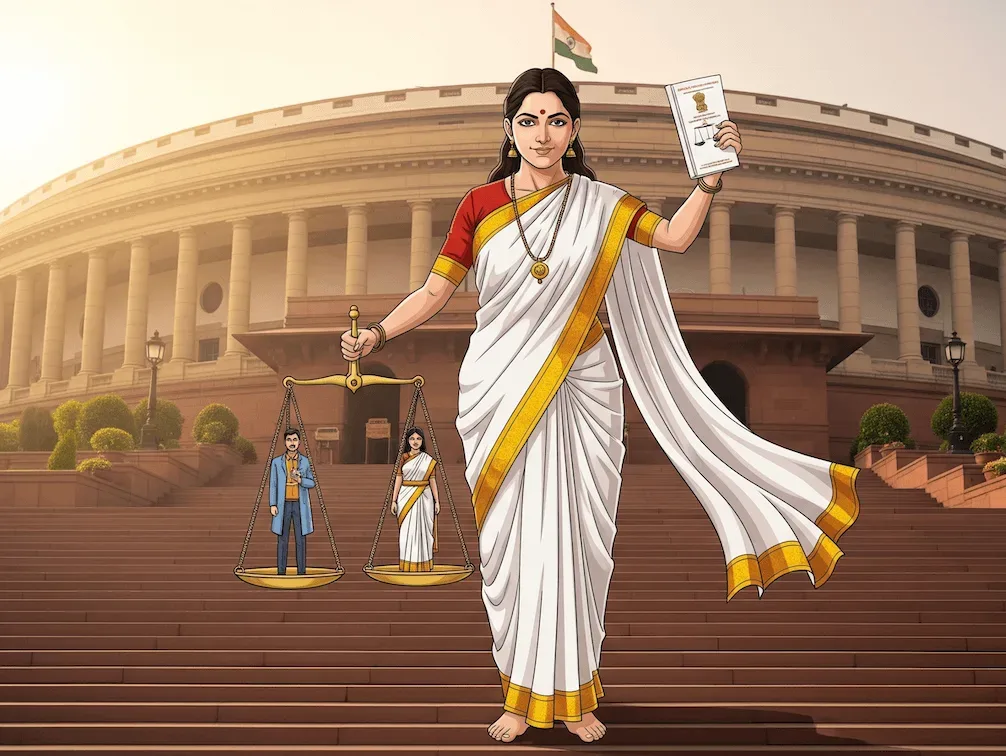
Women Reservation Act Enforcement Begins in India

The Women Reservation Act Enforcement marks a major step in strengthening women’s role in India’s political system. The Union Government has officially implemented the Constitution (One Hundred and Sixth Amendment) Act, 2023, also known as the Nari Shakti Vandan Adhiniyam. April 16, 2026, has been declared as the starting date of this law.
Thank you for reading this post, don't forget to subscribe!What Women Reservation Act Enforcement Provides
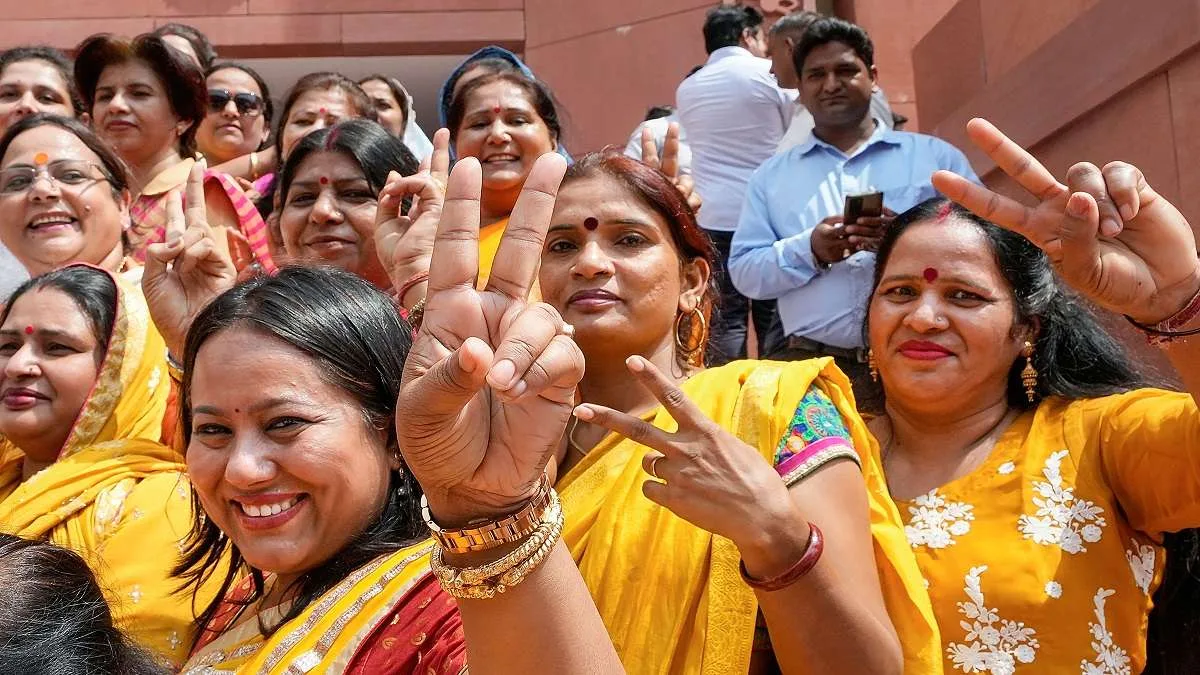
Under the Women Reservation Act Enforcement, 33% of seats will be reserved for women in the Lok Sabha and state legislative assemblies. The Act introduces new provisions like Articles 330A and 332A to ensure fair representation, including women from Scheduled Castes and Scheduled Tribes.
The reservation will rotate across constituencies after each delimitation process, ensuring equal opportunities over time.
Why This Step Was Important
The Women Reservation Act Enforcement required official notification to become active. This step is important because it allows the government to make further legal changes if needed. Without this formal start, future amendments and implementation steps would not be possible.
Connection with Census and Delimitation
The implementation of the Act is linked to delimitation, which means redrawing electoral boundaries. Earlier, it depended on the next census after the law was passed. Since the next census is expected in 2027, this could delay the process.
To solve this issue, the government introduced the Constitution (One Hundred and Thirty-First Amendment) Bill, 2026. It suggests using data from the 2011 Census for delimitation so that the reservation can be applied sooner.
Key Legal and Political Developments
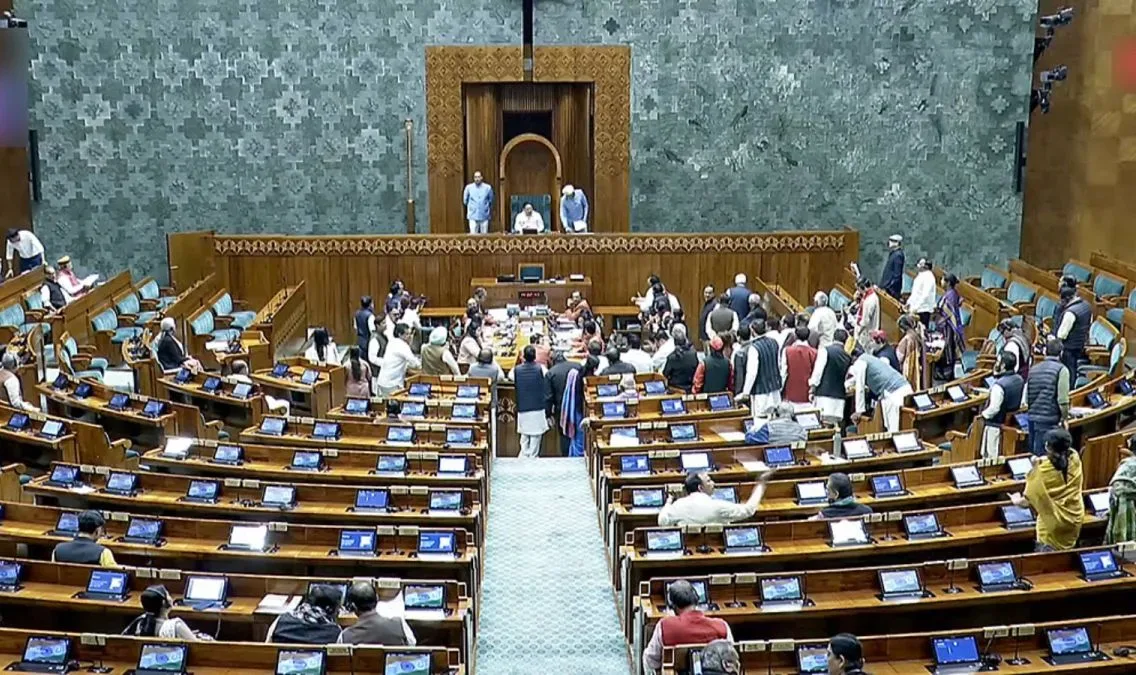
The Lok Sabha is currently discussing important bills, including the proposed 131st Amendment. These steps aim to ensure that the Women Reservation Act Enforcement happens before the 2029 general elections.
If these changes are approved, India may soon see a significant increase in women’s participation in politics, making governance more inclusive and balanced.