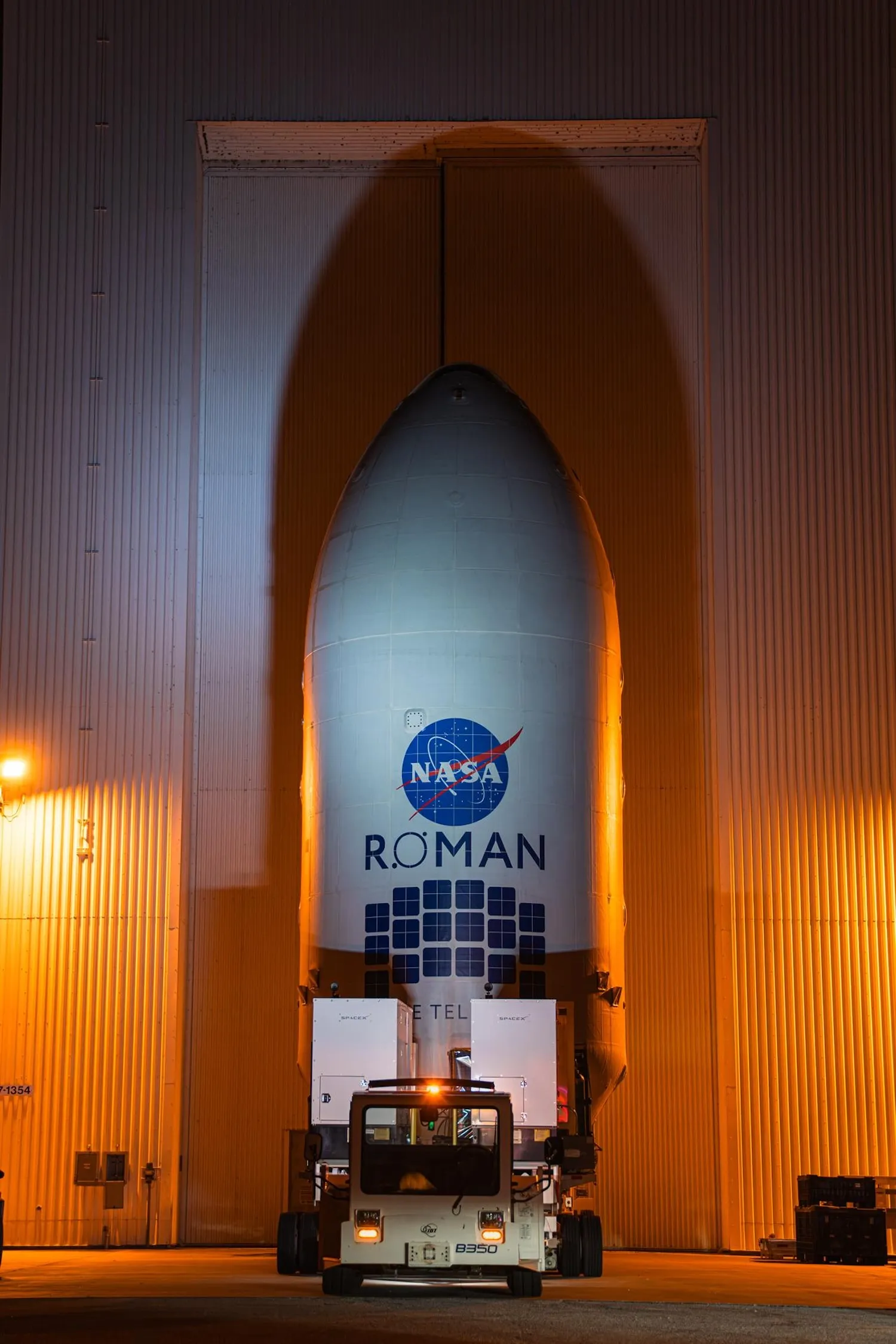
Roman Telescope Launches

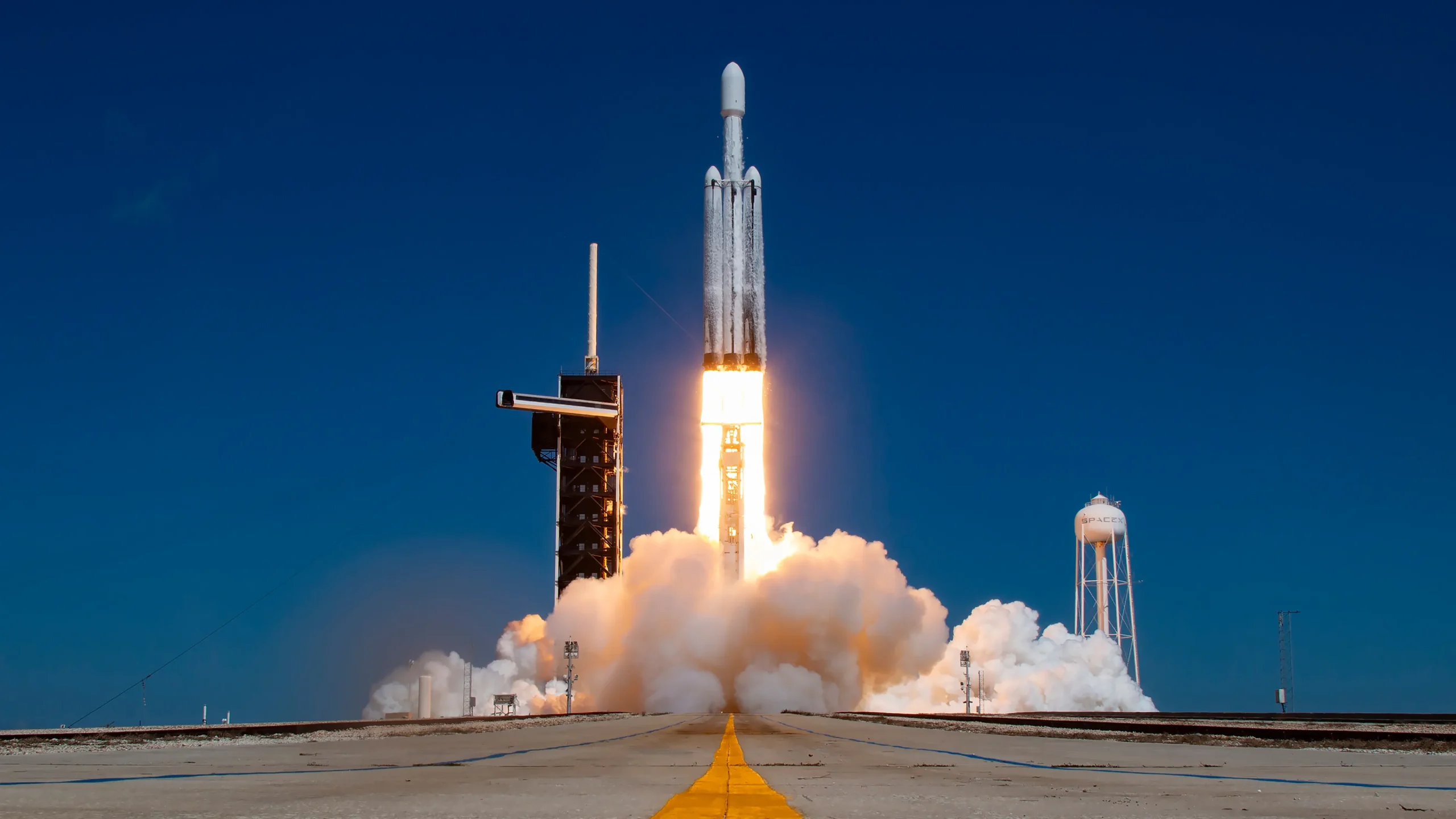
Roman Telescope was launched by NASA on 30 August 2026 from Launch Complex 39A at the Kennedy Space Center in Florida. The Nancy Grace Roman Space Telescope lifted off aboard a SpaceX Falcon Heavy rocket at 7:26 a.m. EDT, beginning a major new mission to study the universe. The observatory will travel for about three months toward the Sun-Earth Lagrange Point 2, located around 1.5 million kilometres from Earth.
NASA’s New Space Observatory
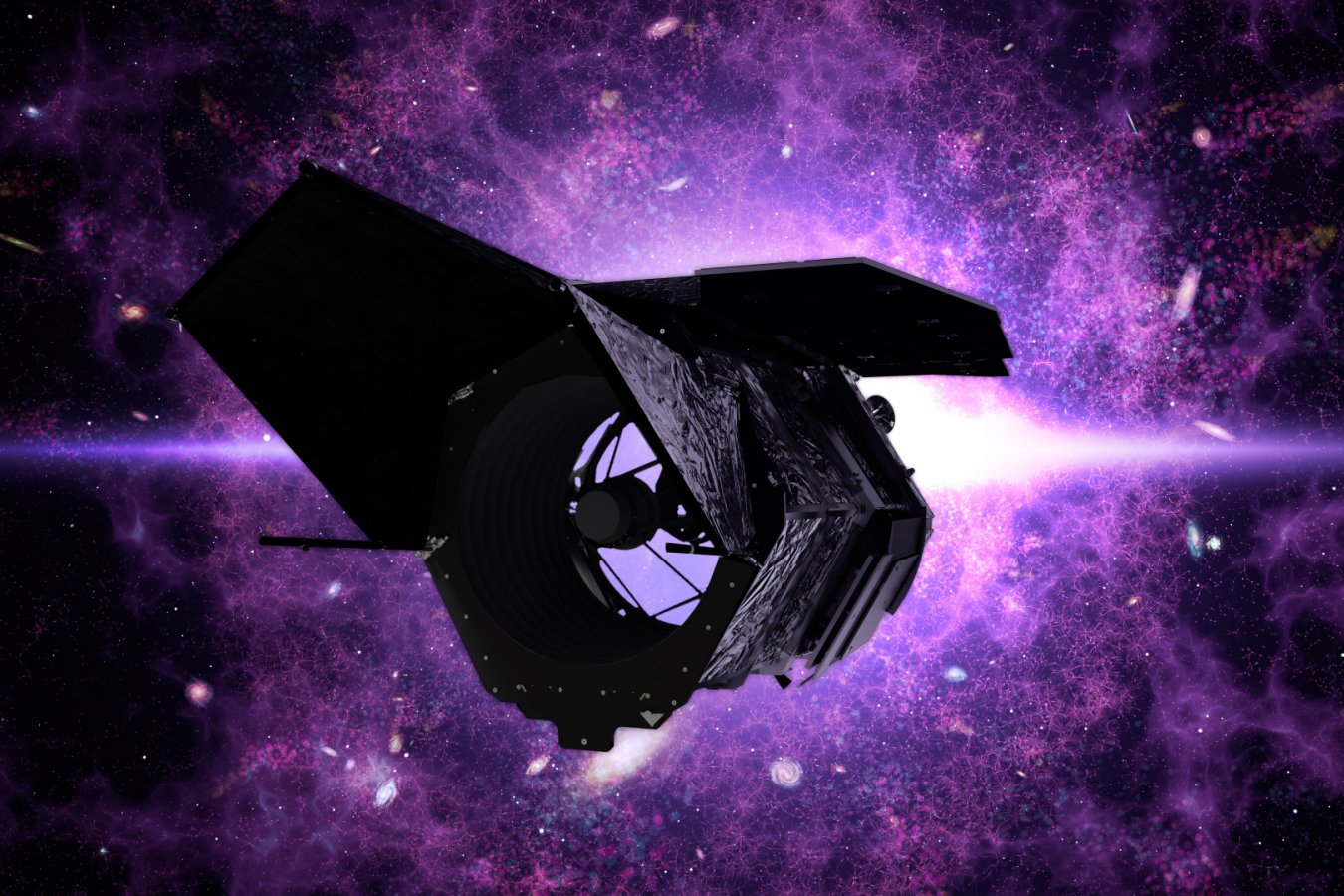
The Nancy Grace Roman Space Telescope is designed for a primary mission of five years, during which scientists will investigate some of the biggest questions in modern astronomy. Its major research areas include dark energy, dark matter and planets outside the Solar System.

The telescope has a 2.4-metre primary mirror, similar in size to the mirror of the Hubble Space Telescope. However, Roman is designed with a much wider field of view. Its field of view is about 100 times larger than Hubble’s, allowing it to observe large sections of the sky more efficiently.
This wide view will help astronomers collect large amounts of data and study distant galaxies, stars and other objects across the universe.
Launch and Early Operations
The launch took place from Launch Complex 39A, one of NASA’s most historically important launch sites. The site has previously supported major Apollo and Space Shuttle missions.
Around 31 minutes after liftoff, the approximately 18,000-pound observatory separated from the rocket’s upper stage. The spacecraft then deployed its solar arrays, which will provide power to its onboard systems during the mission.
After launch, NASA teams began preparing the spacecraft for its journey and scientific operations. A commissioning and calibration period of about 90 days is planned before regular observations begin.
Journey to Lagrange Point 2
The Roman Telescope is heading toward Sun-Earth Lagrange Point 2, commonly known as L2. This location is positioned beyond Earth relative to the Sun and is about 1.5 million kilometres from Earth.
L2 is useful for space observatories because it provides a stable environment for long-duration observations. The James Webb Space Telescope also operates around the Sun-Earth L2 region. From this location, Roman will have a broad and relatively stable view of deep space.
Studying Dark Energy and Dark Matter
One of the main goals of the mission is to improve scientists’ understanding of dark energy and dark matter. These two poorly understood components play important roles in current models of the universe.
Dark matter cannot be directly seen with ordinary telescopes, but its gravitational effects can be observed. Dark energy is associated with the accelerated expansion of the universe. By studying large numbers of galaxies and their distribution over cosmic time, Roman could provide new information about these subjects.
The observatory will also investigate how the universe has changed over billions of years.
Searching for Distant Worlds
The Roman Telescope will also contribute to the study of exoplanets, which are planets orbiting stars beyond the Solar System. Its large survey capability will allow scientists to search for and study distant planetary systems.
Researchers expect the mission to provide large datasets that can complement observations from other space and ground-based telescopes. Combining information from different observatories can help scientists build a more detailed picture of stars, galaxies and planetary systems.
From Spy Satellite Hardware to Astronomy Mission
The history of the Roman Telescope is unusual. Some of its core hardware was originally developed for a National Reconnaissance Office satellite programme. NASA received the hardware in 2012 and later adapted it for astronomical research.
The repurposing of the hardware helped shape the development of the observatory and allowed NASA to use existing technology for a different scientific purpose.
The mission was launched around nine months earlier than NASA’s previously committed baseline launch date of May 2027. Publicly cited estimates have placed the total project cost at roughly US$4 billion to US$4.3 billion.
NASA and SpaceX teams marked the successful launch during a post-launch news conference on 30 August 2026, while mission teams continued preparations for the observatory’s journey and commissioning phase.