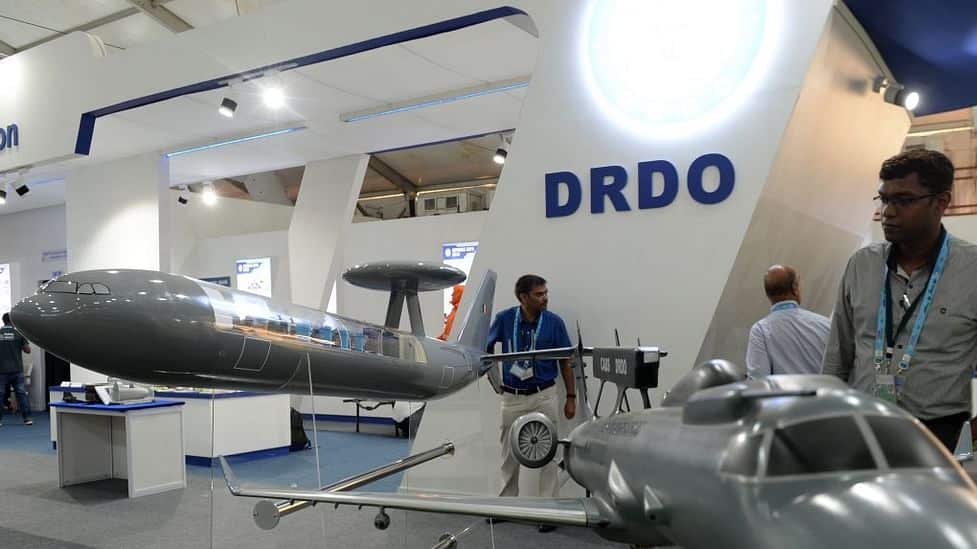
DRDO Private Defence Firms for Missile Production

DRDO Private Defence Firms are set to get a bigger role in India’s defence manufacturing sector as the Defence Research and Development Organisation (DRDO) has invited Indian companies for long-term partnerships in missile and guided weapon production. The initiative was announced through an Expression of Interest (EoI) issued by the Research Centre Imarat (RCI) in Hyderabad on August 18, 2026.
Thank you for reading this post, don't forget to subscribe!The proposal aims to bring more private-sector participation into the production of advanced defence systems. Under the plan, DRDO will remain responsible for the design and technology development, while selected private companies will support prototype integration, testing, qualification and large-scale manufacturing.
DRDO’s New Partnership Model
The proposed partnership will work through the Development-cum-Production Partner (DcPP) model. This approach separates the research and design role from the industrial production role.
Under the model, DRDO will develop the required technology and design for the selected systems. Private defence companies will then help turn these designs into production-ready systems and manufacture them on a larger scale.
The arrangement is intended to improve cooperation between government research institutions and private industry. It can also help expand India’s domestic defence manufacturing capacity and reduce dependence on overseas suppliers.

Strategic Weapon Systems Included
The proposed partnership covers several important areas of India’s missile and guided weapons programme. These include systems associated with the Agni series, future strategic variants, submarine-launched systems and advanced hypersonic missile programmes under development.
The proposal covers strategic defence technologies involving land, sea and high-speed platforms. Because these systems are part of India’s broader strategic capability, the partnership will require companies to meet strict technical, financial, licensing and security requirements.
The move comes as India continues to increase domestic defence production and encourage greater participation from private companies in the defence sector.
Eligibility for Private Companies
The DRDO proposal includes specific requirements for companies that want to participate. Interested firms must have active defence manufacturing licences as well as the required Petroleum and Explosives Safety Organisation (PESO) licences.
Companies are also expected to meet financial requirements. The stated criteria include a net worth of more than ₹34 crore and profitability in at least two of the previous five years.
Reports have also referred to a minimum annual turnover requirement of around ₹100 crore, although the exact turnover condition has not been consistently detailed in all available references.
These requirements are designed to ensure that selected companies have sufficient financial strength, industrial experience and regulatory approvals to undertake long-term defence manufacturing projects.
Competition for Future Production Orders
DRDO plans to select at least two private companies for each weapon project under the proposed arrangement. Selected firms would participate in prototype-related work and later compete for larger production orders.
According to the proposal, future bulk production requirements could involve around 50 to 100 units, depending on the specific weapon programme.
This competitive approach could encourage companies to improve manufacturing quality, production capacity and delivery performance while supporting the development of a stronger private defence industry in India.
Role of Research Centre Imarat
The Expression of Interest has been issued through Research Centre Imarat (RCI), Hyderabad, one of DRDO’s important establishments involved in missile technology development.
RCI works on areas connected with missile systems and related technologies. Its involvement in the new partnership framework reflects the broader effort to connect India’s defence research capabilities with industrial manufacturing.
The arrangement could allow private companies to gain a larger role in converting defence technologies developed by government research organisations into production systems.
India’s Changing Defence Manufacturing Sector
India’s defence industry has traditionally relied heavily on government-owned organisations and public-sector defence manufacturers. In recent years, however, private companies have become increasingly important in the country’s defence production ecosystem.
The government has been encouraging domestic manufacturing through initiatives aimed at increasing indigenous production, developing defence technologies within India and creating opportunities for private industry.
The latest DRDO Private Defence Firms initiative fits into this wider shift. Greater private participation can help bring additional investment, manufacturing capacity and industrial expertise into defence production.
At the same time, strategic defence programmes require strong quality control, security measures and regulatory compliance. Companies selected under the programme will therefore have to meet the technical and operational standards set for the respective projects.
Important Dates for the Proposal
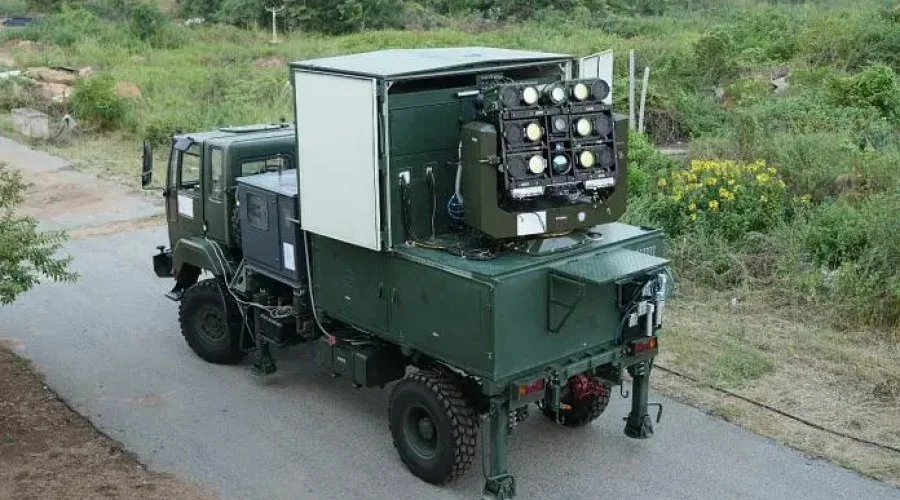
The process will move forward with a technical discussion scheduled for September 2, 2026. Companies interested in participating must submit their proposals by September 24, 2026.
The response from private defence companies will help determine which firms have the required capabilities to participate in the long-term production partnership.
The initiative represents another step in India’s ongoing effort to strengthen its domestic defence manufacturing base while connecting advanced government-developed technologies with private industrial capacity.