



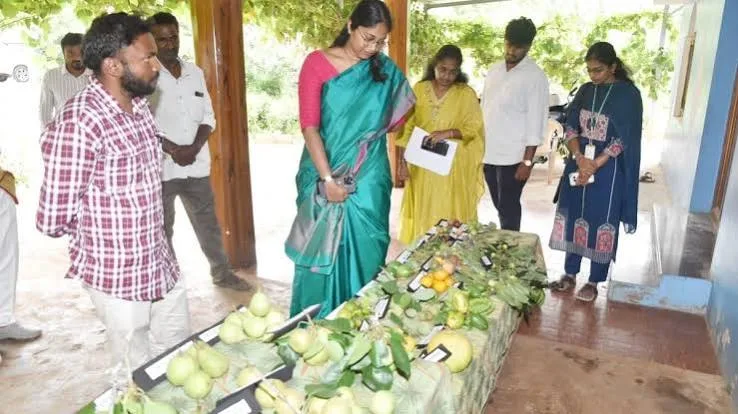
Native Fruit Cultivation Nilgiris

Native Fruit Cultivation is becoming an important step toward sustainable farming in the Nilgiris district. A new initiative by the district administration along with the Department of Horticulture is encouraging farmers to grow traditional fruit trees.
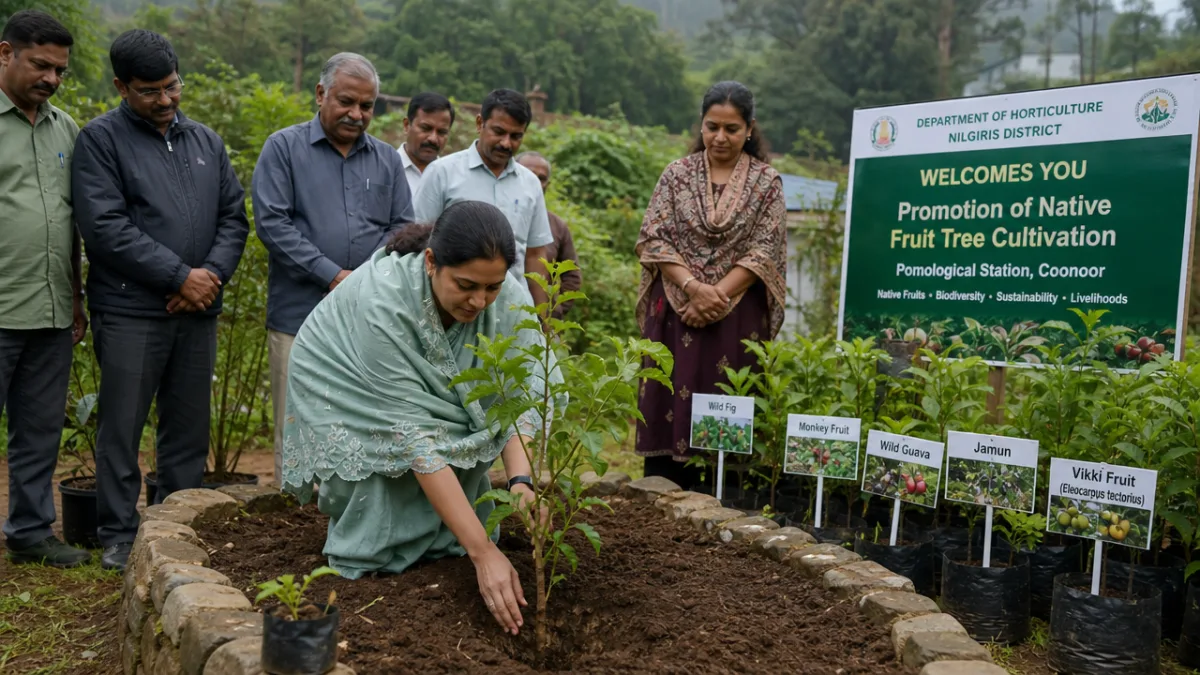
Thank you for reading this post, don't forget to subscribe!As part of this effort, a dedicated area has been developed at the Pomological Station. This space is being used to cultivate and promote native fruit species that are naturally suited to the region.
Focus on Indigenous Fruit Trees
The initiative highlights the importance of indigenous fruit trees that have grown in the Nilgiri hills for generations. These include wild figs, wild guavas, jamun, monkey fruit, and Eleocarpus tectorius, locally known as Vikki fruit.
These trees are well adapted to the local climate and require less maintenance compared to commercial crops. They also play a role in maintaining ecological balance.
Growing native fruits helps preserve traditional plant species that are slowly disappearing due to modern farming practices.
Support from Horticulture Department
The Department of Horticulture is actively supporting farmers by providing guidance and technical knowledge. Farmers are being trained on how to grow and manage native fruit trees effectively.
The department is also offering planting materials at subsidised rates. This makes it easier for farmers to adopt these crops without high initial costs.
Such support is important in encouraging more farmers to shift toward sustainable agriculture.
Role of Pomological Station in Coonoor
The Pomological Station plays a key role in this initiative. It is a research and cultivation centre focused on fruit crops.
The station is being used to study native species and demonstrate their cultivation. It also acts as a learning hub for farmers and researchers.
This helps spread awareness about the benefits of native fruit cultivation in the region.
Intercropping and Farm Innovation
Another important aspect of this initiative is intercropping. The United Planters’ Association of Southern India is promoting the practice of growing fruit trees along with tea and medicinal plants.
Intercropping allows farmers to use the same land for multiple crops. This improves productivity and reduces risk.
It also helps maintain soil health and increases biodiversity on farms.
Benefits for Farmers
Native Fruit Cultivation offers several advantages to farmers. These trees are more resilient to local weather conditions and pests.
They require less water and fewer chemical inputs, which reduces farming costs. Farmers can also earn additional income by selling fruits in local markets.
This approach supports long-term sustainability and financial stability for farming communities.
Boost to Biodiversity
The Nilgiris region is known for its rich biodiversity. Promoting native fruit trees helps protect this natural heritage.
These trees provide food and shelter for birds, insects, and other wildlife. This strengthens the local ecosystem.
Preserving biodiversity is becoming increasingly important in today’s changing environmental conditions.
Link to Sustainable Agriculture Trends
Across the world, there is a growing focus on sustainable and eco-friendly farming practices. Native Fruit Cultivation fits well into this trend.
Farmers are now looking for ways to reduce chemical use and protect natural resources. Growing indigenous crops is one such solution.
This initiative reflects a shift toward more responsible and environmentally friendly agriculture.
Importance of Traditional Knowledge
Traditional farming knowledge plays a key role in this initiative. Local farmers have long understood the value of native plants.
By combining this knowledge with modern techniques, the programme creates a balanced approach to agriculture.
It also helps preserve cultural practices linked to farming in the Nilgiris.
Growing Awareness Among Farmers
Awareness about the benefits of native fruit cultivation is increasing. Workshops, training sessions, and demonstrations are helping farmers learn new methods.
Young farmers are also showing interest in sustainable practices. This is important for the future of agriculture in the region.
As more farmers adopt this approach, the impact of the initiative is expected to grow.