


Israel-Palestine Conflict: Causes, Timeline, and Solutions

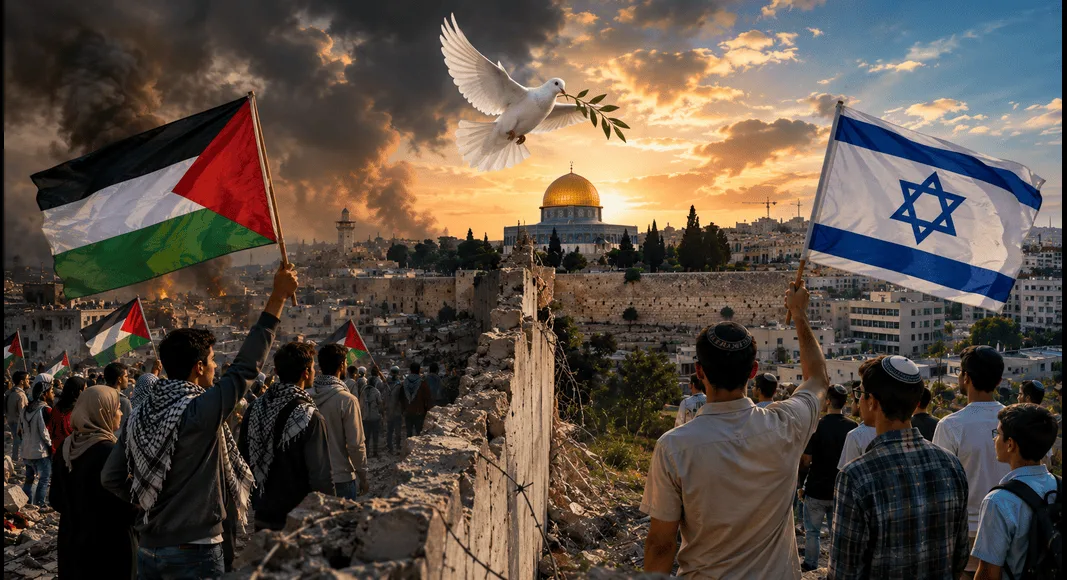
Israel-Palestine Conflict is one of the longest and most complex geopolitical disputes in modern history. It involves territorial claims, religious significance, national identity, security concerns, and the aspirations of both Israelis and Palestinians for self-determination. Over the years, the conflict has influenced international politics, regional stability in the Middle East, and global diplomatic relations.
Thank you for reading this post, don't forget to subscribe!The Israel-Palestine conflict revolves around the struggle over land historically known as Palestine. Both Jews and Palestinians claim deep historical, cultural, and religious connections to the region. The conflict has resulted in wars, displacement of people, political disagreements, and repeated efforts at peace negotiations.
Today, the dispute remains unresolved despite decades of international mediation and various peace initiatives. Understanding the history, key events, major issues, and the positions of different stakeholders is essential to understanding the conflict.
Historical Background of the Conflict
The roots of the conflict can be traced back to the late 19th and early 20th centuries when both Jewish and Arab nationalist movements emerged.
The Balfour Declaration of 1917
During World War I, Britain issued the Balfour Declaration in 1917. Through this declaration, the British government expressed support for the establishment of a national home for Jewish people in Palestine.
At the same time, Arab communities living in Palestine feared that their political and territorial rights would be threatened. This created tensions between Jewish immigrants and Arab residents.
British Mandate Period
After World War I, Palestine came under British control through the British Mandate. During this period, Jewish immigration increased significantly, especially as Jews faced persecution in Europe.
As the Jewish population grew, tensions between Arabs and Jews intensified, leading to riots, protests, and violence.
United Nations Partition Plan of 1947
After years of conflict, Britain decided to hand over the issue to the United Nations.
In 1947, the United Nations proposed a partition plan that recommended dividing Palestine into:
- A Jewish state
- An Arab state
- An internationally administered Jerusalem
Most Jewish leaders accepted the proposal. However, Arab leaders rejected it because they believed it unfairly divided the land.
Creation of Israel and the First Arab-Israeli War
Israel’s Independence in 1948
On 14 May 1948, Jewish leaders declared the establishment of the State of Israel.
Soon after, neighboring Arab countries including Egypt, Jordan, Syria, Iraq, and Lebanon launched military operations against the new state.
Result of the War
By the end of the war:
- Israel controlled more territory than originally allocated under the UN plan.
- Jordan took control of the West Bank and East Jerusalem.
- Egypt took control of the Gaza Strip.
Hundreds of thousands of Palestinians were displaced during the conflict. Palestinians refer to this event as the Nakba, meaning “catastrophe.”
Formation of the Palestine Liberation Organization (PLO)
In 1964, the Palestine Liberation Organization (PLO) was established to represent Palestinian interests.
The organization sought to create an independent Palestinian state and became the main political representative of Palestinians worldwide.
Later, under the leadership of Yasser Arafat, the PLO gained international recognition.
The Six-Day War of 1967
A major turning point came in 1967 during the Six-Day War.
Israel fought against Egypt, Jordan, and Syria and achieved a decisive military victory.
Territories Captured by Israel
Israel captured:
- West Bank
- East Jerusalem
- Gaza Strip
- Sinai Peninsula
- Golan Heights
These territorial changes remain central to the conflict today.
Palestinian Uprisings (Intifadas)
First Intifada (1987-1993)
The First Intifada was a large-scale Palestinian uprising against Israeli control in the occupied territories.
It involved protests, demonstrations, strikes, and clashes with Israeli forces.
The uprising brought global attention to Palestinian grievances.
Second Intifada (2000-2005)
The Second Intifada was more violent than the first.
It involved armed attacks, military operations, suicide bombings, and extensive casualties on both sides.
The conflict deepened mistrust between Israelis and Palestinians.
Oslo Accords and Peace Process
Oslo Accords of 1993
The Oslo Accords marked a significant breakthrough.
Under the agreement:
- Israel and the PLO officially recognized each other.
- Both sides agreed to pursue peaceful negotiations.
- The Palestinian Authority was established.
Palestinian Authority
The Palestinian Authority became responsible for administering parts of the West Bank and Gaza.
However, many key issues remained unresolved, including:
- Borders
- Jerusalem
- Refugees
- Security arrangements
Rise of Hamas
Formation of Hamas
Hamas was founded in 1987 during the First Intifada.
It emerged as an Islamist political and militant organization.
Unlike Fatah and the PLO, Hamas did not initially recognize Israel and supported armed resistance.
Hamas Electoral Victory
In 2006, Hamas won Palestinian legislative elections.
Political disagreements between Hamas and Fatah soon escalated.
Division Between Gaza and West Bank
In 2007:
- Hamas took control of Gaza.
- Fatah retained control of the Palestinian Authority in the West Bank.
This division continues to affect Palestinian politics today.
Key Territories in the Conflict
West Bank
The West Bank lies between Israel and Jordan.
Important characteristics include:
- Home to millions of Palestinians.
- Contains Israeli settlements.
- Includes the city of Ramallah, the administrative center of the Palestinian Authority.
Gaza Strip
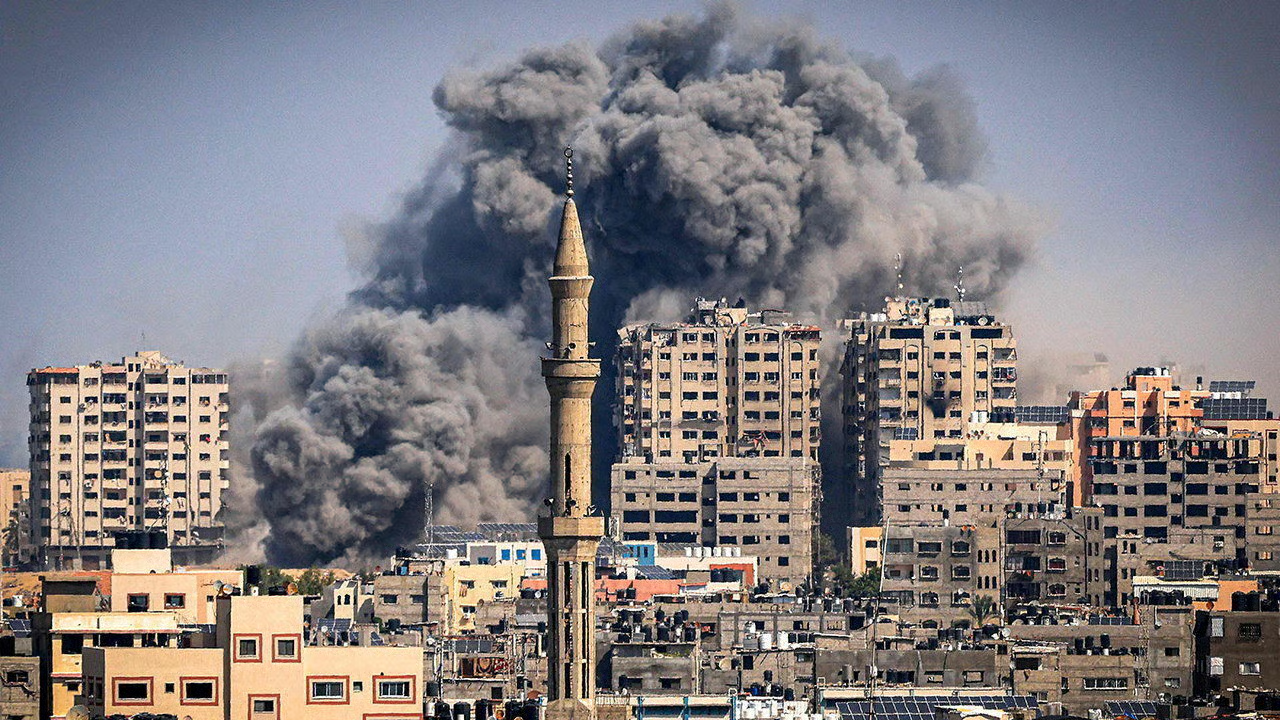
The Gaza Strip is located between Israel and Egypt.
It is one of the most densely populated regions in the world.
Although Israel withdrew settlements from Gaza in 2005, it maintains significant control over borders, airspace, and maritime access.
East Jerusalem
Jerusalem is sacred to:
- Jews
- Muslims
- Christians
Both Israelis and Palestinians claim Jerusalem as their capital.
The status of Jerusalem remains one of the most difficult issues in peace negotiations.
Golan Heights
The Golan Heights was captured by Israel from Syria in 1967.
Its strategic military importance makes it highly significant in regional politics.
The Two-State Solution
What is the Two-State Solution?
The Two-State Solution proposes:
- An independent State of Israel.
- An independent State of Palestine.
Both states would coexist peacefully and securely.
For decades, it has been viewed by much of the international community as the most practical solution.
Why the Two-State Solution is Difficult
1. Border Disputes
There is no agreement on the exact borders of a future Palestinian state.
Israeli settlements in the West Bank complicate the issue.
2. Jerusalem
Both sides claim Jerusalem as their capital.
Finding a mutually acceptable arrangement remains extremely challenging.
3. Refugee Issue
Millions of Palestinian refugees and their descendants seek recognition of their rights.
Israel opposes large-scale refugee return due to demographic concerns.
4. Security Concerns
Israel prioritizes security against attacks.
Palestinians seek freedom from military restrictions and occupation.
5. Political Divisions
Differences among Palestinian groups and varying political views within Israel make negotiations more difficult.
International Involvement
The conflict has attracted attention from many international organizations and countries.
United Nations
The United Nations has passed numerous resolutions concerning:
- Palestinian rights
- Israeli settlements
- Refugee issues
- Peace negotiations
United States
The United States has traditionally been one of Israel’s strongest allies.
It has also acted as a mediator in several peace efforts.
Arab Nations
Arab countries have generally supported Palestinian aspirations while also pursuing their own strategic interests.
Global Position on the Conflict
Today:
- Most countries recognize Israel.
- Many countries also support the creation of an independent Palestinian state.
- Numerous nations maintain diplomatic relations with both sides.
The international community generally supports peaceful negotiations and a long-term political solution.
India’s Position on Israel-Palestine Conflict
India has historically supported Palestinian self-determination while maintaining growing relations with Israel.
Support for Palestine
- Recognized the PLO as the representative of Palestinians.
- Recognized the State of Palestine in 1988.
- Consistently supported Palestinian rights in many international forums.
Relations with Israel
India recognized Israel in 1950 and later established full diplomatic relations.
Today, Israel is an important partner for India in:
- Defence cooperation
- Agriculture
- Technology
- Trade
- Innovation
Balanced Approach
India currently follows a balanced policy by maintaining strong relations with both Israel and Palestine.
This approach allows India to protect its strategic interests while supporting peaceful dialogue.
Major Challenges in Achieving Peace
Several factors continue to prevent a lasting settlement:
- Territorial disputes
- Expansion of settlements
- Security concerns
- Religious sensitivities
- Political instability
- Refugee demands
- Lack of mutual trust
These issues have made peace negotiations extremely complicated.
Importance of Peace in the Region
A peaceful resolution would bring several benefits:
- Regional stability
- Economic development
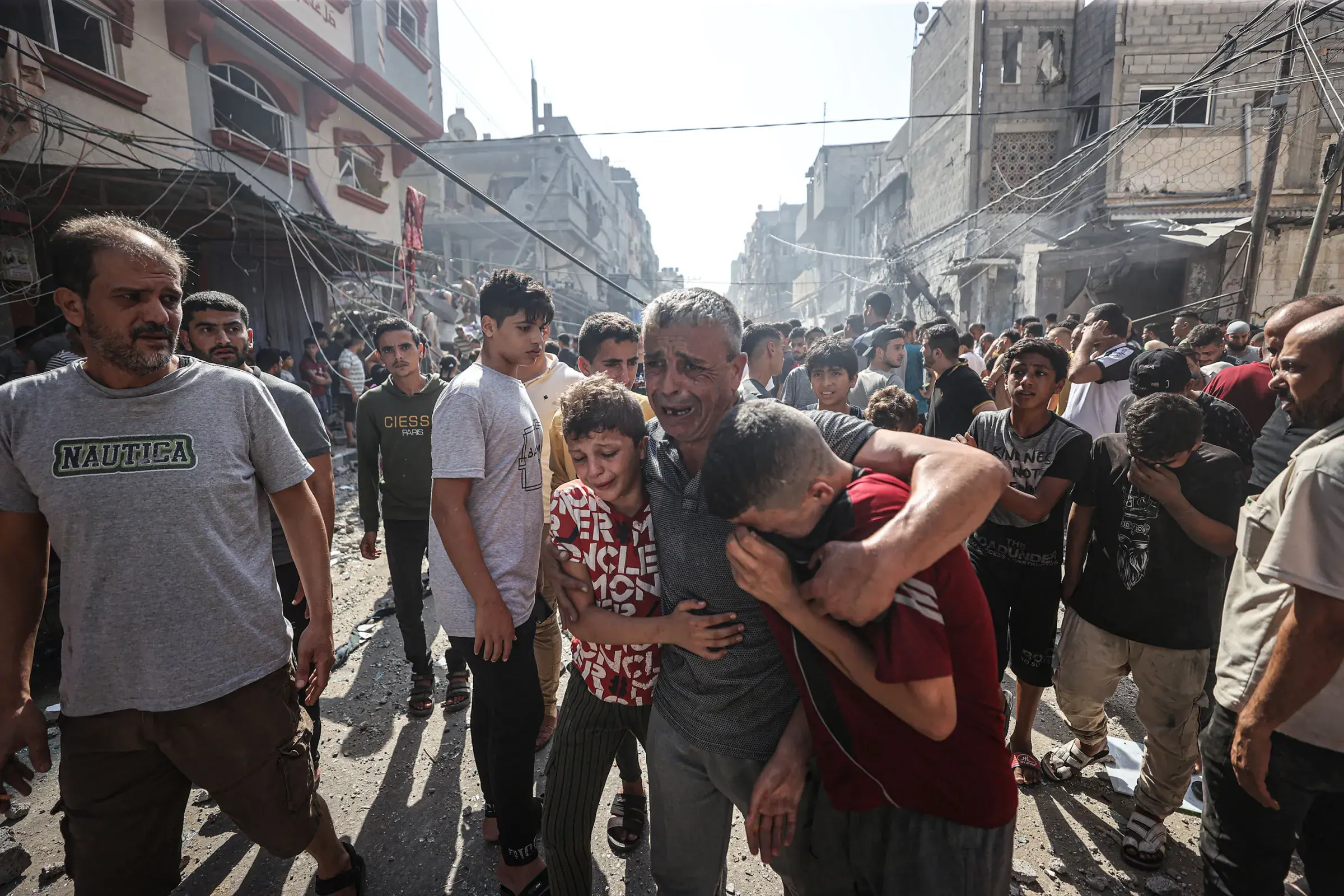
- Better humanitarian conditions
- Improved diplomatic relations
- Reduced violence and conflict
Peace would benefit not only Israelis and Palestinians but also the wider Middle East and international community.
Conclusion
The Israel-Palestine Conflict remains one of the most significant and complex disputes in the world. Its roots stretch back more than a century and involve historical claims, national identity, territory, security, and religion. Despite numerous wars, peace talks, and international efforts, a final settlement has not yet been achieved.
The future of the region depends on constructive dialogue, mutual understanding, and a commitment to peaceful coexistence. While challenges remain significant, continued diplomatic engagement and international support can help create conditions for a stable and lasting peace between Israelis and Palestinians.
FAQs About Israel-Palestine Conflict
1. What is the Israel-Palestine Conflict?
The Israel-Palestine Conflict is a long-standing dispute between Israelis and Palestinians over land, sovereignty, security, and national identity.
2. When did the Israel-Palestine Conflict begin?
The roots of the conflict can be traced back to the early 20th century, especially after the Balfour Declaration of 1917 and the creation of Israel in 1948.
3. What was the UN Partition Plan of 1947?
The UN proposed dividing Palestine into separate Jewish and Arab states, with Jerusalem under international administration.
4. What is the West Bank?
The West Bank is a territory located between Israel and Jordan, claimed by Palestinians as part of a future independent state.
5. What is the Gaza Strip?
The Gaza Strip is a small coastal territory between Israel and Egypt that is currently governed by Hamas.
6. What is the Two-State Solution?
The Two-State Solution proposes the creation of an independent Palestine alongside Israel, allowing both nations to coexist peacefully.
7. Why is Jerusalem important in the conflict?
Jerusalem is a holy city for Jews, Muslims, and Christians, and both Israel and Palestine claim it as their capital.
8. What is Hamas?
Hamas is a Palestinian political and militant organization that controls Gaza and has been involved in conflicts with Israel.
9. What role does the United Nations play in the conflict?
The United Nations supports peace efforts, humanitarian aid, and resolutions aimed at resolving the dispute.
10. What is India’s position on the Israel-Palestine issue?
India supports a peaceful two-state solution while maintaining diplomatic and strategic relations with both Israel and Palestine.