


Cambodia Fossil Fuel Treaty Support Marks a Turning Point at COP30

Cambodia Fossil Fuel Treaty Support is emerging as one of the most significant developments at COP30 in Brazil. With Cambodia formally joining the coalition advocating for a global Fossil Fuel Non-Proliferation Treaty, the international push for a structured, binding phase-out of coal, oil and gas has gained renewed momentum. The country’s endorsement not only strengthens the growing alliance but also sends a signal that developing economies are ready to participate in global fossil fuel transition efforts provided adequate support mechanisms are in place.
Thank you for reading this post, don't forget to subscribe!Cambodia Fossil Fuel Treaty Support: Cambodia’s Announcement and Its Significance
Cambodia’s official declaration came during a high-level session where its representatives confirmed the nation’s commitment to the proposed treaty. With this decision, Cambodia becomes the eighteenth country to formally endorse the initiative, while several others continue to observe the negotiation process.
In its announcement, Cambodia underscored the urgent need for fairness and equity in the global transition away from fossil fuels. Acknowledging that developing countries often shoulder disproportionate burdens despite contributing the least to historical emissions Cambodia highlighted the necessity of technology transfer, climate financing and long-term capacity-building. These elements, the country argued, are essential for ensuring that low-income and climate-vulnerable nations can transition without jeopardising economic stability or social welfare.
This stance resonates strongly with ongoing debates at COP30. Many nations have pointed out that while fossil fuel reduction is essential to protect the planet, the transition must not replicate old inequities or deepen existing development gaps.
Cambodia Fossil Fuel Treaty Support: Objectives of the Proposed Treaty
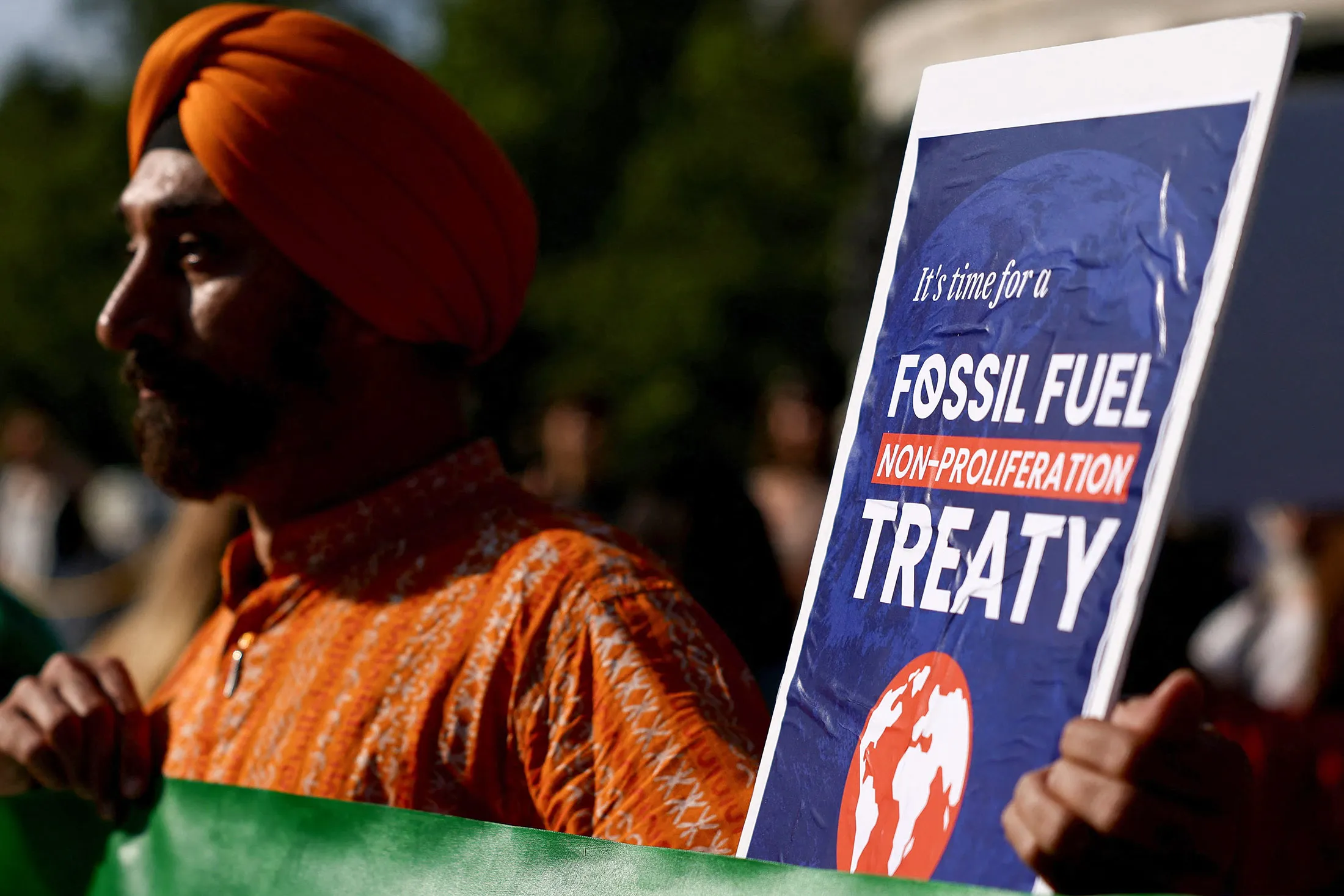
At the core of the proposed Fossil Fuel Non-Proliferation Treaty lies a clear and ambitious mission: to establish a binding international agreement that phases out fossil fuels in a planned, fair and scientifically aligned manner.
The treaty’s key objectives include:
- Halting new fossil fuel expansion, preventing further investments in the coal, oil and gas sectors.
- Managing a coordinated global phase-out, ensuring that countries reduce fossil fuel production in line with the 1.5°C climate target.
- Strengthening global support systems, with increased funding, technology-sharing and capacity-building for vulnerable and developing nations.
Supporters argue that while the Paris Agreement addresses emissions, it does not explicitly regulate the production of fossil fuels. This treaty aims to fill that gap by introducing a concrete mechanism to tackle the root cause of the climate crisis: continued fossil fuel extraction and combustion.
For advocates, the treaty also brings clarity and accountability at a time when global climate efforts need stronger enforcement and unified action. It represents a proactive approach to preventing future fossil fuel lock-ins while enabling countries to shift towards renewable and resilient alternatives.
Cambodia Fossil Fuel Treaty Support: Regional Support and Broader Climate Diplomacy
Cambodia’s endorsement has been particularly welcomed across Asia. Ministers and climate representatives from Nepal, Sri Lanka and other Asian economies voiced strong solidarity with the treaty’s principles. Many highlighted that developing countries, especially in South Asia and Southeast Asia, face heightened climate vulnerabilities from rising sea levels to intensified storms and unpredictable monsoon patterns.
Regional climate networks and civil society groups have also applauded Cambodia’s decision. They believe it may encourage other Southeast Asian countries to take a formal position, potentially shifting regional diplomacy in favour of fossil fuel phase-out commitments. Given that Asia remains one of the world’s largest consumers of coal and oil, growing support from the region carries significant geopolitical weight.
The move also aligns with an increasing global conversation about climate justice. Countries most affected by climate change continue to stress that meaningful climate action cannot be achieved without addressing the structural dependence on fossil fuels.
Cambodia Fossil Fuel Treaty Support: Concerns of Vulnerable Nations and Next Steps
Small island states and climate-vulnerable countries, such as Vanuatu, Tuvalu and several Caribbean nations, remain vocal about the existential threats they face due to rising temperatures and sea-level rise. At COP30, representatives once again emphasized that fossil fuel dependence worldwide continues to drive the climate crisis at a pace they cannot withstand.
They urged major emitters both developed and emerging to take stronger, more transparent actions and to join the treaty negotiations without delay. Their message was clear: survival hinges on decisive global cooperation.
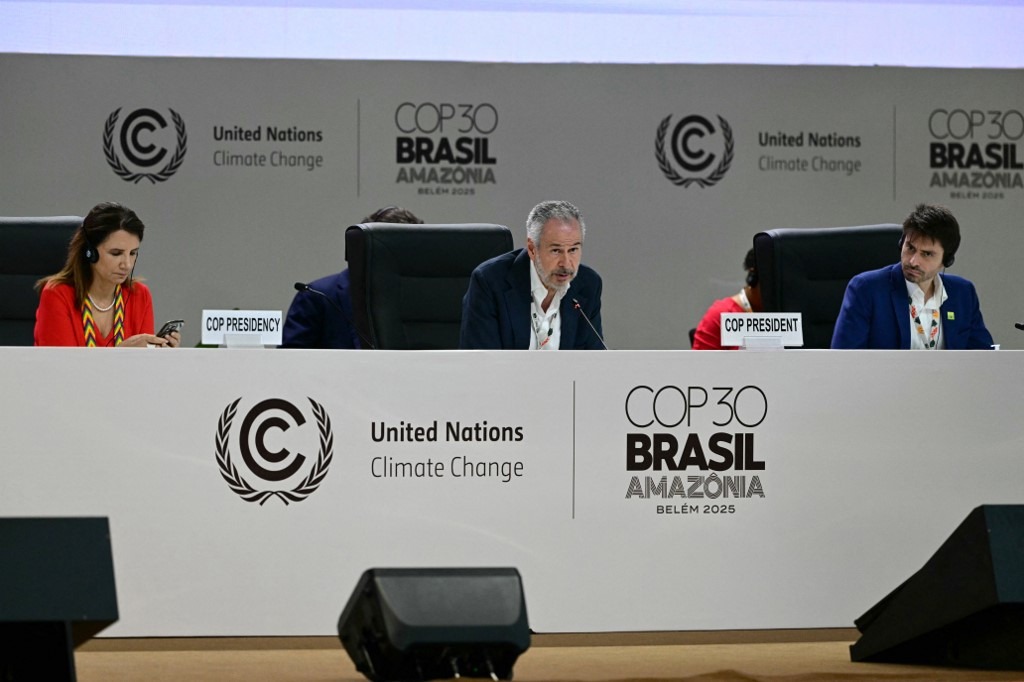
The outcomes of COP30 are expected to shape the roadmap towards the International Conference on the Phase-Out of Fossil Fuels, scheduled for April 2026 and hosted by Colombia. This upcoming conference will mark the first global platform dedicated exclusively to coordinating fossil fuel reduction efforts. Cambodia’s support, along with growing pressure from vulnerable states, is likely to influence the preparatory discussions and accelerate broader engagement.
Moving forward, countries will need to negotiate the operational details of the treaty funding mechanisms, transition timelines, and accountability systems. For many developing nations, assurances of support will determine how quickly and effectively they can shift to sustainable alternatives.
Cambodia’s decision to join the coalition adds momentum at a critical moment in global climate negotiations. As the world edges closer to key turning points for climate action, the nation’s endorsement strengthens the moral, political and diplomatic call for a global fossil fuel phase-out one that is fair, inclusive and aligned with the planet’s scientific realities.