




Child Cough Medicine Restriction for Children Below Four Years

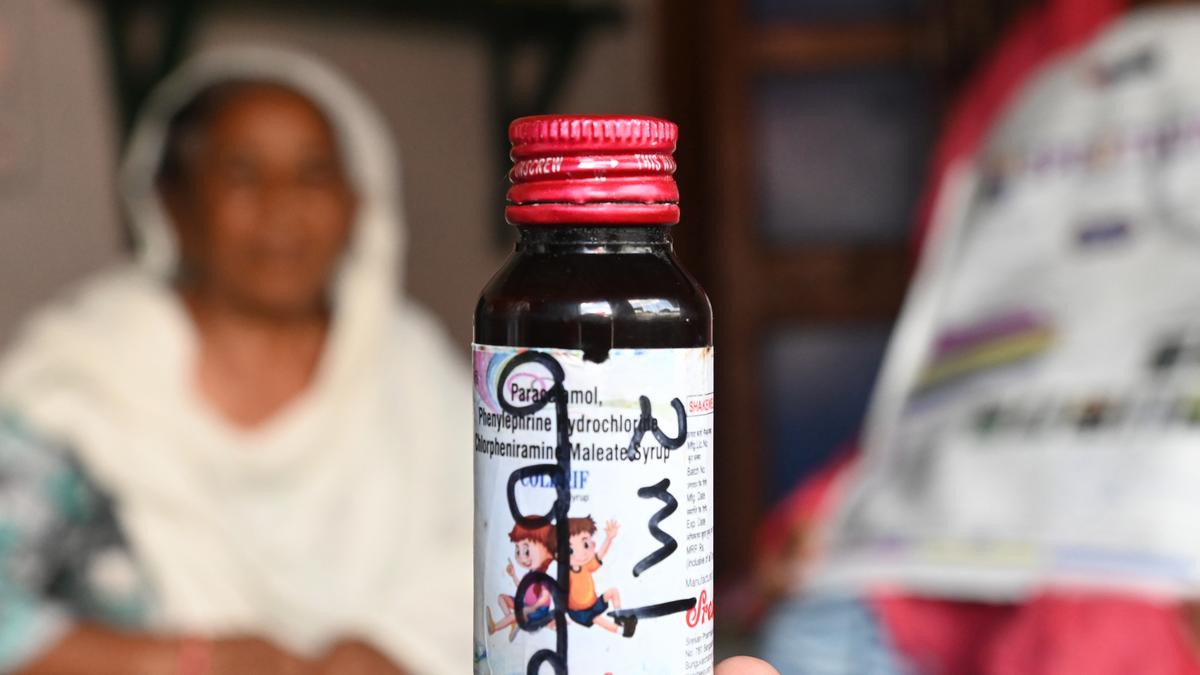
Child Cough Medicine Restriction has been introduced by the Government of India for certain fixed-dose cough and cold medicines used by children below four years of age. The Union Ministry of Health and Family Welfare has restricted the manufacture, sale and distribution of medicines containing a combination of Chlorpheniramine Maleate and Phenylephrine Hydrochloride for this age group. The move is part of the government’s wider effort to improve medicine safety and ensure the careful use of drugs among young children.
Thank you for reading this post, don't forget to subscribe!The new order applies to fixed-dose combinations containing these ingredients, including syrups and drops meant for cough and cold symptoms. Manufacturers are also required to carry a clear warning that these combinations should not be used for children below four years of age.
What Are the Medicines Covered by the Restriction?
The Child Cough Medicine Restriction focuses on a combination of two commonly used ingredients. Chlorpheniramine Maleate is an antihistamine that is generally used to help reduce allergy-related symptoms. Phenylephrine Hydrochloride is a decongestant commonly used in medicines for blocked noses and cold symptoms.
These ingredients are found in some combination cough and cold medicines. However, the government’s latest decision specifically concerns their combined use in children below four years of age. The restriction does not mean that every cough or cold medicine has been banned. Instead, it applies to specific fixed-dose combinations and a particular age group.
Government Uses Section 26A for Drug Safety
The order was issued under Section 26A of the Drugs and Cosmetics Act, 1940. This provision allows the Central Government to regulate or prohibit the manufacture, sale or distribution of medicines when action is needed in the public interest.
Drug safety is an important issue, especially when medicines are used by infants and young children. Young children can respond differently to medicines because their bodies are still developing. For this reason, health authorities regularly review medicines, their combinations and their recommended age groups.
Under the latest order, manufacturers must clearly display a warning stating that the fixed-dose combination should not be used in children below four years of age. The warning will need to appear on medicine labels, packaging, inserts and promotional materials.
Expert Review Led to the New Decision
The decision followed an assessment by an Expert Committee and consideration by the Drugs Technical Advisory Board, commonly known as DTAB. These bodies provide technical advice on medicines and drug safety in India.
The Central Drugs Standard Control Organisation, or CDSCO, also plays an important role in monitoring medicines and enforcing drug regulations across the country. The organisation works to ensure that medicines available in India meet required standards for quality, safety and proper use.
The latest action is also connected to the government’s wider review of fixed-dose combinations. In recent years, Indian health authorities have increased scrutiny of medicines that contain multiple active ingredients in a single product. In June 2026, the government also took action against several other fixed-dose combinations considered unsuitable for human use.
Why Child Medicine Safety Is Important
The Child Cough Medicine Restriction highlights the growing focus on safe medicine use for children. Parents often use cough and cold syrups for common seasonal illnesses, especially during periods of changing weather and viral infections. However, doctors and health experts generally stress that medicines for young children should be used carefully and according to proper medical advice.
A cough or cold can have different causes, and not every child needs the same medicine. Parents are advised to check medicine labels carefully and follow the instructions provided by qualified healthcare professionals.
The new rule also places greater responsibility on pharmaceutical companies to provide clear information on medicine packs. Better labelling can help parents, pharmacists and healthcare workers identify age-related restrictions more easily.
A Wider Focus on Medicine Regulation in India
India’s healthcare system has been giving greater attention to medicine quality, drug safety and the responsible use of pharmaceutical products. The latest restriction reflects this continuing effort to review medicines based on scientific evidence and expert recommendations.
The government has made it clear that the restriction is specifically aimed at protecting children below four years of age from the use of the concerned fixed-dose combination. As health regulations continue to evolve, clear warnings, proper medical guidance and responsible use of medicines remain important for protecting public health.