



Childhood Obesity Rising In India: Millions of Children Affected by Growing Health Crisis

Childhood Obesity Rising In India has become a major public health concern, according to the World Obesity Atlas 2026 released on March 4 to mark World Obesity Day. The report highlights a sharp increase in the number of overweight and obese children across the country, signaling a worrying trend that could affect the future health of millions.
Thank you for reading this post, don't forget to subscribe!Millions of Children Facing Obesity Risk
The report published by the World Obesity Federation estimates that in 2025 nearly 15 million children aged 5–9 in India were overweight or obese. In addition, more than 26 million adolescents aged 10–19 were also affected.
These figures show that Childhood Obesity Rising In India is becoming a widespread issue that needs urgent attention. Health experts warn that rising obesity among young people increases the risk of serious diseases later in life, including heart disease and diabetes.
India Ranks Second Globally
Globally, more than 200 million school-age children between 5 and 19 years are living with overweight or obesity. These cases are mainly concentrated in ten countries.
India ranks second in the world after China in the number of children with high Body Mass Index (BMI). China has about 62 million children with high BMI, including 33 million living with obesity.
India follows with around 41 million children with high BMI, including 14 million classified as obese. The United States ranks third with about 27 million children with high BMI and 13 million living with obesity.
Global Efforts to Reduce Obesity Falling Short
Experts warn that global efforts to reduce childhood obesity are not progressing as planned. According to the World Obesity Federation, the world is likely to miss the global target of halving the rise in childhood obesity by 2025.
The target has now been extended to 2030, but many countries, including India, are still far from achieving it. The report also predicts that by 2040, around 507 million children worldwide could be living with overweight or obesity if current trends continue.
Lifestyle Factors Driving the Rise
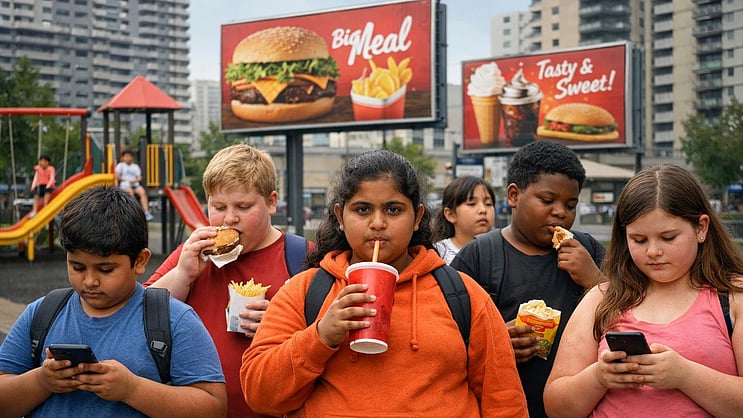
Several lifestyle and health factors are contributing to Childhood Obesity Rising In India. The report notes that 74 percent of adolescents aged 11–17 do not meet recommended physical activity levels.
School nutrition is also a concern, as only 35.5 percent of school-age children receive school meals regularly. Early childhood nutrition also plays a role, with 32.6 percent of infants aged one to five months experiencing sub-optimal breastfeeding.
Diet habits are another important factor. Children aged six to ten consume sugary drinks averaging about 50 millilitres per day, which can increase the risk of weight gain.
Among women aged 15 to 49 in India, 13.4 percent have high BMI, and about 4.2 percent live with Type 2 Diabetes, showing how obesity affects different age groups.

Need for Stronger Policy Actions
Health experts believe stronger policies are needed to control the rising obesity problem. Suggested measures include taxes on sugar-sweetened beverages, stricter rules on marketing unhealthy foods to children, and encouraging more physical activity among young people.
Without stronger action, the growing trend of Childhood Obesity Rising In India could lead to serious long-term health challenges for the country.