

DURGA Scheme Gets 1,300 E-Autos

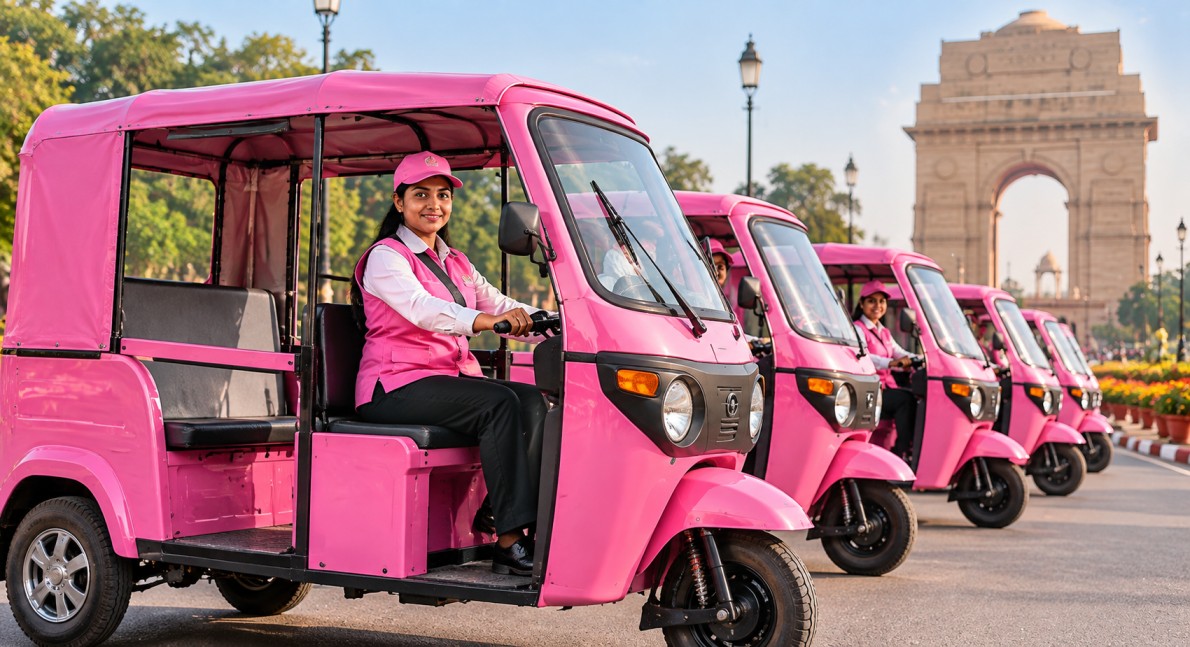
DURGA Scheme has been approved by the Delhi government to provide 1,300 pink electric autos to women and transgender persons, creating new opportunities for self-employment in the capital’s public transport sector. The Delhi Cabinet approved the scheme on September 23, 2026, with 1,170 e-autos reserved for women and 130 for transgender beneficiaries. The initiative also connects employment support with Delhi’s shift towards electric mobility.
Thank you for reading this post, don't forget to subscribe!DURGA Scheme Expands E-Auto Opportunities
DURGA stands for Driving Upliftment and Rozgar for Women/Transgender Green e-Auto. The scheme is designed to help women and transgender persons become owners and drivers of electric autos rather than depending only on rented vehicles.
The first phase will cover 1,300 e-autos across Delhi. A maximum of 90 e-autos for women and up to 10 for transgender beneficiaries will be allocated in each revenue district. Applications will be invited through a dedicated online portal. If the number of eligible applications is higher than the available permits, the final selection will be made through a draw of lots.
The expansion from the original budget proposal is notable. When the scheme was announced in the 2026-27 Delhi Budget, assistance was initially proposed for 1,000 women and 100 transgender persons, with an allocation of ₹20 crore. The approved first phase now covers 1,300 e-autos.
Financial Support Under Delhi EV Policy
The DURGA Scheme is linked with the Delhi Electric Vehicle Policy 2026–30. Eligible beneficiaries can receive applicable purchase incentives for electric autos under the policy.
The planned support includes a purchase incentive of up to ₹50,000 for an electric three-wheeler in the first year. Electric vehicles covered by the Delhi EV Policy also receive applicable road-tax and registration-fee benefits.
The Delhi government has also planned wider financial support for the transition to electric mobility. The current EV policy runs from July 1, 2026, to March 31, 2030, and includes incentives for different types of electric vehicles along with measures to expand charging infrastructure.
Who Can Apply for DURGA Scheme
The scheme is aimed at people who meet specific eligibility conditions. Applicants are required to be between 20 and 40 years old and must be residents of Delhi.
They must have a valid voter identity card, a light motor vehicle driving licence and a Public Service Vehicle badge required for commercial passenger transport. The applicant’s family income must be below ₹5 lakh a year, and applicants should not already own a commercial three-wheeler.
The scheme also includes conditions relating to family eligibility. Reports on the scheme state that only one woman from a family can receive the benefit, while married women with children are eligible where the children are below 18 years of age.
Pink E-Autos to Carry Safety Information
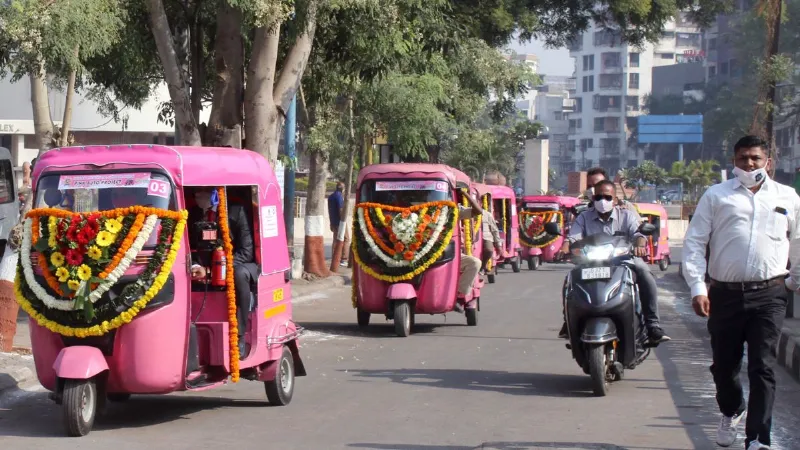
The electric autos under the DURGA Scheme will have a distinct identity so passengers can recognise authorised drivers.
Selected drivers will receive special DURGA jackets, caps and identity cards. The vehicles are also expected to display women’s helpline and emergency contact numbers. These features are intended to make the vehicles easier to identify and provide passengers with access to emergency information.
The government is also looking at linking beneficiaries with online cab and auto-aggregator platforms. This could give drivers access to digital passenger demand rather than relying entirely on roadside stands or street-level bookings.
E-Autos Near Metro and RRTS Stations
The scheme is also connected with Delhi’s wider public transport network. Plans reported ahead of the Cabinet approval included operating the e-autos around high-demand locations, particularly near Delhi Metro and Regional Rapid Transit System stations.
Dedicated parking areas and charging facilities are also being considered near these transport hubs. Such arrangements would allow e-auto drivers to provide last-mile connectivity between major public transport stations and nearby residential or commercial areas.
This approach comes as Delhi continues to expand electric mobility. The city’s EV policy includes plans for a much larger charging network and incentives aimed at increasing the use of electric vehicles.
Green Mobility and Public Transport
The DURGA Scheme combines two policy areas: employment and clean transport. Electric autos do not use petrol or diesel directly and instead rely on rechargeable batteries and electric motors.
Delhi has been increasing its focus on electric vehicles as part of efforts to reduce pollution from road transport. The Delhi EV Policy 2026–30 includes purchase incentives, tax benefits, scrappage support and charging infrastructure measures for different categories of electric vehicles.
For three-wheeler drivers, the transition also involves changes in vehicle ownership and operating costs. The DURGA Scheme specifically focuses on providing eligible women and transgender persons with access to e-auto ownership and permits.
Wider Transport Measures in Delhi
The new scheme comes alongside several other transport and mobility measures being introduced in Delhi during 2026. The government has also been developing initiatives aimed at improving access to public transport for women and transgender residents.
Earlier in 2026, Delhi introduced the Pink National Common Mobility Card, which is linked to free travel for eligible women and transgender persons on DTC and cluster buses. The card can also be used for paid journeys on other participating public transport systems, including the Delhi Metro and Regional Rapid Transit System.
The government has also proposed measures for women’s safety, including additional support centres and surveillance infrastructure. These initiatives form part of a wider focus on mobility, access and safety in the capital.
Online Application and Selection Process
Applications for the DURGA Scheme will be submitted through a dedicated online portal once the application process opens. Applicants will need to provide the required documents and meet the eligibility conditions.
The government plans to use a draw of lots if eligible applications exceed the number of available permits. This means that meeting the eligibility requirements will not automatically guarantee selection when applications are higher than the available 1,300 slots.
The first phase will therefore create a defined number of opportunities across Delhi’s revenue districts, with separate allocations for women and transgender beneficiaries.
Delhi’s Electric Mobility Push Continues
The approval of the DURGA Scheme comes as Delhi’s 2026–30 EV policy moves into implementation. The policy provides incentives for electric two-wheelers, three-wheelers, cars and other vehicle categories, while the government is also expanding charging infrastructure.
With 1,300 pink e-autos planned in its first phase, the DURGA Scheme adds an employment-focused element to Delhi’s electric mobility programme and creates a dedicated pathway for women and transgender persons to participate in the city’s growing electric public transport sector.