


India Submarine Deal With Germany

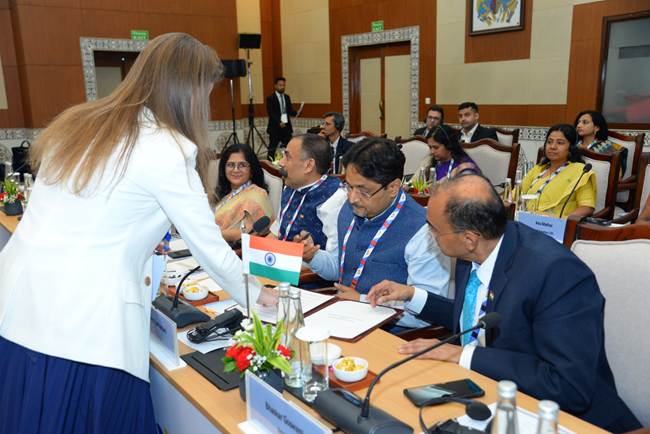
India Submarine Deal with Germany is moving closer to a possible agreement for six conventional submarines under Project 75(I). Germany has indicated that it is ready to sign a government-to-government agreement with India for the proposed submarine programme. The deal is estimated at around $8 billion, with different estimates putting its value between ₹70,000 crore and more than ₹90,000 crore.
Thank you for reading this post, don't forget to subscribe!The proposed partnership involves Germany’s Thyssenkrupp Marine Systems and India’s Mazagon Dock Shipbuilders Limited. Instead of importing the submarines as finished platforms, the plan focuses on manufacturing them in India through an industrial partnership.
Project 75(I) Submarine Programme
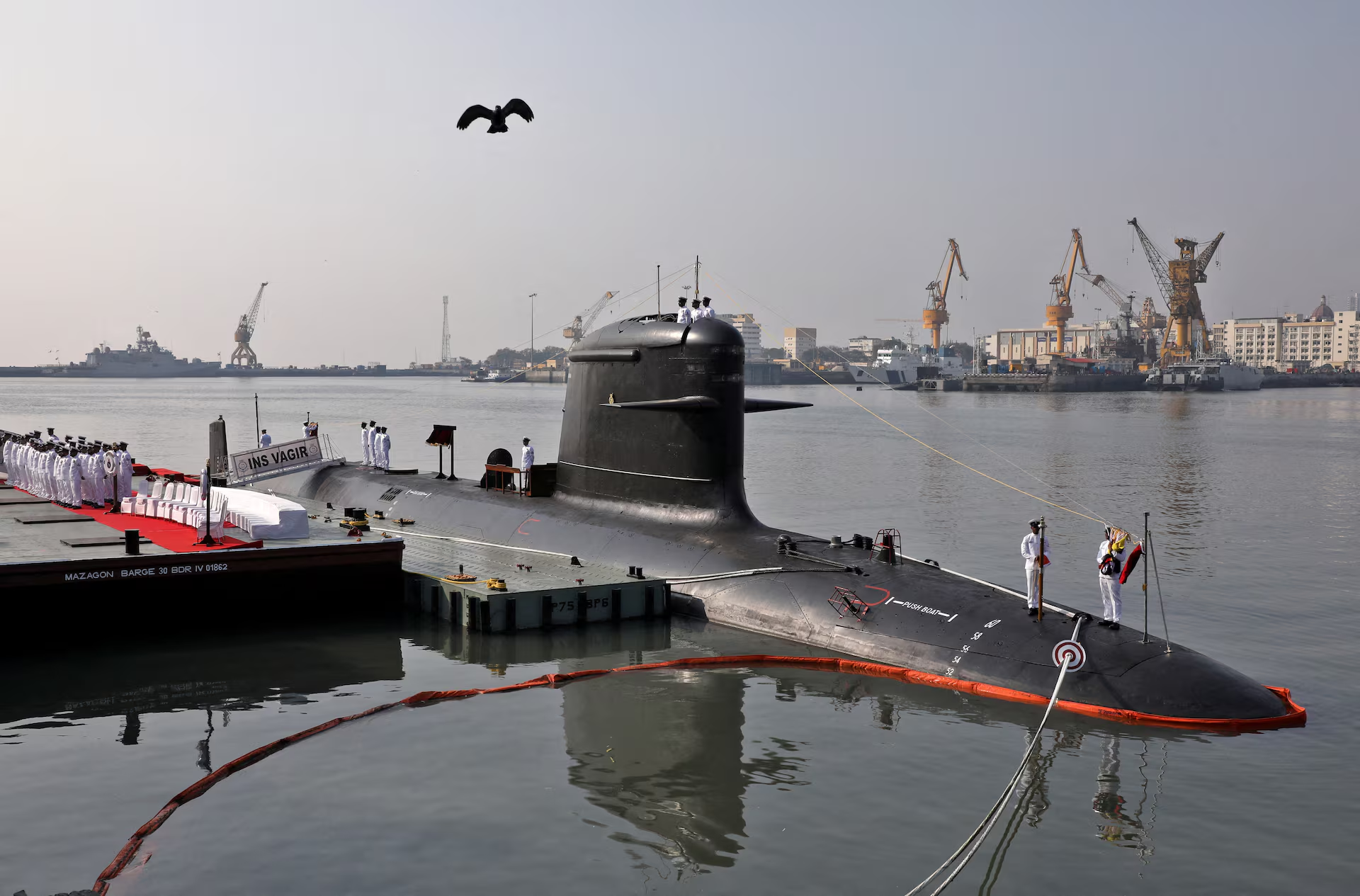
Project 75(I) is an important submarine acquisition programme of the Indian Navy. It aims to build six conventional submarines equipped with air-independent propulsion, commonly known as AIP.
Air-independent propulsion allows a conventional submarine to remain underwater for longer periods without needing to regularly surface or use its diesel engines for oxygen. This can improve the submarine’s underwater endurance and operational flexibility.
The programme is part of India’s broader effort to strengthen and modernise its underwater fleet. The planned submarines are expected to add new capabilities to the Indian Navy while also supporting domestic shipbuilding.
Germany Ready for Government-to-Government Agreement
Germany has completed its documentation for the proposed agreement and is prepared to move ahead with the government-to-government arrangement.
The India Submarine Deal is expected to involve direct cooperation between the two governments along with industrial participation from the companies involved. Such an arrangement can provide a framework for technology sharing, production and long-term cooperation.
However, the agreement still requires the necessary approvals from the Indian side before the final contract can be signed.
Cabinet Approval Still Required
The proposed submarine agreement is awaiting final approval from India’s Cabinet Committee on Security (CCS). The CCS is responsible for taking important decisions related to national security and strategic matters.
Large defence agreements normally go through several stages before they are formally signed. These can include technical evaluation, financial assessment, security review and approval from the appropriate government authorities.
The final approval will therefore be an important step for the India Submarine Deal before the agreement can move towards implementation.
Role of Mazagon Dock Shipbuilders
Mazagon Dock Shipbuilders Limited, based in Mumbai, is expected to play a central role in the submarine programme. The company is one of India’s major defence shipyards and has experience in building warships and submarines for the Indian Navy.
Under the proposed arrangement, Mazagon Dock would be involved in manufacturing the submarines in India. This would allow the project to contribute to domestic shipbuilding capabilities and create experience in producing complex underwater platforms.
The programme could also involve Indian suppliers and other companies in different parts of the production chain.
Thyssenkrupp Marine Systems as German Partner
Thyssenkrupp Marine Systems is the German industrial partner associated with the programme. The company is known for submarine design, construction and naval technology.
Its involvement could provide India with access to German submarine technology and technical know-how. The partnership is expected to support the construction of the submarines in India rather than treating the project as a simple import arrangement.
Technology cooperation is an important part of the proposed project because submarine construction requires highly specialised engineering, materials, electronics and underwater systems.
Technology Transfer and Local Manufacturing
A major feature of the proposed India Submarine Deal is technology transfer. The agreement is expected to support the transfer of technical knowledge required for submarine construction and integration in India.
Building submarines locally can help India develop greater expertise in areas such as underwater engineering, propulsion, sensors, combat systems and platform integration.
Local manufacturing can also strengthen India’s defence industrial base. Over time, greater domestic capability can support maintenance, upgrades and future submarine programmes.
Strengthening India’s Submarine Fleet
India operates a mix of conventional diesel-electric submarines and nuclear-powered submarines. Conventional submarines remain an important part of maritime security because they can operate in different underwater environments and perform a range of missions.
The six submarines planned under Project 75(I) would add new platforms to the Navy’s conventional submarine fleet. Their AIP systems are intended to provide longer underwater endurance compared with conventional submarines without such technology.
The programme is therefore linked to the broader modernisation of India’s naval capabilities.
Defence Cooperation Between India and Germany
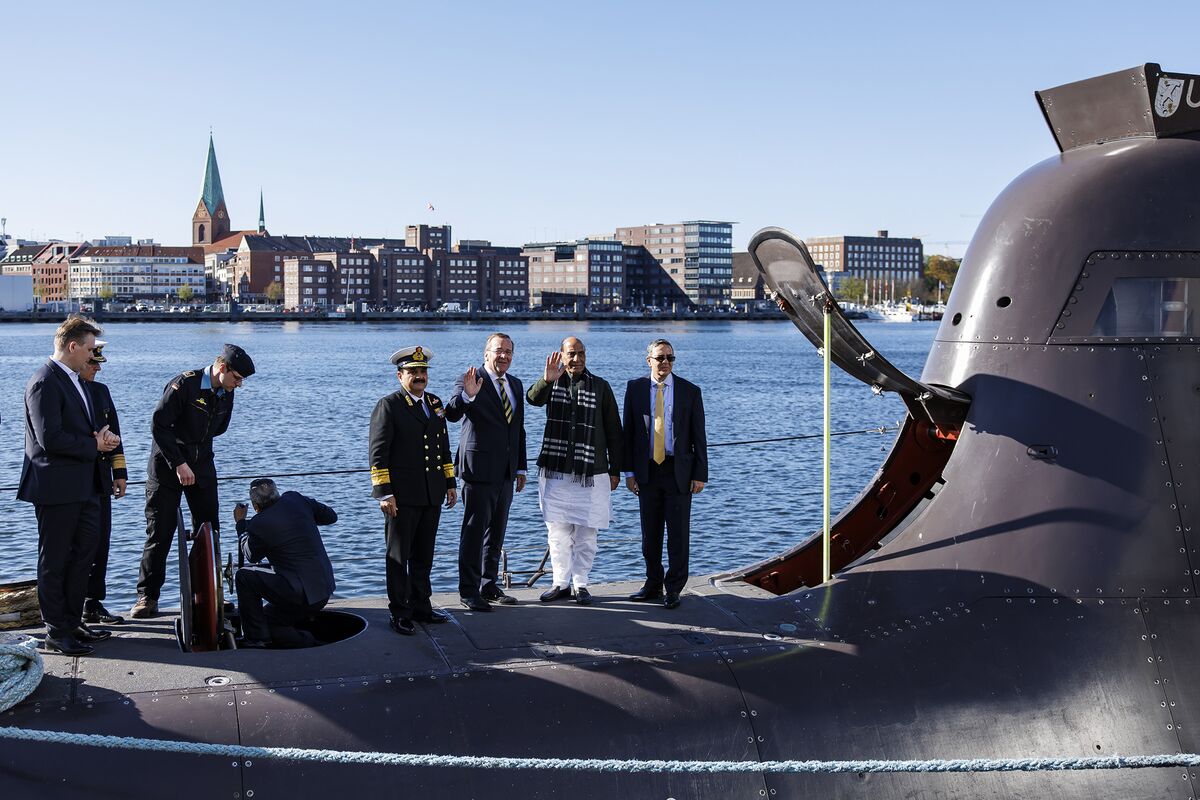
India and Germany have expanded their defence relationship in recent years through discussions on naval technology, industrial cooperation and strategic security.
The proposed submarine project represents a significant area of potential cooperation because it combines defence manufacturing with advanced technology.
For Germany, the project would provide an opportunity to expand industrial cooperation with India. For India, the partnership could support domestic manufacturing and access to advanced submarine technology.
Possible Economic and Industrial Impact
The India Submarine Deal could have an impact beyond the construction of the six submarines. Large defence manufacturing projects usually involve a network of suppliers, engineering companies, component manufacturers and service providers.
A substantial share of production in India could create opportunities for Indian companies involved in electronics, engineering, precision manufacturing and defence equipment.
The project could also contribute to the development of skilled manpower for complex naval manufacturing. Experience gained during the programme could be useful for future shipbuilding and submarine projects.
Project 75(I) and India’s Defence Manufacturing Goals
Project 75(I) fits into India’s wider push to increase domestic defence production. The government has increasingly focused on building major defence platforms within the country and encouraging partnerships between Indian and foreign companies.
The proposed German partnership combines foreign technology with Indian manufacturing capacity. This model could help develop local expertise while allowing Indian shipyards to work with an established international submarine designer.
The final shape of the programme will depend on the completion of government approvals and the formal signing of the agreement.
What the Deal Could Mean for the Indian Navy
If approved and implemented, the programme would provide the Indian Navy with six new conventional submarines equipped with air-independent propulsion. The project would also strengthen India’s ability to build advanced submarines domestically.
For the defence industry, the agreement could create a long-term manufacturing partnership between Mazagon Dock Shipbuilders and Thyssenkrupp Marine Systems.
As the approval process continues, the proposed India Submarine Deal remains closely linked to India’s submarine modernisation plans, domestic shipbuilding capacity and growing defence-industrial cooperation with Germany.