EU Designates IRGC Terrorist: Europe Takes Historic Step Against Iran’s Elite Force

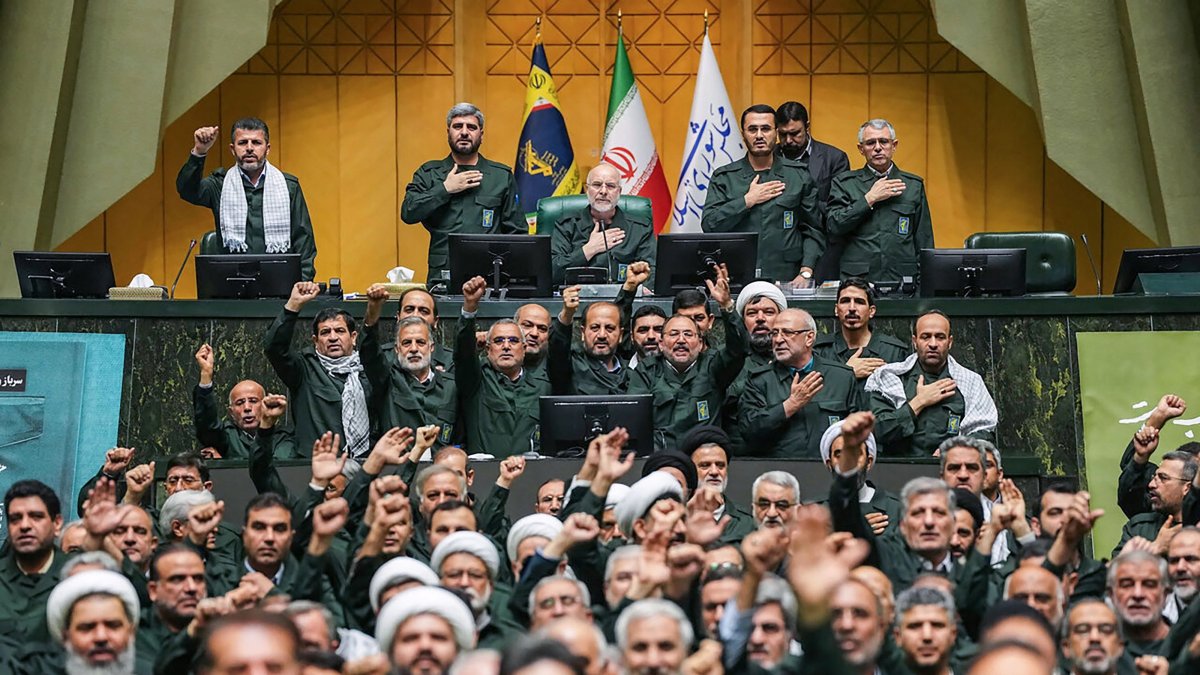
EU Designates IRGC Terrorist this landmark decision by the European Union signals a major shift in Europe’s approach towards Iran and its powerful Islamic Revolutionary Guard Corps (IRGC). By placing the IRGC on the EU’s official list of terrorist organisations, Europe has taken one of its strongest actions yet against Tehran. The move reflects growing concern over human rights abuses inside Iran, as well as fears about the IRGC’s influence on regional instability and global security.
Thank you for reading this post, don't forget to subscribe!The designation places the IRGC in the same category as extremist groups such as Islamic State and al Qaeda. This step not only carries symbolic weight but also introduces strict legal and financial consequences that could significantly limit the organisation’s ability to operate within European borders.
Understanding the IRGC and Its Role in Iran
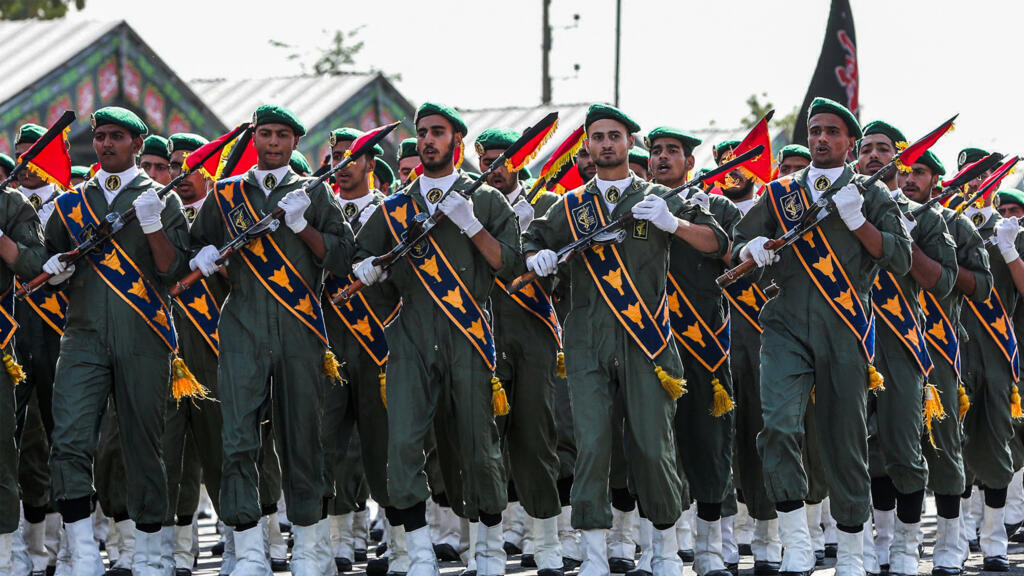
The Islamic Revolutionary Guard Corps was established in 1979 following Iran’s Islamic Revolution. Its original mission was to protect the new political system and ensure the survival of the clerical leadership. Over the decades, the IRGC has evolved into one of the most powerful institutions in Iran.
Unlike a conventional military force, the IRGC holds influence across multiple sectors. It controls elite military units, intelligence networks, and strategic weapons programmes. It also plays a major role in Iran’s economy, with stakes in construction, energy, telecommunications, and other key industries.
Beyond Iran’s borders, the IRGC has been linked to the training, funding, and arming of allied groups across the Middle East. These connections have placed the organisation at the centre of several regional conflicts and have long drawn criticism from Western nations.
Why the European Union Took This Step
The EU’s decision came after weeks of discussions among member states. A major factor behind the move was Iran’s violent response to widespread anti-government protests. European officials pointed to reports of large numbers of deaths, mass arrests, and harsh treatment of demonstrators.
The EU stated that the IRGC plays a central role in enforcing internal repression. According to European assessments, the group is directly involved in suppressing protests, monitoring dissent, and maintaining strict control over society.
At the same time, concerns over the IRGC’s external activities also influenced the decision. European governments believe the organisation contributes to regional instability through its support for armed groups and involvement in weapons development.
Together, these factors convinced EU leaders that stronger action was necessary.
How Europe Reached a Consensus
Not all EU countries initially supported the idea of designating the IRGC as a terrorist organisation. Some members expressed concerns about legal complexities and possible diplomatic fallout.
However, mounting evidence and sustained pressure from several states gradually shifted the balance. Countries such as France and Italy, which were once cautious, eventually backed the move. They cited both security needs and legal justifications.
EU foreign ministers ultimately agreed that the scale of the IRGC’s actions, both domestically and internationally, met the criteria required for terrorist designation under European law.
Legal and Practical Effects of the Designation
The new status dramatically changes how European authorities can deal with individuals and networks linked to the IRGC.
Previously, law enforcement agencies often had to prove direct involvement in specific criminal or terrorist acts. Now, simple affiliation with the IRGC may be enough to trigger investigations, arrests, or prosecutions.
The designation also allows:
- Immediate freezing of assets connected to the IRGC
- Bans on financial transactions and fundraising
- Restrictions on travel and movement
- Stronger cooperation among EU police and intelligence agencies
Europol, the EU’s law enforcement agency, will play a key role in coordinating efforts across member states. Officials believe these measures will make Europe a far more difficult environment for IRGC-linked operations.
Reaction from Israel and Other Allies
Israel welcomed the EU’s decision, calling it a historic and long-overdue step. Israeli officials have argued for years that the IRGC functions as a global threat rather than a conventional military force.
According to Israel, the designation strengthens international efforts to disrupt networks involved in weapons transfers, financing, and planning operations.
Several Western allies outside Europe also expressed support, viewing the move as a sign that Europe is aligning more closely with a tougher stance on Iran’s security activities.
Iran’s Response to the Designation
Iran reacted strongly to the EU’s announcement. Tehran condemned the decision as politically motivated and warned that it could worsen relations between Iran and Europe.
Iranian officials accused the EU of double standards and interference in internal affairs. Some warned that Iran could take reciprocal actions against European institutions or military bodies.
Despite the heated rhetoric, European leaders have stated that they still wish to keep diplomatic channels open. They stressed that the designation targets the IRGC as an organisation, not the Iranian people.
Impact on EU–Iran Relations
The decision adds another layer of tension to an already strained relationship. In recent years, ties between Europe and Iran have been affected by disputes over Iran’s nuclear programme, missile development, and human rights record.
The EU has made it clear that the designation is part of a broader strategy. Alongside it, additional sanctions have been announced against individuals and entities linked to repression, censorship, and weapons programmes.
While dialogue may continue on selected issues, trust between the two sides is likely to remain low in the near future.
What This Means Going Forward After EU Designates IRGC Terrorist
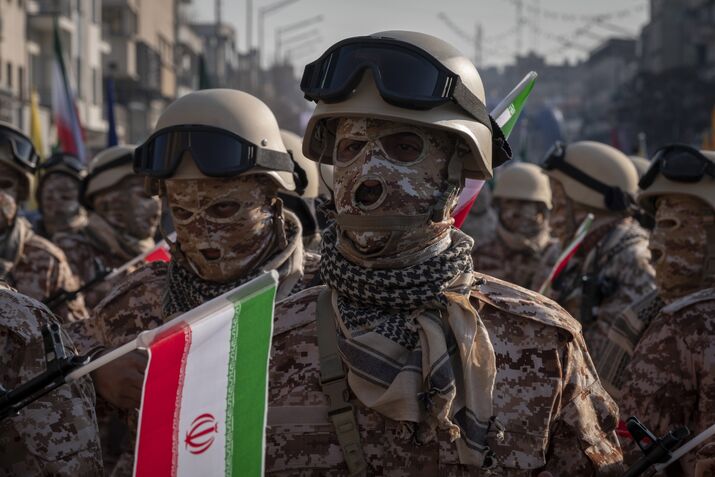
The designation of the IRGC as a terrorist organisation represents one of the strongest political messages the EU has ever sent to Iran. It shows that Europe is willing to move beyond statements of concern and take concrete legal action.
For the IRGC, the decision could make international operations more difficult, reduce access to funding, and increase scrutiny of its networks.
For Europe, it marks a shift towards a more assertive foreign and security policy when faced with persistent human rights abuses and security threats.
As global attention remains focused on Iran’s internal situation and regional activities, the consequences of this move are likely to shape diplomatic and security discussions for years to come.