

High Seas Fisheries Programme Launched

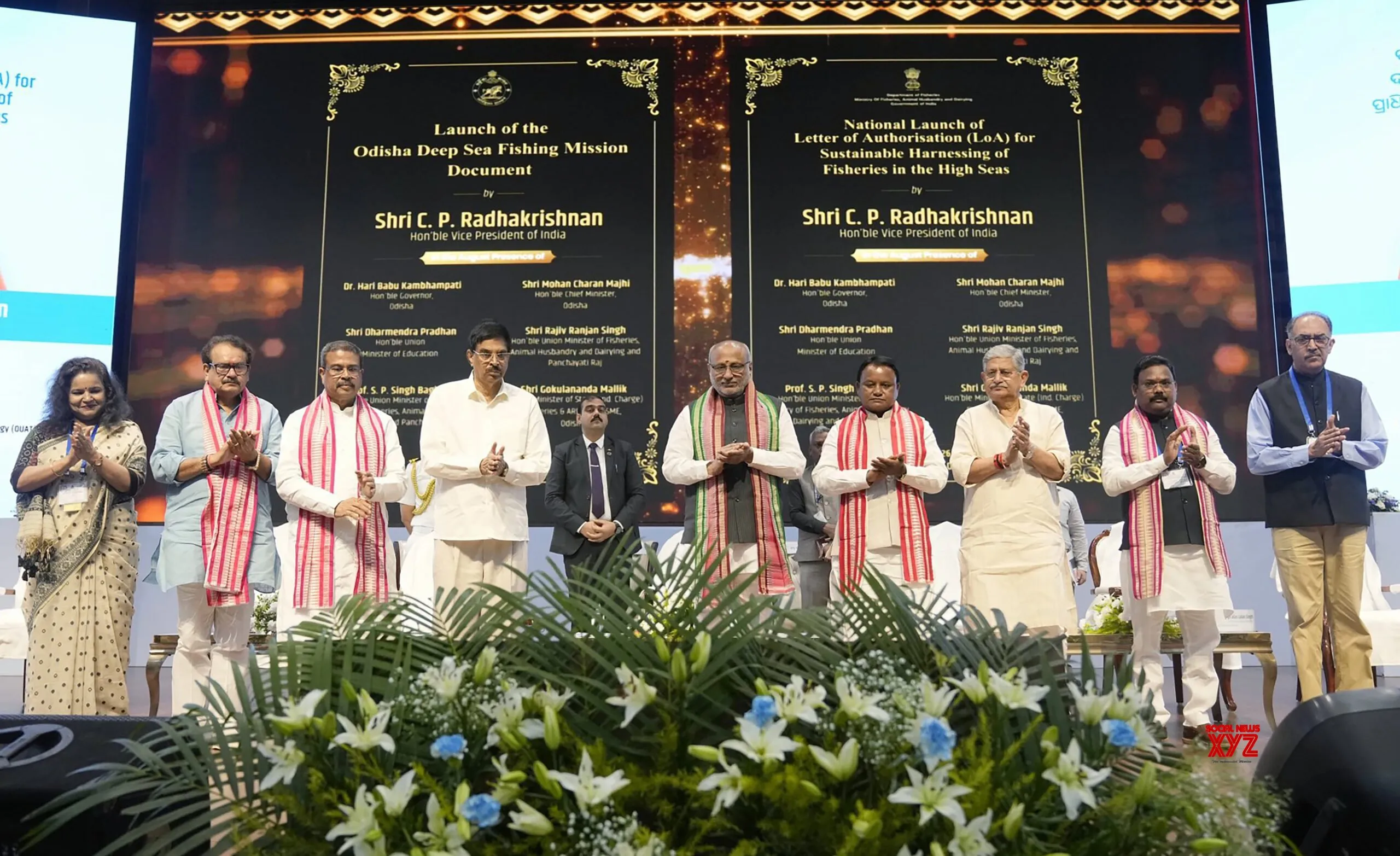
High Seas Fisheries received a major boost as the Government of India launched a new national programme to promote sustainable fishing beyond the country’s coastal waters. On 9 July 2026, Vice President C. P. Radhakrishnan launched the programme for issuing Letters of Authorisation (LoAs) for sustainable high seas fishing during an event held in Bhubaneswar, Odisha.
At the same event, the Vice President also unveiled the Odisha Deep Sea Fishing Mission Document (2026-2036). The programme was organised by the Department of Fisheries, Government of India, with the aim of improving deep-sea fishing, encouraging responsible use of marine resources, and supporting the growth of India’s blue economy.

What Is the High Seas Fisheries Programme?
The new programme provides an official system for allowing Indian fishing vessels to operate in high seas areas through Letters of Authorisation (LoAs).
These authorisations are mandatory under the Guidelines for Sustainable Harnessing of Fisheries in the High Seas by Indian-Flagged Fishing Vessels, 2025.
Every approved vessel will receive its own Letter of Authorisation, which cannot be transferred to another vessel. This system helps ensure that fishing activities are carried out in a regulated and transparent manner.
The initiative also uses digital technology to make the approval process faster and more efficient.
What Are High Seas?
High seas are parts of the ocean that lie outside the Exclusive Economic Zone (EEZ) of any country.
Normally, a country’s EEZ extends up to 200 nautical miles from its coastline. Beyond this limit, the waters are considered international waters or high seas.
Fishing in these areas requires proper regulation because many countries operate there, and marine resources must be protected from overfishing.
Letter of Authorisation Explained
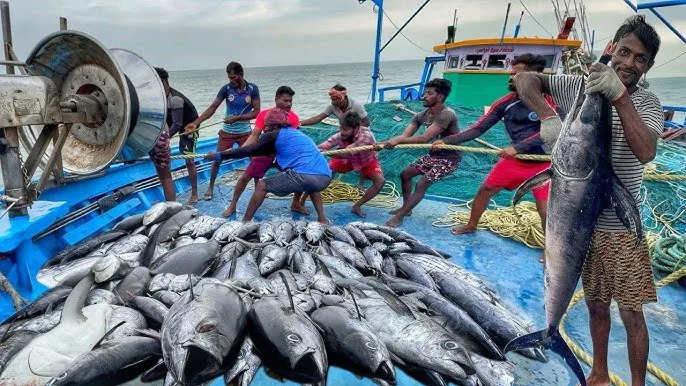
A Letter of Authorisation (LoA) is an official permission that allows an Indian-flagged fishing vessel to operate in high seas areas.
Each LoA is:
- Issued for one specific vessel
- Non-transferable
- Digitally linked to the vessel
- Mandatory for authorised operations
The government has introduced this system to improve monitoring, accountability, and sustainable fishing practices.
Digital Registration Through ReALCraft Portal
The programme is connected with the ReALCraft Fishing Vessel Registration Portal.
This digital platform helps authorities:
- Register fishing vessels
- Verify vessel details online
- Track authorised fishing operations
- Improve transparency
- Maintain digital records
Using digital systems reduces paperwork and allows faster approval of applications.
The government is increasingly using digital platforms across different sectors to improve governance and service delivery.
Odisha Deep Sea Fishing Mission 2026-2036
Alongside the national programme, the Odisha Deep Sea Fishing Mission Document (2026-2036) was also launched.
The mission focuses on expanding deep-sea fishing activities in Odisha over the next ten years.
Its objectives include:
- Promoting sustainable marine fishing
- Increasing access to high-value fish resources
- Supporting coastal fishing communities
- Improving fishing technology
- Encouraging responsible use of ocean resources
The mission is expected to strengthen Odisha’s role in India’s fisheries sector.
Support for Fishermen and Cooperatives
The programme benefits not only individual fishing vessel owners but also fisheries organisations.
Letters of Authorisation were distributed to:
- Fisheries cooperative societies
- Fishing vessel owners
- National Cooperative Exports Limited (NCEL)
- Fish Farmer Producer Organisations (FFPOs)
These organisations help fishermen improve marketing, exports, training, and access to modern fishing practices.
Importance of Sustainable Fishing
Sustainable fishing means catching fish in a way that protects marine ecosystems while allowing fish populations to recover naturally.
Responsible fishing practices help:
- Protect marine biodiversity
- Prevent overfishing
- Support long-term livelihoods
- Maintain healthy ocean ecosystems
- Improve seafood availability
As global demand for seafood continues to grow, sustainable fishing has become an important priority for many countries.
India’s Blue Economy Vision
The High Seas Fisheries programme is part of India’s broader focus on developing the Blue Economy.
The Blue Economy promotes the sustainable use of ocean resources for economic growth while protecting marine ecosystems.
It includes sectors such as:
- Fisheries
- Aquaculture
- Shipping
- Marine biotechnology
- Coastal tourism
- Offshore renewable energy
- Ocean research
India has one of the world’s longest coastlines, making marine resources an important part of economic development.
Recent Developments in India’s Fisheries Sector
India has introduced several initiatives in recent years to modernise the fisheries sector.
Some recent developments include:
- Expansion of digital services for fishermen.
- Better monitoring of fishing vessels through technology.
- Increased focus on seafood exports.
- Support for deep-sea fishing infrastructure.
- Greater investment in cold storage and fish processing facilities.
- Promotion of sustainable fishing practices to protect marine biodiversity.
These efforts aim to improve the income of fishing communities while ensuring responsible use of ocean resources.
Growing Role of Technology in Marine Fisheries
Modern technology is changing the way fishing activities are managed.
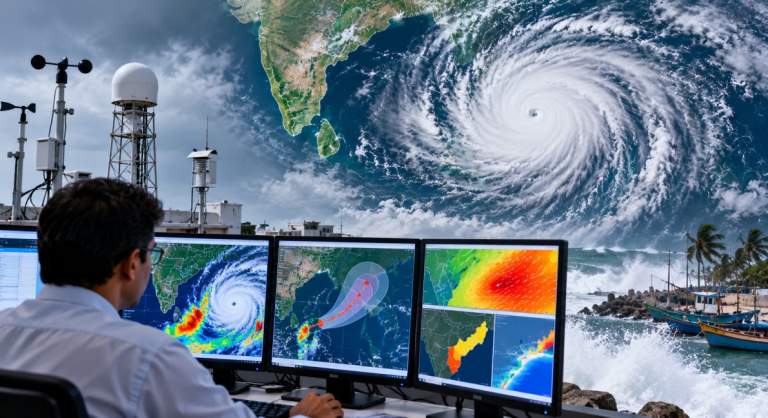
Digital vessel registration, satellite tracking, electronic monitoring, weather forecasting, and online approvals are making fisheries management more efficient and transparent.
With the launch of the High Seas Fisheries programme and the Odisha Deep Sea Fishing Mission, India is taking another step toward building a modern, technology-driven, and sustainable fisheries sector that supports both economic growth and marine conservation.