



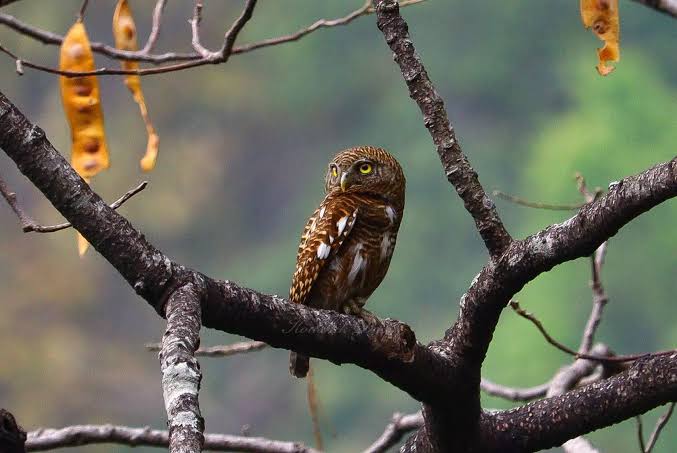
Guwahati Owls: 8 Species Recorded

Guwahati Owls have attracted attention after a scientific study recorded eight owl species across different parts of Guwahati, Assam. The research was conducted between November 2023 and July 2025 and published in the journal Urban Ecosystems. Assam Forest and Climate Change Minister Jayanta Malla Baruah announced the findings on 28 October 2026. The study provides useful information about the variety of birds living in the city and highlights the importance of protecting green spaces as Guwahati continues to grow.
Eight Owl Species Found in Guwahati
Researchers recorded eight owl species during surveys across the city. These birds were detected in 24 of the 33 grid cells covered by the study. Each grid cell represented an area of one square kilometre, allowing researchers to examine owl presence across different urban locations.

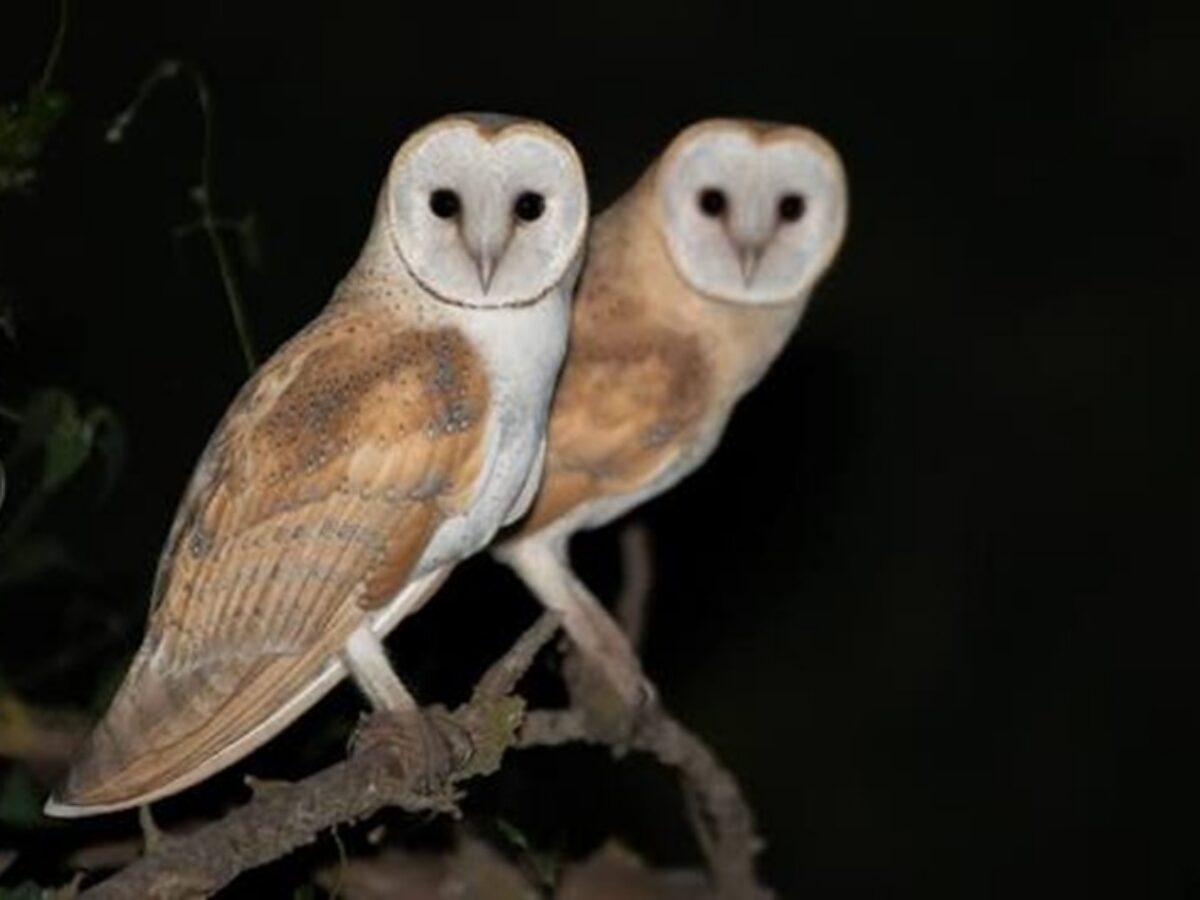
The Barn Owl and Spotted Owlet were the most frequently detected species. The six other species were the Brown Hawk Owl, Brown Fish Owl, Collared Scops Owl, Mountain Scops Owl, Oriental Scops Owl and Asian Barred Owlet.
The findings show that Guwahati supports a range of owl species despite the pressures associated with urban development. However, the number of species detected during a survey does not necessarily represent every owl species that may live in the city.
How Was the Study Conducted?
The researchers used a grid-based survey method to record owl presence across Guwahati. Dividing the city into smaller areas helped them organise observations and compare results from different locations.
The survey covered 33 grid cells, each measuring one square kilometre. Owls were detected in 24 of these cells during the study period.
Researchers studying birds must consider the difficulty of detecting wildlife in urban areas. Many owls are active at night, and their calls can be difficult to hear when traffic, construction and other city sounds are loud.
For this reason, failing to hear or see an owl during a survey does not automatically mean that the bird is absent from that location. Long-term monitoring and methods that account for detection difficulties can provide a more accurate picture of urban wildlife.
Why Are Owls Important for the Environment?
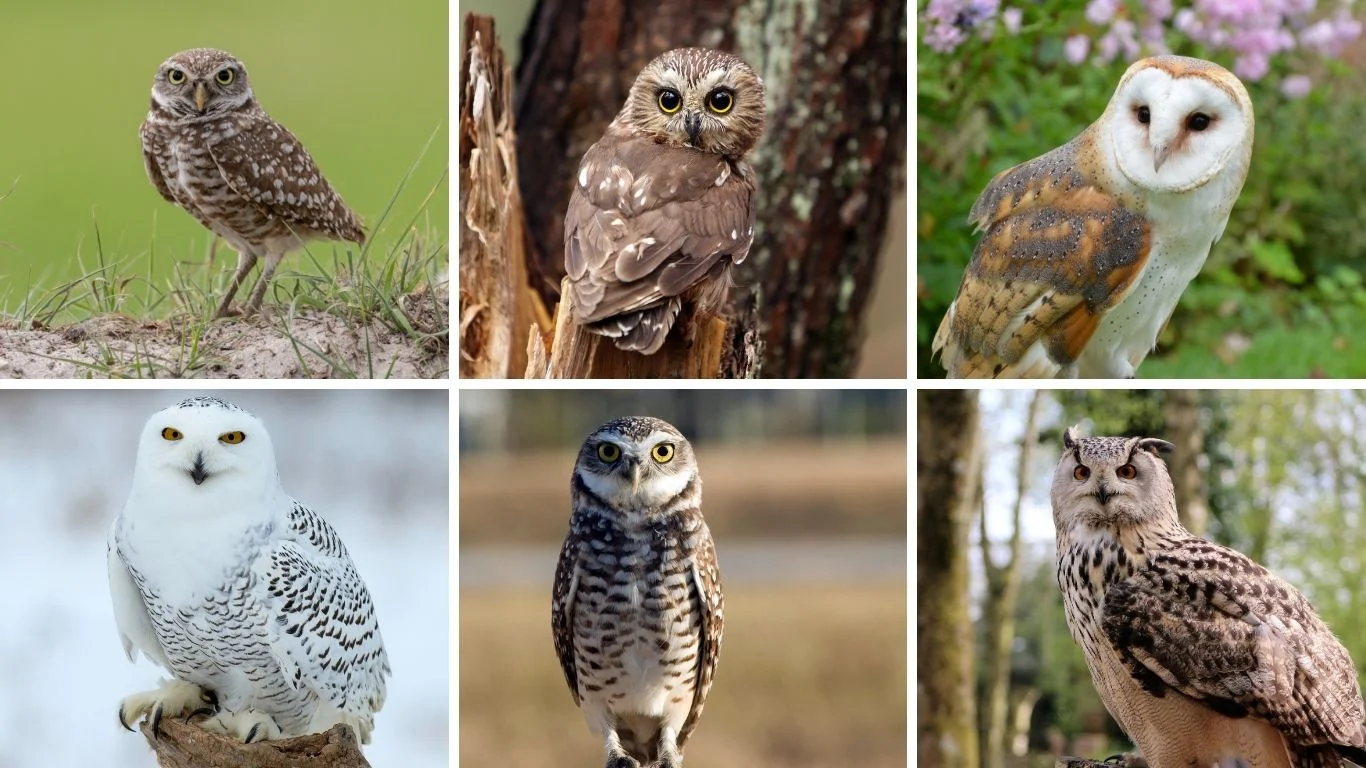
Owls play an important role in natural ecosystems. Many species feed on rodents and other small animals, helping regulate their populations. This makes them valuable members of the food chain.
Their presence can also provide information about local habitats. Trees, wetlands, green spaces and areas with suitable prey can offer food, shelter and nesting opportunities for different owl species.
However, the needs of owls vary by species. Some use tree cavities or other sheltered places, while others depend on open areas or buildings for roosting and nesting. Protecting a variety of habitats is therefore important for supporting different owl populations.
The eight species recorded in Guwahati reflect the range of environments available across the city, although further research is needed to understand how each species uses urban habitats.
Urban Growth and Threats to Owls
As Guwahati expands, natural areas can become smaller or more separated. The loss of mature trees, changes to wetlands and the reduction of green spaces may affect birds that depend on these habitats.
Noise pollution is another concern. Traffic and construction sounds can mask owl calls, making communication and wildlife monitoring more difficult. Artificial lighting may also affect the behaviour of some nocturnal animals, although its effects can differ between species and locations.
These challenges make regular wildlife surveys important. Monitoring can help researchers identify changes in where owls are found and assess whether particular areas need greater protection.
Protecting Guwahati’s Urban Wildlife
The study highlights the need to include biodiversity protection in the planning of growing cities. Conserving wetlands, mature trees and connected green spaces can help maintain suitable habitats for birds and other wildlife.
Local authorities, researchers and residents can support these efforts by protecting existing vegetation, reducing unnecessary disturbance in wildlife habitats and reporting bird observations to reliable biodiversity monitoring projects.
Long-term studies are especially useful because one survey cannot explain every change in wildlife populations. Repeated observations across different seasons can help researchers understand whether owl numbers and distribution are changing over time.
The Guwahati study offers a valuable starting point for understanding the city’s owl diversity. Its record of eight species across 24 surveyed grid cells provides evidence that urban areas can support a variety of wildlife when suitable habitats remain available.