


India Judo Gold at CWG 2026

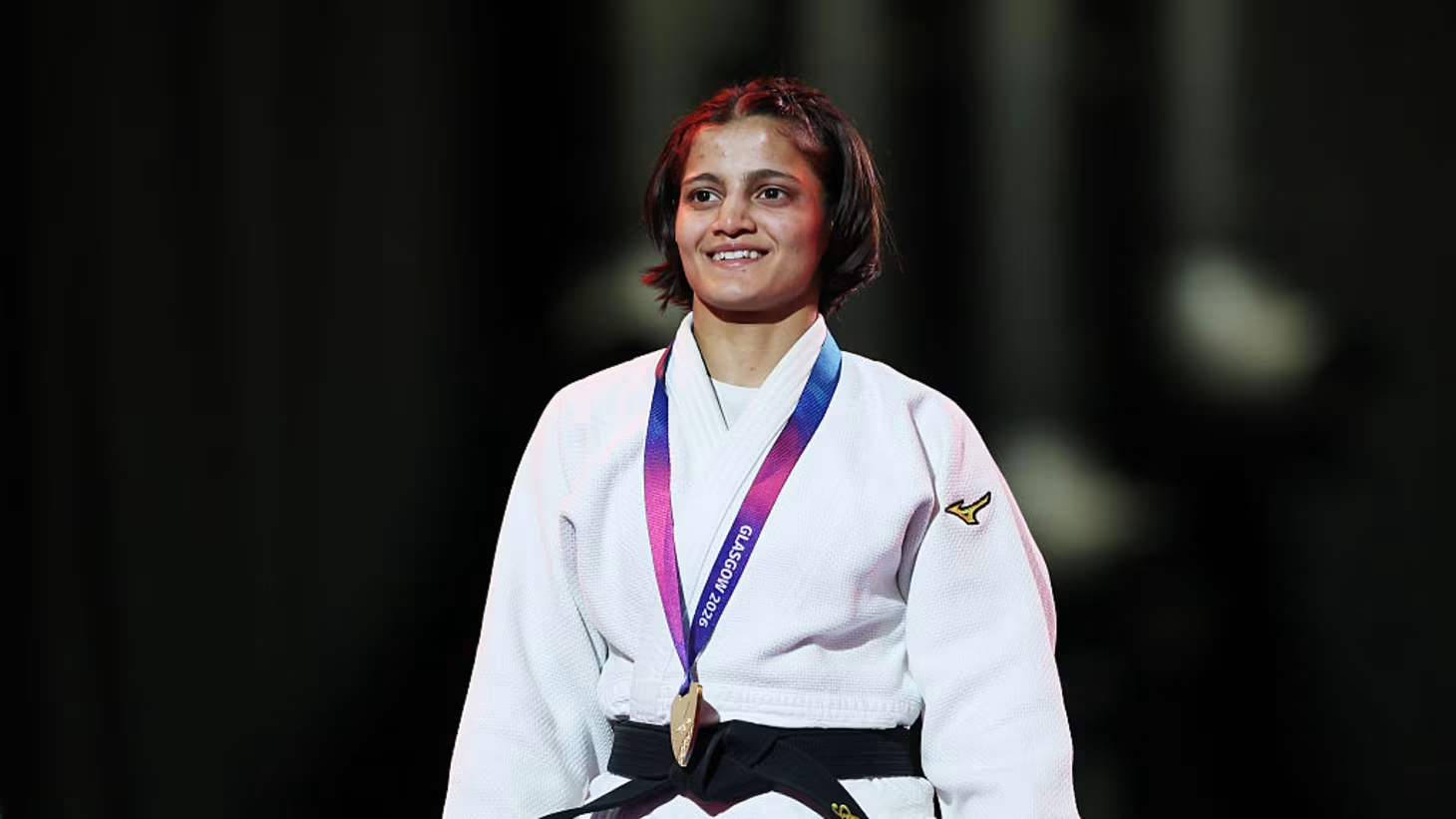
India Judo Gold became one of the biggest highlights of the Commonwealth Games 2026 after Asmita Dey and Harsh Singh won the country’s first-ever gold medals in judo. The historic achievement came on 31 July 2026 at the Scottish Event Campus (SEC) in Glasgow, Scotland, where both athletes delivered outstanding performances in their respective weight categories.
Thank you for reading this post, don't forget to subscribe!The double gold marked a new chapter for Indian judo, as the country had previously won several silver and bronze medals at the Commonwealth Games but had never reached the top of the podium. Their success also reflects the steady growth of judo in India and the improving standard of Indian athletes on the international stage.
Historic Day for Indian Judo
The Commonwealth Games have featured judo since 1990, but India had never won a gold medal in the sport before 2026.
Before this edition of the Games, India’s record included:
- 5 Silver Medals
- 6 Bronze Medals
- No Gold Medals
Asmita Dey and Harsh Singh changed that history by winning two gold medals on the same day, making it one of India’s most memorable performances in the competition.
Their victories are expected to inspire many young athletes who are pursuing martial arts and combat sports across the country.
Asmita Dey Wins Women’s 48kg Gold
Asmita Dey, a 23-year-old judoka from Tripura, won the gold medal in the women’s 48kg category.
She faced Heidi Quach of Canada in a closely fought final.
The match remained level during regular time, leading to a golden score period, where Asmita secured a 2-1 victory.
With this achievement, she became the first Indian judoka to win a Commonwealth Games gold medal.
Her performance demonstrated excellent technique, patience, and determination under pressure during one of the toughest matches of the tournament.
Harsh Singh Wins Men’s 60kg Gold
India’s second gold medal came through Harsh Singh, who competed in the men’s 60kg category.

The 23-year-old defeated Joshua Katz of Australia in the final with an impressive 10-0 victory using waza-ari scoring.
Harsh was competing in his first Commonwealth Games, making his achievement even more remarkable.
He also became the first Indian male judoka to win a Commonwealth Games gold medal.
His confident performance throughout the tournament showcased India’s growing strength in men’s judo.
Understanding Judo
Judo is a modern martial art that originated in Japan.
The sport focuses on:
- Throws
- Grappling techniques
- Pins
- Joint locks
- Chokeholds
Unlike striking sports, judo emphasizes balance, leverage, and technique rather than punching or kicking.
Today, it is one of the most popular combat sports in the world and is also included in the Olympic Games.
Athletes compete in different weight categories to ensure fair competition.
What Is Golden Score?
One of the most exciting features of judo is the golden score rule.
If a match ends in a tie after regular time, the contest continues into extra time.
The first athlete to score during this period wins the match immediately.
Asmita Dey secured her historic victory during this golden score period, showing great composure under pressure.
What Is Waza-ari?
Another important term in judo is waza-ari.
It is awarded when a technique is nearly perfect but does not meet all the requirements for a full ippon, which ends the contest immediately.
Accumulating strong scoring techniques such as waza-ari often determines the winner in closely contested matches.
Harsh Singh used effective techniques throughout his final to dominate the contest and secure his gold medal.
Another Medal for India
India also celebrated another success in judo during the Commonwealth Games.
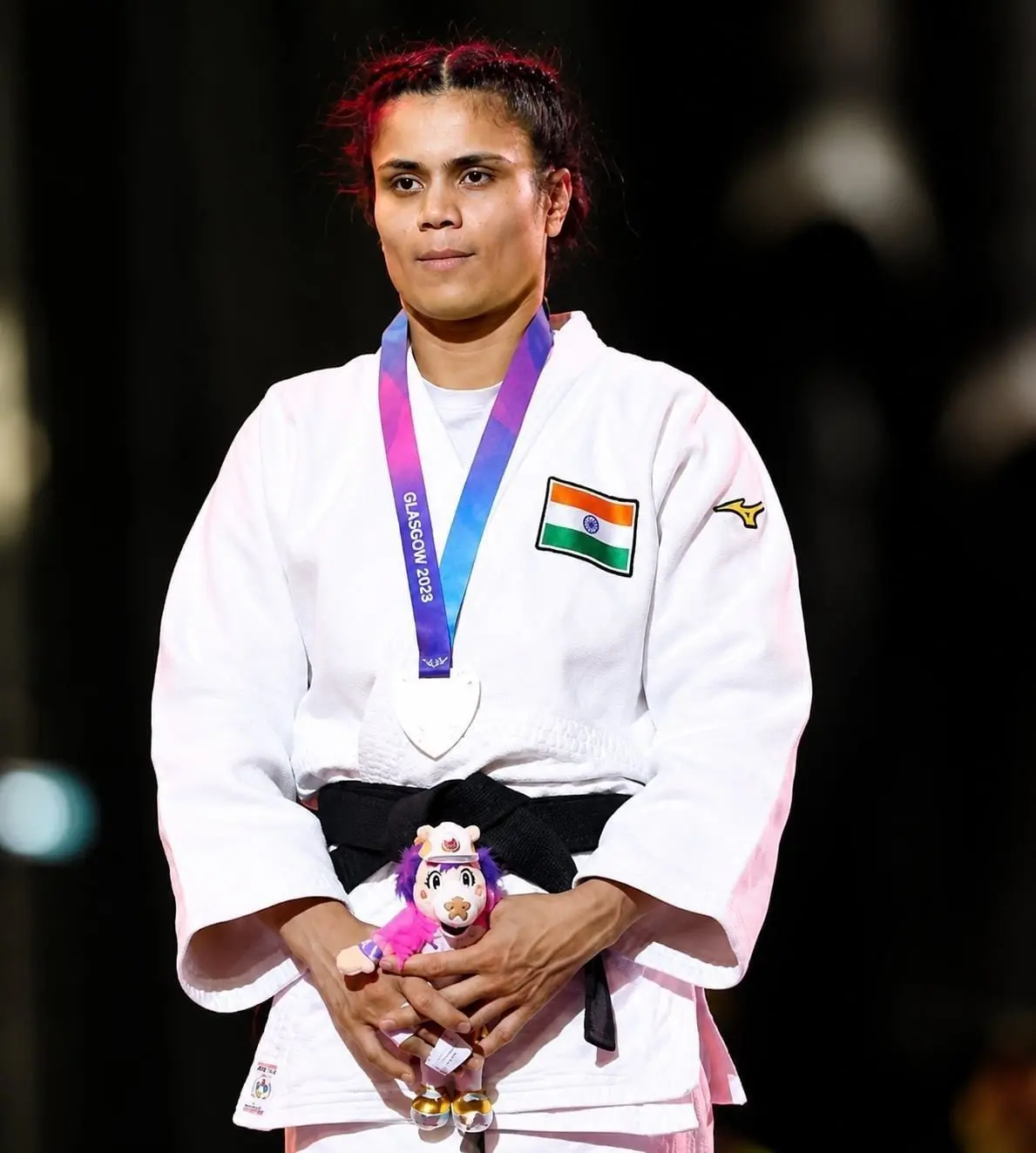
Yamini Mourya won the silver medal in the women’s 57kg category.
She reached the final after an excellent tournament before finishing second against England’s Acelya Toprak.
Her silver medal added to India’s strong overall performance in judo and reflected the growing depth of talent within the national team.
Growing Success of Indian Judo
Indian judo has steadily improved over the past few years through better coaching, modern training facilities, and increased participation in international competitions.
Athletes are gaining valuable experience by competing against top-ranked judokas from around the world, helping them improve both technically and mentally.
The historic India Judo Gold victories by Asmita Dey and Harsh Singh highlight the progress Indian judo has made on the international stage. Along with Yamini Mourya’s silver medal, these achievements demonstrate the rising standard of Indian martial arts and strengthen the country’s reputation in global sporting competitions.