



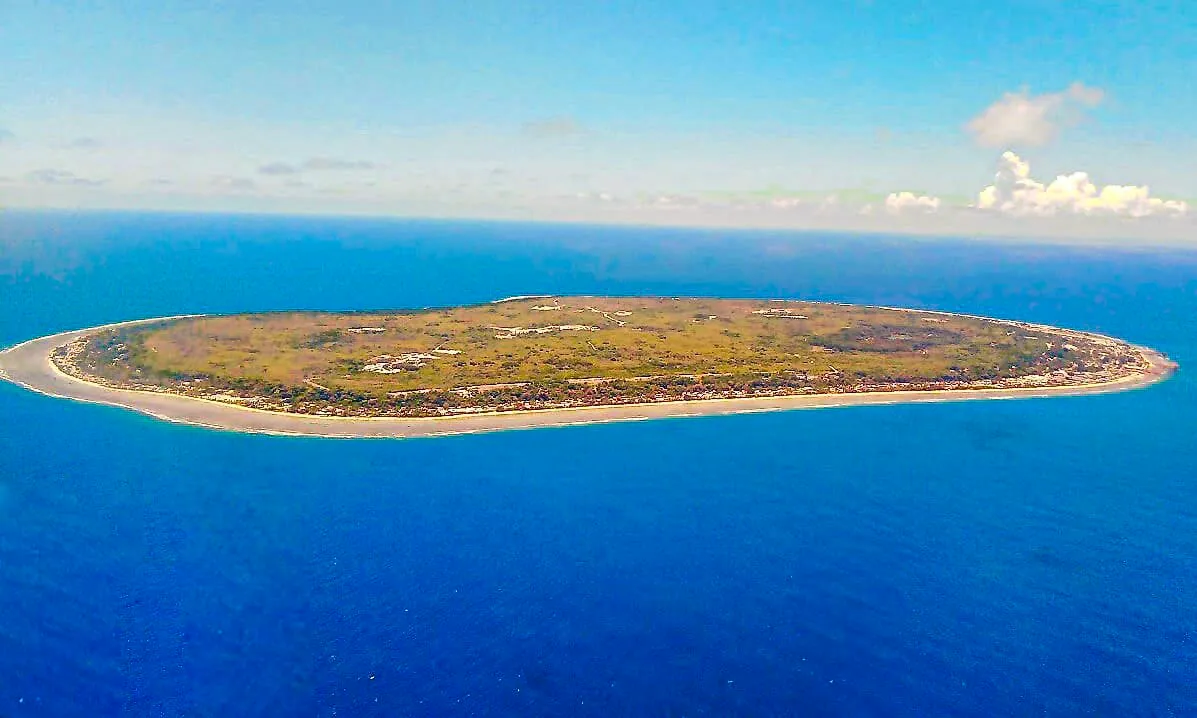
Republic of Naoero Officially Adopted

Republic of Naoero is now the official name of the Pacific island nation previously known as Nauru. The change was confirmed by President David Adeang on 31 July 2026 after the country’s Parliament approved a constitutional amendment in May 2026. The decision marks an important step in preserving the nation’s indigenous identity, language, and cultural heritage.
Thank you for reading this post, don't forget to subscribe!The name change has also been formally communicated to the United Nations, which has started updating its official records. The move reflects a growing global trend where countries and cities are restoring traditional names that better represent their history and local culture.
Why the Name Was Changed
The name Naoero is the traditional indigenous name of the island.
According to the government, the name Nauru developed during the colonial period as a modified version of the original indigenous word.
By officially adopting Republic of Naoero, the country aims to restore its historical identity and strengthen the connection between its people, language, and cultural heritage.
Government leaders explained that this was not considered the adoption of a completely new name but rather the recognition of the country’s original identity.
For this reason, authorities decided that a national referendum was not required.
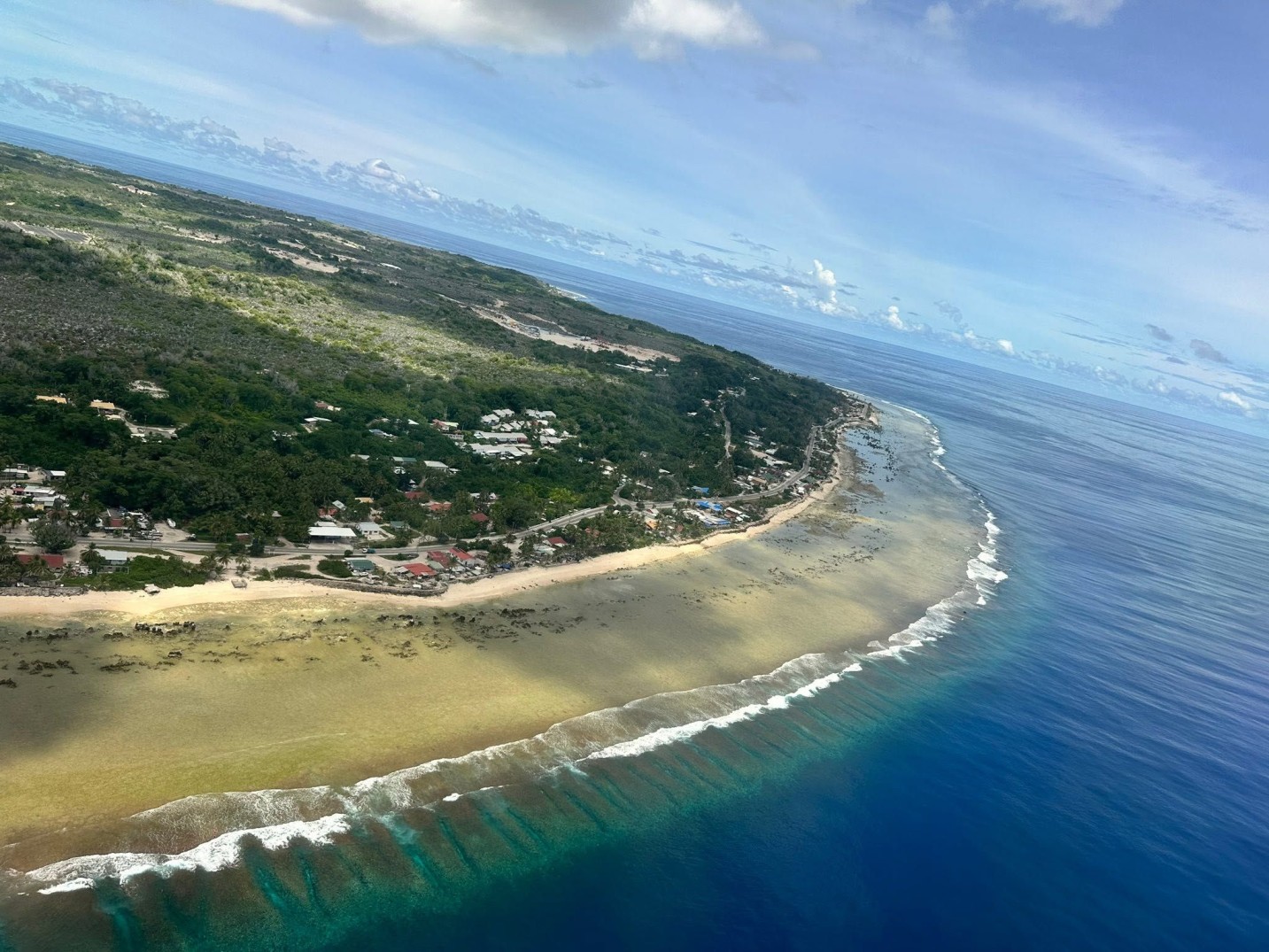
Constitutional Amendment Approved
The official name change became possible after Parliament passed a constitutional amendment in May 2026.
Following the approval, President David Adeang officially confirmed the decision on 31 July 2026.
The government also informed the United Nations on 26 June 2026, allowing international organizations to begin updating official documents, databases, and records.
As part of the changes:
- The official country name is Republic of Naoero.
- The shortened international name is Naoero.
- The country code remains NRO.
- Citizens will now be known as dei-Naoero.
These updates are expected to gradually appear in international documents and official publications.
Protecting the Nauruan Language
One of the main reasons behind the name change is the preservation of the Nauruan language, locally known as dorerin Naoero.
Language plays an important role in preserving cultural identity, traditions, and history.
According to UNESCO, the Nauruan language is classified as severely endangered, meaning that fewer young people are learning and speaking it compared to previous generations.
By restoring the indigenous name of the country, the government hopes to encourage greater awareness and appreciation of the language among future generations.
One of the World’s Smallest Countries
The Republic of Naoero remains one of the smallest independent nations in the world.
Some important facts include:
- Population of around 12,000 people
- Land area of approximately 21 square kilometres
- Located in the central Pacific Ocean
- Part of the Micronesia region
The country is currently the third-smallest nation in the world, after Vatican City and Monaco.
Despite its small size, Naoero is an independent sovereign republic and an active member of the international community.
Government and Administration
The Republic of Naoero follows a parliamentary republic system of government.
The President serves as both:
- Head of State
- Head of Government
Although the country does not have an officially declared capital city, most government offices are located in Yaren District, which functions as the main administrative centre.
Naoero is also a member of the United Nations and participates in international organisations and regional cooperation across the Pacific.
Currency and International Relations
The country continues to use the Australian dollar (AUD) as its official currency.
Its economy and international partnerships remain unchanged despite the official name change.
The renaming mainly reflects cultural and constitutional identity rather than changes in government structure, foreign policy, or economic systems.
International organisations and maps will gradually adopt the new official name as updates are completed.

A Global Trend of Restoring Traditional Names
Over the past few years, several countries and cities have restored indigenous or historical names to strengthen cultural identity.
Governments around the world have increasingly recognised the importance of preserving local languages, traditions, and original place names that existed before colonial influence.
The adoption of Republic of Naoero follows this broader international movement by recognising the country’s traditional identity while promoting awareness of its indigenous language and heritage.
The official adoption of the Republic of Naoero represents an important cultural milestone for the Pacific island nation. By restoring its traditional name through constitutional reform, the country has reaffirmed its historical roots, promoted the preservation of the endangered Nauruan language, and strengthened its national identity while continuing its role as an independent member of the global community.