



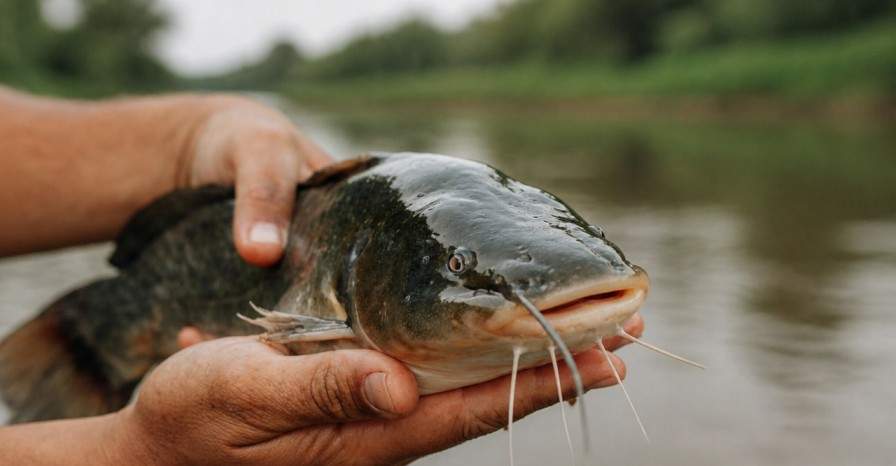
Khairi Catfish Discovered in Odisha

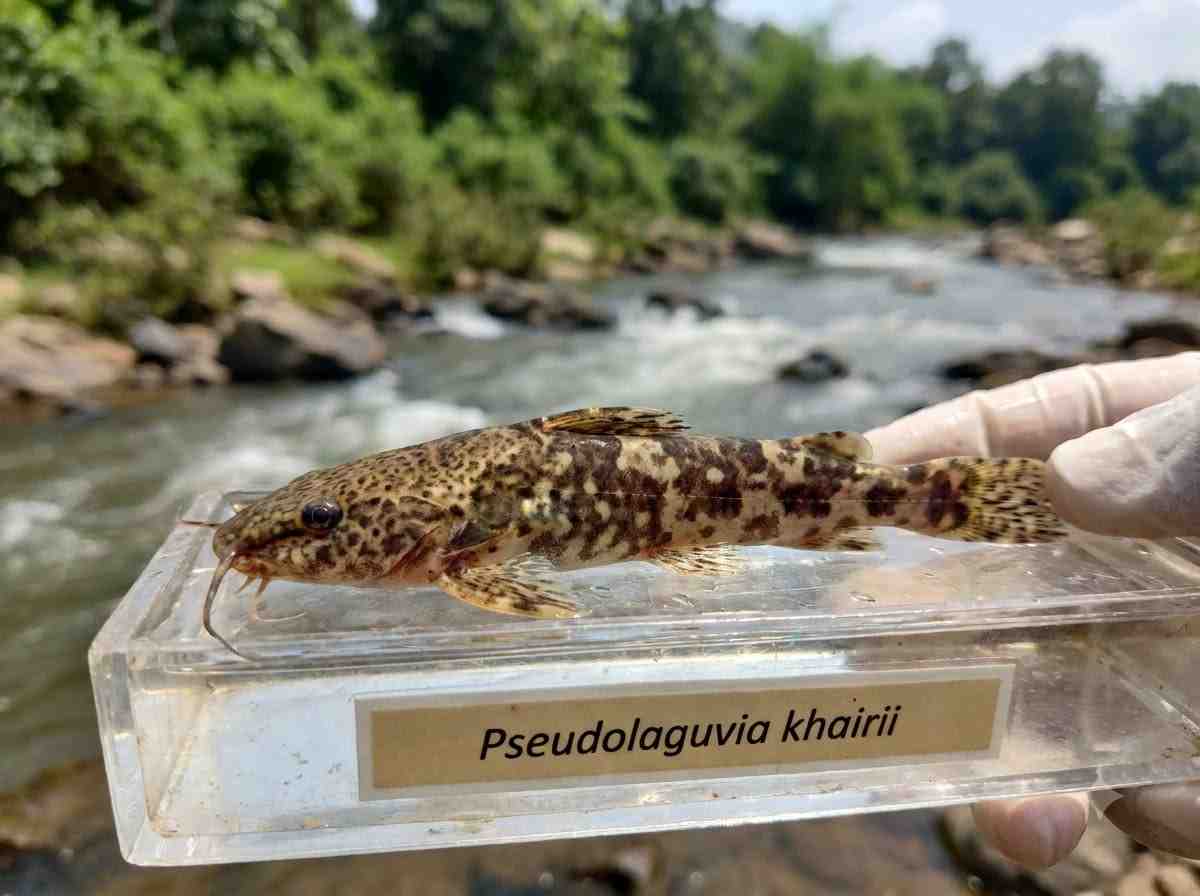
Khairi Catfish is the name given to a newly discovered freshwater fish species found in the Budhabalanga River in Mayurbhanj district, Odisha. Scientists officially described the new species, Pseudolaguvia khairii, in the international scientific journal Zootaxa on 26 July 2026. The species has been named in honour of Khairi, the legendary orphaned Royal Bengal tigress that became a symbol of wildlife conservation in Odisha.
Thank you for reading this post, don't forget to subscribe!The discovery is another important addition to India’s rich biodiversity and highlights the importance of scientific research in identifying and protecting lesser-known freshwater species. It also draws attention to the ecological value of river ecosystems in eastern India.
Discovery of a New Freshwater Species
The newly identified fish belongs to the genus Pseudolaguvia, a group of small freshwater catfishes commonly found in fast-flowing rivers across South Asia.
Researchers discovered the species during scientific studies in the Budhabalanga River, which flows through the biodiversity-rich landscape of Mayurbhanj district.
After detailed examination and comparison with previously known species, scientists confirmed that the fish had unique physical characteristics that justified its recognition as a completely new species.
The findings were later published in Zootaxa, an internationally recognised peer-reviewed journal for zoological research.
What Is Pseudolaguvia?
Pseudolaguvia is a genus of small hillstream catfishes.
These fishes are specially adapted to survive in rivers with:
- Fast-flowing water
- Rocky riverbeds
- Strong currents
- Freshwater habitats
Species belonging to this genus are found in countries such as:
- India
- Bangladesh
- Nepal
- Myanmar
The genus is part of the Siluriformes order, which includes all catfish species found around the world.
Their streamlined bodies help them remain stable in rapidly flowing streams.
Unique Features of the New Species
Although Pseudolaguvia khairii measures only a few centimetres in length, it possesses a distinctive feature that separates it from all previously known members of the genus.
Scientists identified a fleshy protuberance at the base of its dorsal fin, a characteristic that had not been recorded earlier in any other Pseudolaguvia species.
Such unique physical traits are extremely important in taxonomy because they help researchers distinguish one species from another.
Careful observation of body structure, fin shape, colour patterns, and other characteristics is essential before declaring a new species.
Why It Was Named After Khairi
The new fish species has been named after Khairi, one of Odisha’s most famous wildlife icons.
Khairi was an orphaned Royal Bengal tigress rescued from the Similipal forests during the 1970s.
She was raised by noted wildlife conservationist Saroj Raj Choudhury and his wife Nihar Nalini Swain.
Over time, Khairi became internationally known for her unique relationship with humans and her contribution to wildlife awareness and conservation.
Naming the newly discovered species after Khairi honours her lasting legacy and highlights Odisha’s important role in wildlife conservation.
Importance of Scientific Naming
Every newly discovered species receives a scientific name following internationally accepted zoological naming rules.
Scientists often name species after:
- Famous personalities
- Important places
- Wildlife icons
- Distinctive physical features
- Cultural or historical references
In this case, the species name khairii is the Latinised form of Khairi, preserving her name permanently in scientific records.
Scientific naming helps researchers around the world identify and study species using a universal system.
Why Discovering New Species Matters
The discovery of a new species is important for both science and conservation.
It helps researchers:
- Understand biodiversity.
- Study ecosystem health.
- Monitor environmental changes.
- Improve conservation planning.
- Protect endangered habitats.
Freshwater ecosystems are among the most biologically diverse environments but also face increasing pressure from pollution, habitat destruction, and climate change.
Documenting new species provides valuable information for future conservation efforts.
Rich Biodiversity of Mayurbhanj
The discovery also highlights the ecological importance of Mayurbhanj district in northern Odisha.
The region includes parts of the famous Similipal landscape, which supports a wide variety of wildlife, forests, rivers, and freshwater ecosystems.
Scientists continue to discover new plants and animals from this region, demonstrating that many species remain undocumented.
Research in biodiversity-rich areas contributes to better environmental management and strengthens efforts to preserve India’s natural heritage.
The discovery of the Khairi Catfish adds another remarkable species to India’s growing biodiversity records. By identifying and documenting Pseudolaguvia khairii, scientists have expanded our understanding of freshwater life while honouring the legacy of Khairi, the legendary tigress whose story continues to inspire wildlife conservation and environmental awareness in India.