Reptile Found in Dinosaur Vomit Reveals New Species

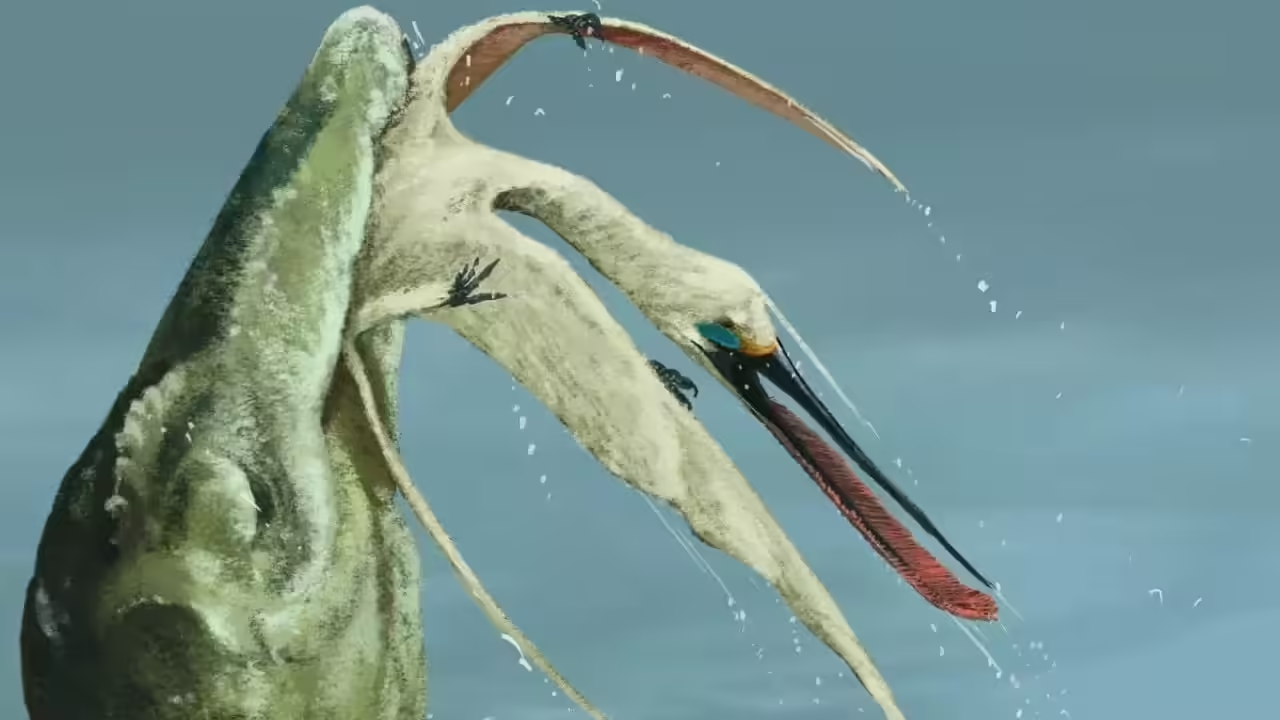
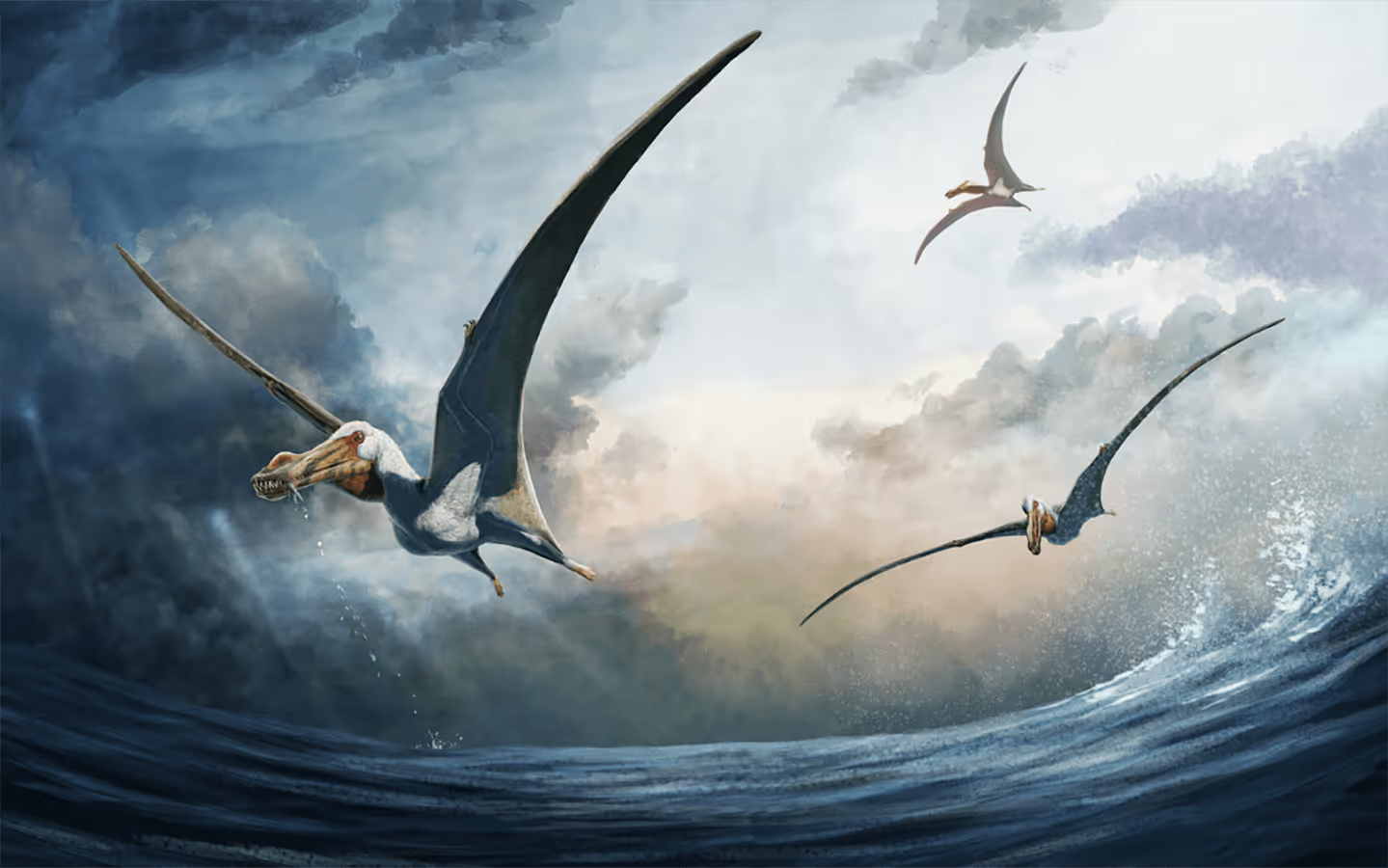
Scientists have made a surprising discovery: a reptile found in dinosaur vomit has led to the identification of a new species of flying reptile. This rare fossil, about 100 million years old, was found in the Araripe Basin. The new species has been named Bakiribu waridza, and it is the first extinct animal described entirely from fossilised regurgitated material.
Thank you for reading this post, don't forget to subscribe!Rare Fossil Discovery in Brazil -Reptile Found in Dinosaur Vomit
The fossil was discovered in the Santana Group, a well-known fossil site in northeastern Brazil. This region is famous for preserving ancient life in great detail. Inside the fossilised vomit, scientists found bones from two pterosaurs along with four fish.
The research was published in Scientific Reports, showing how unusual this discovery is in the field of palaeontology.
How Fossilised Vomit Preserved the Species
Normally, fossils are found in rock layers, but this case is different. The reptile remains were trapped inside regurgitated material, also known as regurgitalite. A predator ate the animal but could not fully digest it, so it vomited the remains.
Because the bones were only partly digested, they stayed intact and were preserved for millions of years. This rare process helped scientists study a species that might have been lost forever.
Possible Predator and Feeding Behaviour
Scientists believe a large spinosaurid dinosaur may have eaten the flying reptile. Spinosaurids were known for eating fish and lived during the Cretaceous period.
The fossil also showed four fish arranged head-first. This is similar to how modern birds eat fish, making it easier to swallow. This detail gives clues about how ancient predators hunted and fed.
Unique Feeding Adaptation of the Pterosaur
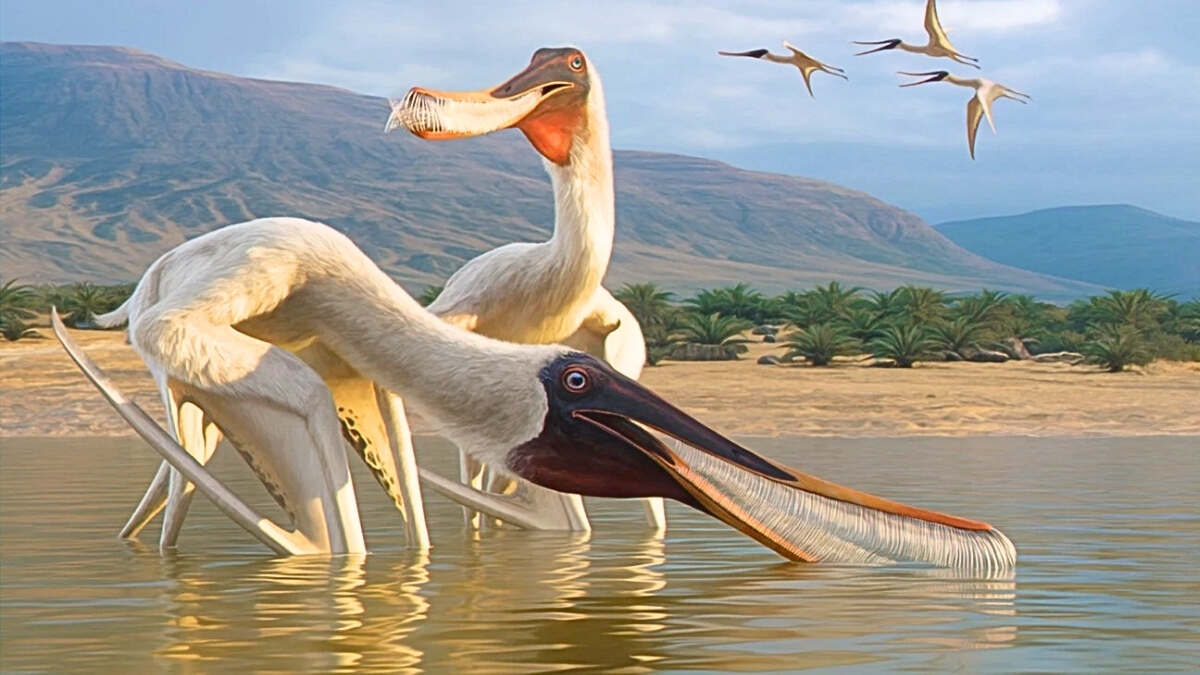
The newly discovered pterosaur had a special mouth structure. It had many thin, needle-like teeth arranged like a comb. This helped it filter food from water, much like modern flamingos do.
This feeding style allowed Bakiribu waridza to survive in shallow waters and avoid competition with larger predators. It shows how diverse and adaptable flying reptiles were in ancient ecosystems.