



IIT Jodhpur Flexible Sensors for Smart Health Monitoring

Researchers at Indian Institute of Technology Jodhpur are developing advanced flexible semiconductor sensors for better health tracking. These devices are designed to help in continuous monitoring and early disease detection. The work is being carried out at the HESTECH Lab, focusing on smart wearable technology that can track body signals in real time.
Next-Generation Wearable Technology
The IIT Jodhpur Flexible Sensors are soft, lightweight, and easy to wear. They can stick comfortably to the skin for long periods. These sensors can measure heart rate, body temperature, muscle activity, and skin pressure. This makes them useful for tracking health outside hospitals, helping people detect problems early.

Role of Organic Electrochemical Transistors
A major innovation in IIT Jodhpur Flexible Sensors is the use of Organic Electrochemical Transistors (OECTs). These devices work well with the human body. Unlike traditional rigid electronics, they can detect both electrical signals and chemical changes. This means a single sensor can track vital signs and also identify disease markers at the same time.
Applications in Healthcare and Diagnostics
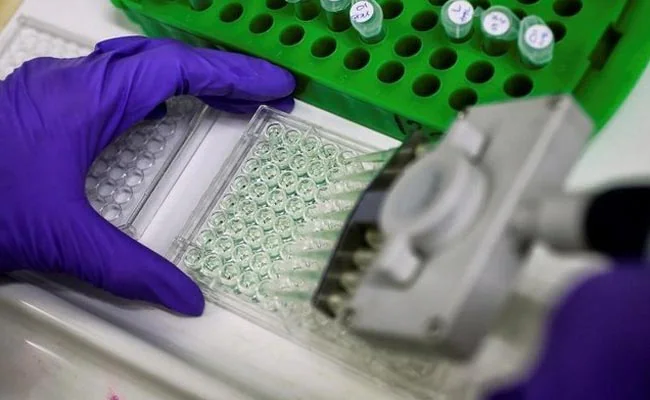
The IIT Jodhpur Flexible Sensors have strong use in healthcare. They can detect disease markers in saliva, blood, and other fluids. This makes them helpful for early diagnosis. These sensors can be used in rural health camps, dental clinics, and mobile medical units.
Wearable devices like ECG patches and muscle sensors are also being developed. These tools can help doctors monitor heart and muscle health more easily. Sensors for detecting pressure ulcers are also part of the research, which can improve patient care.
Use in Defence and Extreme Conditions
Beyond healthcare, IIT Jodhpur Flexible Sensors can support defence personnel. These sensors can track stress, fatigue, dehydration, and heat exposure in real time. This can improve safety and performance in tough environments. The technology shows how smart wearables can be useful in both civilian life and strategic sectors.