Hypercapnic Hypoxia Mangroves Threat Rising

Hypercapnic Hypoxia Mangroves is becoming a serious environmental issue across the world. A recent scientific study shows that many mangrove ecosystems are already facing mild to severe stress due to this condition. Rising carbon dioxide (CO₂) levels and increasing global temperatures are changing water chemistry, making these coastal areas less suitable for marine life.
Thank you for reading this post, don't forget to subscribe!What is Hypercapnic Hypoxia?
Hypercapnic hypoxia is a condition where water contains high levels of carbon dioxide and low levels of oxygen. This creates a stressful and harmful environment for aquatic species. It is commonly seen in mangrove areas, especially during low tide when water movement is limited. Tropical regions are more affected because warmer temperatures speed up chemical and biological processes.
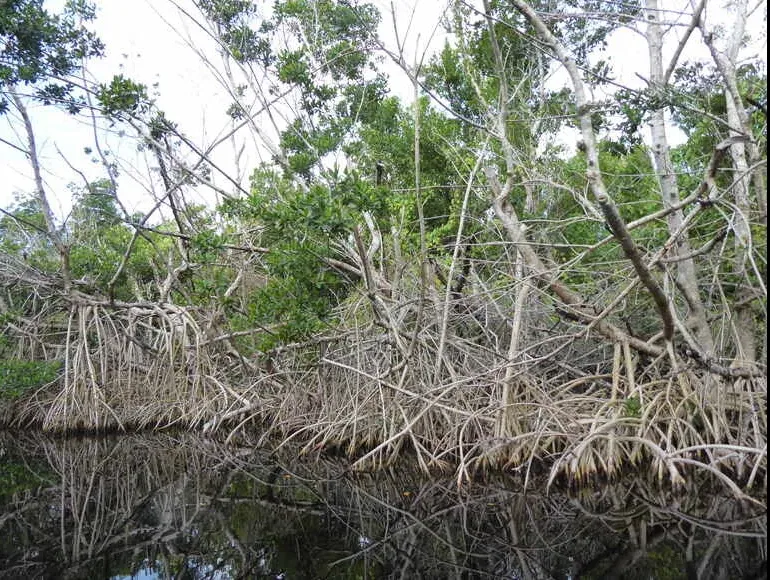
Hypercapnic Hypoxia Mangroves Causes
The biggest causes of hypercapnic hypoxia are climate change and global warming. As CO₂ levels in the atmosphere rise, more of it dissolves into oceans and coastal waters. At the same time, warmer water holds less oxygen. During low tide, water circulation slows down, which further reduces oxygen levels. These combined effects make mangrove ecosystems highly vulnerable.
Effects on Marine Life and People
This condition has serious impacts on biodiversity. Mangroves act as nursery grounds for many fish species, but low oxygen levels reduce their survival rate. Fish populations may decline, and the balance of species can change. Smaller or more tolerant species may survive, while larger ones disappear.
This also affects people who depend on fishing for their income. Reduced fish stocks can harm local economies and threaten food security in coastal communities.
Why Mangroves Are Important
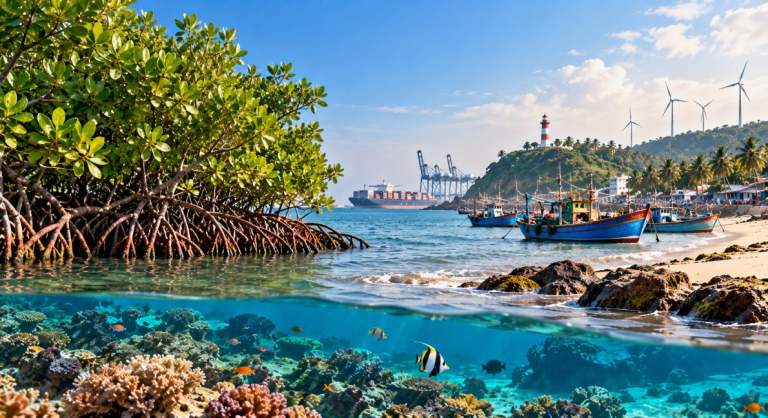
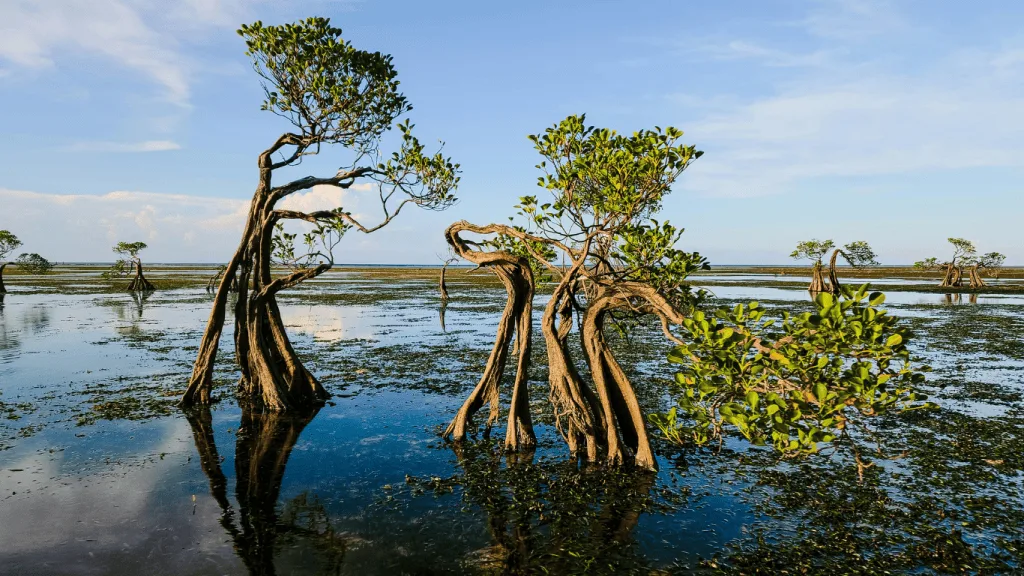
Mangroves are unique ecosystems found in coastal areas with salty or mixed water. They protect shorelines from erosion and storms. Their roots also provide shelter and breeding grounds for many marine animals. These ecosystems are highly productive and support both marine and land life.
Protecting mangroves is very important because they play a key role in maintaining ecological balance. With growing climate threats, the risk of hypercapnic hypoxia makes conservation efforts even more urgent.