


Deep Mantle Ocean Discovery: Hidden Water Beneath Earth

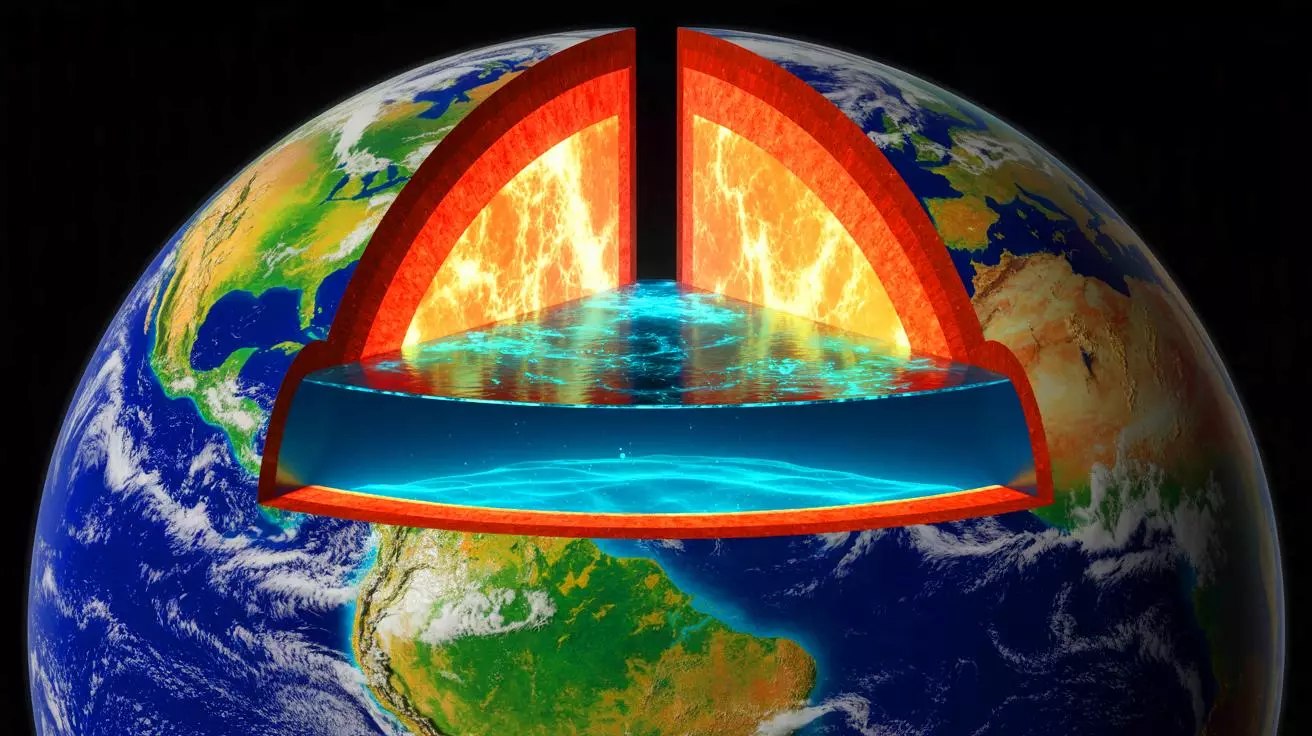
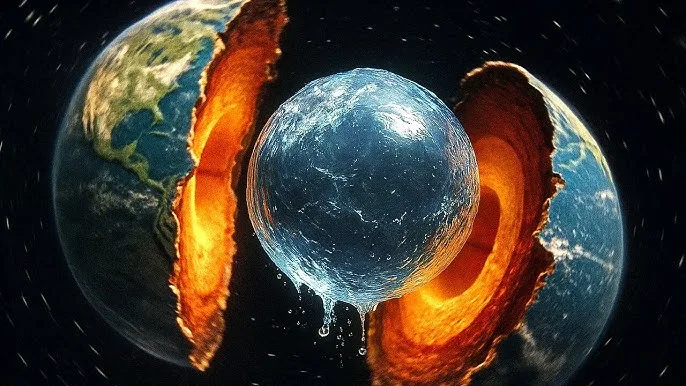
Scientists have uncovered an amazing finding through the Deep Mantle Ocean Discovery a huge water reservoir nearly 700 kilometres below the Earth’s surface. This hidden water may hold more water than all the oceans combined. However, it is not a flowing ocean but water stored inside minerals deep in the Earth’s mantle. This discovery is changing how scientists understand Earth’s structure and the origin of water.
Thank you for reading this post, don't forget to subscribe!Location of Deep Mantle Ocean Discovery
The Deep Mantle Ocean Discovery is located in a layer called the transition zone, which lies between the Earth’s crust and deeper mantle. In this region, water is not in liquid form. Instead, it is trapped inside a mineral called ringwoodite. This mineral forms under extreme heat and pressure and can store large amounts of water in its structure.
How Scientists Found It
Scientists cannot directly reach such deep parts of the Earth. So, the Deep Mantle Ocean Discovery was made using indirect methods like seismic wave analysis. When earthquakes occur, the waves travel through the Earth. These waves slow down in areas that contain water, helping scientists detect hidden water zones. Studies of ringwoodite samples brought up by volcanic activity also confirmed the presence of water.
What It Means for Earth’s Water Origin
The Deep Mantle Ocean Discovery challenges the old idea that Earth’s water came mainly from comets. Instead, it suggests that water has been inside the Earth since its formation. Over time, this water may have moved to the surface through volcanic activity, helping form oceans while keeping Earth’s water balance stable.
Importance for Earth Science
The Deep Mantle Ocean Discovery is very important for understanding Earth’s deep water cycle and internal processes. It helps scientists learn more about tectonic movements, volcanic activity, and even climate stability. This discovery also shows how Earth’s interior plays a big role in shaping conditions on the surface.