India Russia RELOS Pact Boosts Defence Cooperation

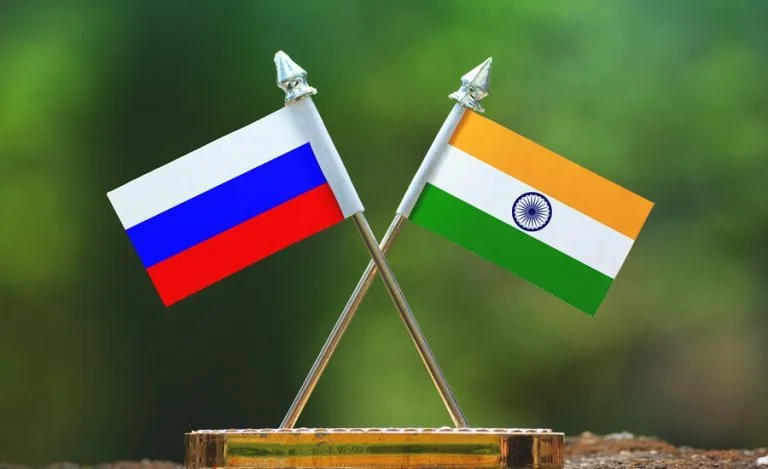
India Russia RELOS Pact marks a major step in defence ties between India and Russia. Both countries have now operationalised the Reciprocal Exchange of Logistics Agreement, allowing access to each other’s military bases, ports and air facilities during both war and peace.
Thank you for reading this post, don't forget to subscribe!India Russia RELOS Pact: What It Provides
Under the agreement, both nations can deploy up to 3,000 military personnel in each other’s territory at a time. It also allows up to five warships and ten military aircraft to operate simultaneously. This makes joint exercises, training, and long-distance missions easier and faster.
Logistics Support and Strategic Reach
The India Russia RELOS Pact provides key support like refuelling, repairs, maintenance, and supply of spare parts. This reduces travel time and operational costs. The agreement also allows payments through exchange of goods and services instead of direct money.
For India, this opens access to important Russian facilities, including those in the Arctic region. For Russia, it strengthens logistics support linked to the Indian Ocean, improving its regional reach.
Why India Russia RELOS Pact Matters
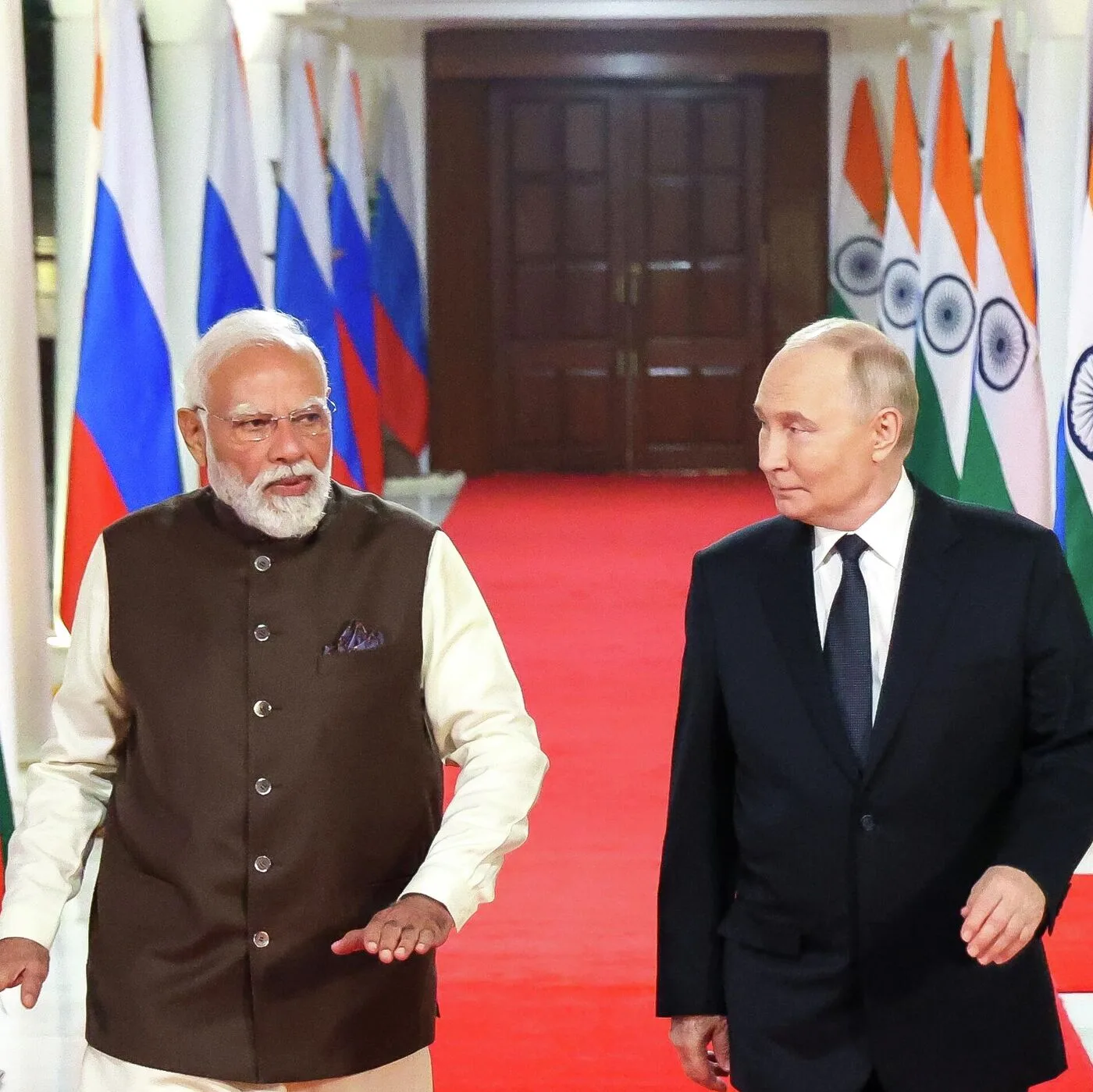
The India Russia RELOS Pact comes at a time when India is expanding its naval power and global reach. It shows the strong defence relationship between the two countries, with Russia being a major military supplier to India.
At the same time, India continues its strategy of working with multiple global powers. It already has a similar agreement with the United States called LEMOA, but RELOS offers broader operational flexibility in some areas.
Strategic and Geopolitical Importance
The India Russia RELOS Pact improves the ability of both nations to operate far from their own borders. It supports India’s interest in new shipping routes, energy security, and connectivity with Eurasia. For Russia, it helps expand its presence in the Indo-Pacific region.
The agreement is not about permanent deployment but about improving readiness, flexibility, and cooperation in a changing global security environment.